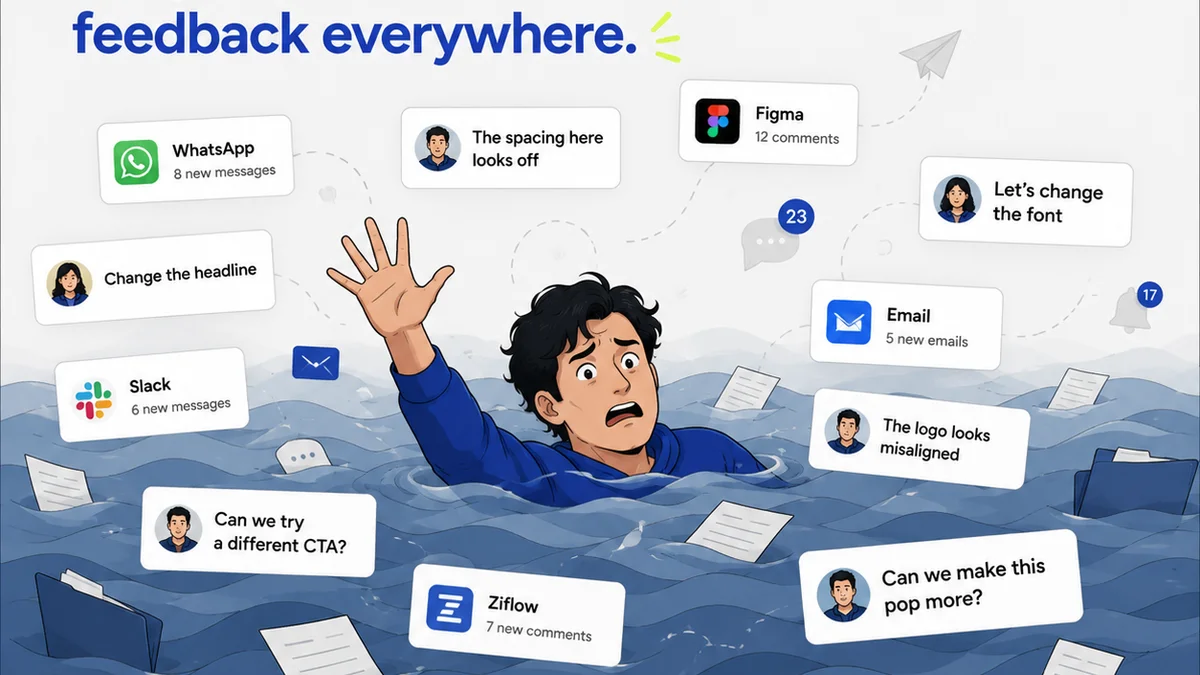
You think client onboarding is just about signing contracts and collecting initial payments. That's the easy part. The real cost, the one that eats into your agency’s profitability and strains your resources, is hidden in plain sight. It’s the time, the effort, and the potential for miscommunication that drains your team and impacts your bottom line. For US businesses in the retail sector, this is especially critical.
The hard truth? Inefficient client onboarding is a silent killer of agency growth. It’s not just about the initial setup; it’s about setting the stage for a successful, profitable, and long-term client relationship. Get it wrong, and you’re already behind.
1. The True Cost of Time Investment
Every hour your team spends wrestling with a clunky onboarding process is an hour they aren't spending on billable work, strategic planning, or client retention. For retail clients, who often have complex supply chains, extensive product catalogs, and multi-channel marketing needs, onboarding can be particularly time-consuming.
Discovery and Information Gathering
This is where it starts. Gathering brand guidelines, understanding target demographics, accessing existing assets, and mapping out communication channels can feel like pulling teeth.
- Brand guides: Are they up-to-date? Accessible? Comprehensive?
- Product information: SKUs, pricing, descriptions, imagery – is it all organized?
- Customer data: Access to analytics, CRM, and past campaign performance.
- Stakeholder identification: Who has final say? Who provides input?
- Existing assets: Logos, fonts, past campaign materials, website access.
Each piece of missing information requires follow-up, slowing down the entire project kickoff. This isn't just a one-time event; it’s a recurring cost for every new retail client you take on.
Technical Setup and Integration
Retail clients often require integration with various platforms: e-commerce sites, marketing automation tools, social media management software, and sometimes even inventory management systems. This setup is rarely plug-and-play.
- Website access and permissions
- E-commerce platform integration (Shopify, WooCommerce, Magento)
- Marketing automation tools (Klaviyo, Mailchimp)
- Social media scheduling tools
- Analytics platforms (Google Analytics, Adobe Analytics)
Each integration requires testing, troubleshooting, and often, back-and-forth with the client's IT or marketing operations team. This consumes valuable developer and project management time that isn't always factored into your initial project quotes.
2. The Risk of Miscommunication and Scope Creep
When onboarding is disorganized, so is communication. This opens the door to misunderstandings about project scope, deliverables, and expectations. For retail, where campaigns can be seasonal and highly reactive to market trends, clear initial alignment is paramount.
Unclear Expectations
Without a structured process, clients might assume deliverables or timelines that weren't explicitly agreed upon. This is often compounded by a lack of clarity on who is responsible for what.
For example, a retail client might expect you to handle all their social media content creation, posting, and community management, when your agreement only covered content strategy and design.
Scope Creep from Day One
Poorly defined initial scope during onboarding leads directly to scope creep later. This means extra work for your team, often without additional compensation, eroding your project margins.
- Requests for assets not initially discussed
- Expectations for reporting beyond the agreed scope
- Unforeseen revision rounds due to initial misunderstandings
This is particularly damaging in the fast-paced retail environment where quick pivots are common, but unmanaged, they become costly.
3. The Cost of Internal Inefficiency
Beyond direct client-facing time, inefficient onboarding drains internal resources. Your project managers, account managers, and even your creative teams bear the brunt of a broken process.
Team Burnout and Frustration
Project managers spend hours chasing down information, clarifying instructions, and redoing work due to initial onboarding errors. This leads to burnout and decreased morale.
Creative teams get frustrated when they receive conflicting feedback or discover key brand elements were missed during the initial intake.
Wasted Resources
Onboarding isn't just about the new client; it's about setting up the internal systems to support them. This includes setting up project management software, communication channels, and internal documentation.
- Time spent creating client-specific project templates
- Effort to re-explain brand context to different team members
- Hours lost in internal meetings trying to align on client needs
This overhead is often absorbed, not billed, chipping away at your agency’s profitability.
4. The Impact on Client Relationships
A difficult onboarding experience sets a negative tone for the entire client relationship. It signals a lack of organization and professionalism, which can be a deal-breaker for discerning retail clients.
First Impressions Matter
Your onboarding process is often the first real test of your agency’s capabilities. A smooth, efficient process builds confidence. A chaotic one plants seeds of doubt.
Retail clients, often under pressure to perform and meet sales targets, need partners who can hit the ground running. Delays and confusion at the start can lead to early dissatisfaction.
Long-Term Profitability
Clients who have a poor onboarding experience are less likely to renew contracts, refer new business, or be open to expanding services. The initial cost of a bad onboarding is amplified over the lifetime value of that client.
- Increased client churn
- Negative word-of-mouth
- Reduced opportunities for upsells and cross-sells
This directly impacts your agency's revenue and growth trajectory.
Where Revue Fits In
Streamlining client onboarding and ongoing feedback is precisely what Revue is built for. It’s not just about managing revisions; it’s about creating a single source of truth from day one.
Imagine this: Instead of scattered email threads and endless document versions, all client assets, feedback, and approvals live in one centralized hub. During onboarding, you can configure projects with specific workflows, clearly defining review stages and approval sign-offs.
This means:
- Clearer Communication: All feedback is contextualized directly on the asset, eliminating ambiguity.
- Visible Workflows: Clients and your team see exactly where a project stands, reducing the need for constant status updates.
- Streamlined Approvals: Digital sign-offs replace manual tracking, speeding up decision-making.
- Reduced Rework: Early, clear feedback prevents costly misunderstandings and revisions down the line.
By centralizing the feedback loop, Revue helps you mitigate the hidden costs of onboarding and ensures your agency and your retail clients are aligned from the start, setting the stage for efficient, profitable collaborations.
Final Thought
What’s the real cost of doing business the old way? It’s more than just wasted hours; it’s missed opportunities, strained relationships, and eroded profits. For US retail businesses and the agencies that serve them, optimizing client onboarding isn't a luxury—it's a fundamental requirement for sustainable success.
Frequently asked questions
What are the main hidden costs associated with client onboarding for retail agencies?
The primary hidden costs include excessive time investment from your team in discovery and technical setup, increased risk of miscommunication leading to scope creep, internal inefficiencies and team burnout, and negative impacts on long-term client relationships and profitability due to a poor initial experience.
How does the complexity of retail clients specifically increase onboarding costs?
Retail clients often have intricate supply chains, extensive product catalogs, multi-channel marketing needs, and require integration with various e-commerce and marketing platforms. Gathering all this information and setting up these connections requires significant time and technical expertise, which can escalate onboarding costs if not managed efficiently.
How can a structured onboarding process mitigate scope creep?
A structured process ensures clear definition of project scope, deliverables, and responsibilities from the outset. By documenting these agreements and having clients formally acknowledge them during onboarding, it becomes easier to identify and manage any requests that fall outside the agreed-upon scope, preventing uncompensated work.
What role does technology play in reducing client onboarding costs?
Technology, like centralized feedback and project management platforms (e.g., Revue), plays a crucial role by streamlining information gathering, centralizing communication, automating approval workflows, and providing clear visibility into project status. This reduces manual effort, minimizes errors, and speeds up the entire onboarding and project execution lifecycle.