You think government client onboarding is just about NDAs, procurement forms, and a kickoff meeting. None of that is wrong. But it’s incomplete.
The hard truth? Government onboarding is a high-stakes exercise in navigating bureaucracy, building trust across complex hierarchies, and setting crystal-clear expectations from day one. Get it wrong, and you’re not just risking a project; you’re risking future opportunities with a critical sector.
1. Understanding the Unique Government Landscape
Government agencies aren't like private companies. They operate under intense public scrutiny, strict regulations, and often have much longer decision-making cycles. Your standard agency onboarding playbook needs a serious rewrite.
Procurement and Contracting Nuances
Forget simple SOWs. Government contracts are often the result of lengthy, competitive bidding processes. You’ve already won a battle just by getting to this stage.
- Understand your contract deeply. Every clause matters.
- Know the reporting requirements. They’re often extensive.
- Identify key stakeholders within the contracting office.
This isn't just paperwork; it's the foundation of your engagement.
Stakeholder Complexity
A single government project can involve dozens, if not hundreds, of stakeholders. You’ll have contracting officers, program managers, end-users, legal counsel, oversight committees, and potentially external auditors. Each has their own priorities and communication preferences.
Your onboarding must map these relationships. Who needs to be informed? Who needs to approve? Who is the ultimate decision-maker? Don't assume alignment.
Public Accountability and Transparency
Every dollar spent is accountable to the public. This means documentation, clear communication, and demonstrable value are paramount. Your onboarding process needs to reflect this from the start.
It’s not just about delivering a service; it’s about proving responsible stewardship of public funds.
2. Pre-Onboarding: Laying the Groundwork
Effective onboarding doesn't start after the contract is signed. It begins the moment you realize there's a potential opportunity. Due diligence here prevents headaches later.
Research the Agency’s Mission and Goals
Understand what drives the agency. What are their strategic objectives? What problems are they trying to solve with this contract? Tailor your approach and communication to align with these overarching goals.
Use public information: agency websites, annual reports, congressional testimony, and public budget documents. Show you’ve done your homework.
Identify Key Personnel and Decision-Makers
Even before the contract is finalized, try to identify the individuals who will be involved. Understand their roles and reporting structures. This helps you anticipate communication flows and potential bottlenecks.
Clarify Contractual Obligations and Deliverables
This sounds obvious, but misunderstandings here are common. Before the official kickoff, ensure your team and the client’s key personnel have a shared, detailed understanding of what is expected, when, and by whom.
This includes scope, timelines, performance metrics, and reporting formats. Leave no room for ambiguity.
3. The Formal Onboarding Process
This is where you transition from proposal to partnership. Structure and clarity are your best allies.
The Kickoff Meeting: More Than Just Introductions
This is your critical first impression. It needs to be meticulously planned and executed. It’s not just about introductions; it’s about setting the operational rhythm for the entire engagement.
- Agenda: Distribute a detailed agenda in advance.
- Attendees: Ensure all key stakeholders from both sides are present or represented.
- Objectives: Clearly state the meeting's goals – align on project scope, communication protocols, key milestones, and success metrics.
- Roles & Responsibilities: Explicitly define who is responsible for what.
- Communication Plan: Outline how, when, and to whom updates will be provided. Specify preferred tools and frequency.
- Risk & Issue Management: Discuss how potential problems will be identified and resolved.
- Next Steps: Define immediate actions and assign owners.
Document everything discussed and distribute minutes promptly.
Establishing Communication Protocols
Government communication often requires specific channels and approvals. Define these early.
Will you use email, secure messaging platforms, or a dedicated project management tool? Who needs to be CC'd on important communications? What is the expected response time for different types of queries?
Document these protocols and ensure they are agreed upon by all relevant parties. This prevents miscommunication and delays.
Setting Up Reporting and Documentation Frameworks
Government contracts demand rigorous reporting. Your onboarding should establish the framework for this from day one.
- What reports are required?
- What is the frequency?
- What data needs to be included?
- What format is expected?
- Where will these reports be submitted?
Use this as an opportunity to streamline. Can technology help automate parts of this? Can templates be provided to simplify the process for the client?
Defining Success Metrics and KPIs
How will success be measured? This needs to be quantifiable and directly tied to the contract's objectives.
Ensure these metrics are realistic, measurable, achievable, relevant, and time-bound (SMART). Agree on how these will be tracked and reported. This provides objective proof of value.
4. Post-Onboarding: Maintaining Momentum
Onboarding isn't a one-time event; it's the start of an ongoing relationship. Continuous effort is required.
Regular Cadence Meetings
Schedule regular check-ins beyond the formal reporting. These could be weekly syncs, monthly reviews, or quarterly strategy sessions, depending on the project's scale and complexity.
Use these meetings to proactively address challenges, discuss progress, and ensure continued alignment. Don't wait for problems to escalate.
Proactive Risk Management
Identify potential risks early and often. This includes scope creep, budget overruns, resource constraints, or changes in agency priorities. Develop mitigation strategies collaboratively.
A government client will appreciate your foresight and proactive approach to problem-solving.
Feedback Loops
Establish formal and informal channels for feedback. What's working well? What could be improved? This applies to both your performance and the client's engagement.
Encourage open and honest communication. This builds trust and allows for course correction.
5. Where Revue Fits In
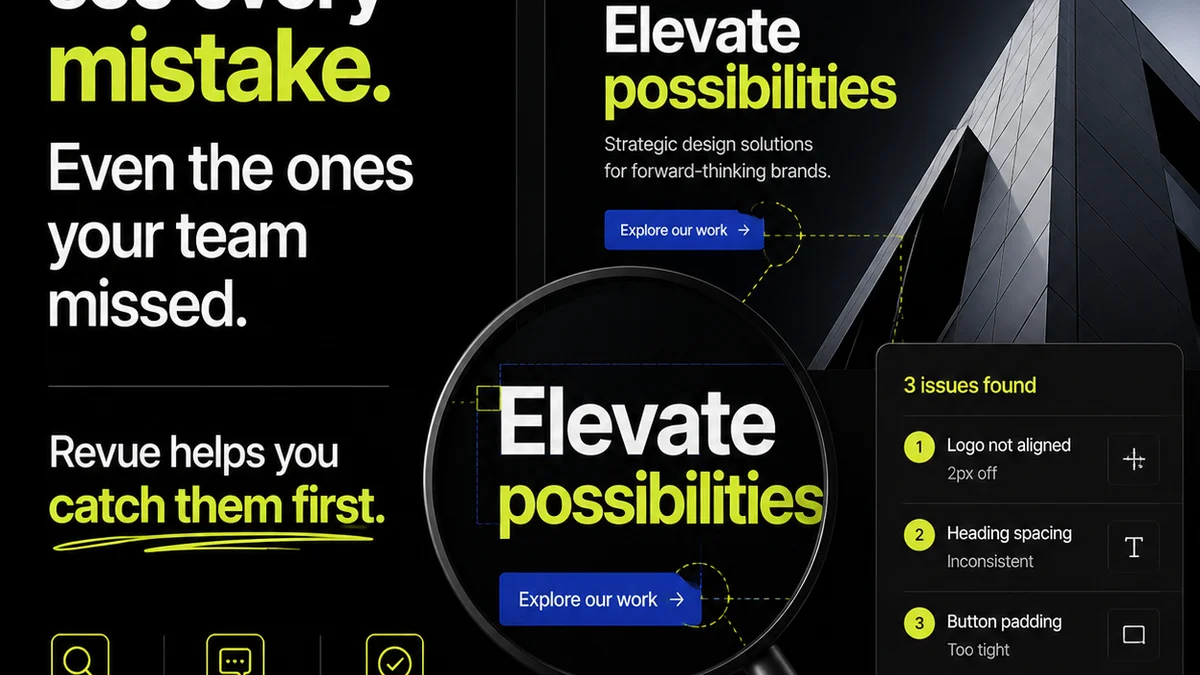
Managing the complexities of government client work—especially feedback, revisions, and approvals—demands robust tools. This is where a centralized platform like Revue becomes invaluable.
For government projects, meticulous record-keeping and clear audit trails are non-negotiable. Revue provides a single source of truth for all client feedback, stakeholder comments, and revision histories. This eliminates the chaos of scattered email threads and disconnected documents.
- Centralized Feedback: All comments, markups, and approvals live in one place, accessible to authorized team members and clients.
- Version Control: Track every revision, ensuring everyone is working from the latest approved version, crucial for compliance.
- Clear Approval Workflows: Define and manage multi-stage approval processes, providing visibility and accountability.
- Audit Trails: Generate comprehensive logs of feedback and approvals, essential for reporting and demonstrating due diligence to government oversight.
- Streamlined Communication: Reduce reliance on lengthy email chains and facilitate faster, more focused decision-making.
By bringing structure and transparency to the creative review process, Revue helps agencies meet the stringent demands of government clients, ensuring projects stay on track and on budget.
6. Common Pitfalls to Avoid
Even with the best intentions, government onboarding can go sideways. Awareness is the first step to prevention.
Assuming Familiarity with Agency Processes
Every agency, even within government, has its own internal processes, acronyms, and culture. Don't assume they operate like any other client. Ask questions. Listen more than you talk.
Lack of Clear Point of Contact
Government projects can stall if there isn't a clear, empowered point of contact on the client side. Work with your contracting officer to identify this person early. If multiple people are involved, clarify the primary decision-maker.
Ignoring the Small Stuff
In government, the “small stuff”—like incorrect form numbers, outdated contact information, or missed minor reporting deadlines—can sometimes snowball into larger issues due to the strict regulatory environment. Pay attention to detail.
Failing to Document Everything
If it wasn't documented, it didn't happen. This is especially true in government contracts. Every agreement, every change, every decision needs a paper (or digital) trail.
Final Thought
Government client onboarding is a marathon, not a sprint. It requires patience, meticulous planning, and a deep understanding of bureaucratic realities. By prioritizing clarity, communication, and documentation from the outset, you build a foundation for a successful, long-term partnership that serves the public good.
Are you prepared to navigate the unique challenges and opportunities of government contracts?
Frequently asked questions
What's the biggest difference between onboarding a government client and a private sector client?
The primary differences lie in the complexity of procurement processes, the extensive stakeholder networks, and the heightened need for transparency and accountability due to public scrutiny and strict regulations. Government onboarding requires a deeper dive into contractual obligations and a more structured approach to communication and documentation.
How can an agency ensure clear communication with a government client?
Establish clear communication protocols early. Define preferred channels, response times, and key points of contact. Document all significant communications and decisions. Regular cadence meetings and transparent reporting are crucial for maintaining alignment and trust.
Why is documentation so critical in government client onboarding?
Government contracts are subject to strict oversight and auditing. Comprehensive documentation provides an essential audit trail, proving compliance, tracking progress, and resolving disputes. Every agreement, change, and decision needs to be recorded to ensure accountability and transparency.
What role does a project management tool play in government onboarding?
Tools like Revue centralize feedback, manage revisions, and provide clear approval workflows, offering a single source of truth. This is vital for government projects where meticulous record-keeping, version control, and audit trails are non-negotiable, helping to streamline processes and ensure compliance.