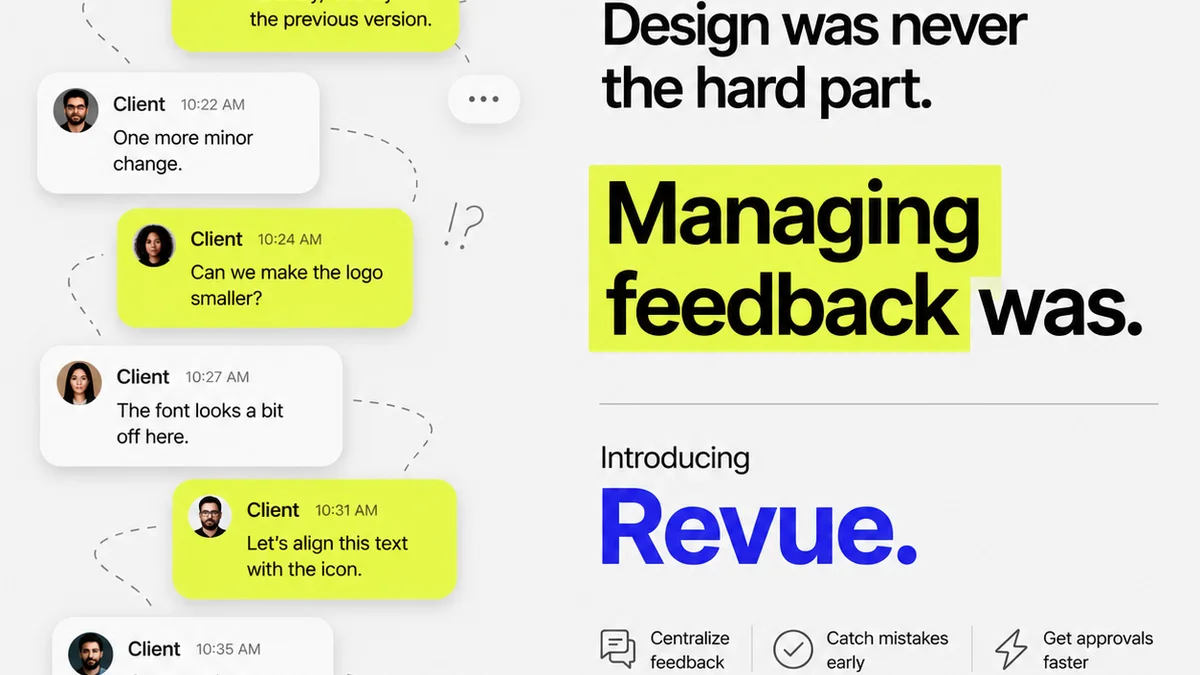
Everyone thinks content approval is simple: the client reviews the work, gives a thumbs-up, and you move on. Easy, right?
Wrong.
While a quick sign-off is the ideal, the reality of content approval is far more complex. It’s a critical juncture where miscommunication can derail projects, inflate budgets, and damage client relationships. The real challenge isn't getting approval; it's getting the *right* approval, efficiently and effectively.
This means moving beyond a passive waiting game to actively managing the approval process. It requires clear communication, defined expectations, and robust systems.
1. Define "Approved" Clearly
What does “approved” actually mean in your workflow? It’s not just a verbal “looks good.” It needs to be a defined state.
Is it a formal sign-off via email? A checked box in a project management tool? A specific person’s approval?
Assumptions here are deadly. A client might think “approved” means “minor tweaks are still okay,” while your team hears “locked and ready for launch.”
The Scope Creep Culprit
Vague approval definitions are a direct highway to scope creep. Without a clear endpoint, clients can (and often will) continue to request changes long after the intended approval date.
- Client asks for a small copy edit.
- Then a color tweak.
- Then a new image.
- Suddenly, you’re doing work that was never scoped or budgeted for.
This isn’t malicious; it’s a consequence of unclear boundaries. Setting expectations upfront about what constitutes final approval prevents this.
2. Establish a Clear Review and Feedback Loop
The approval process isn't a black box. It's a series of defined steps that everyone involved understands.
Who reviews the content? What are they looking for? How should they provide feedback? When is the deadline for feedback?
Treat feedback like a structured input, not a random output. This structured approach ensures that feedback is relevant, actionable, and timely.
The Right People, The Right Time
Ensure that the right stakeholders are involved at each stage. Sending a draft to ten people when only two have the authority to approve leads to conflicting feedback and delays.
- Identify the primary decision-maker for approval.
- Determine who needs to provide input *before* final approval.
- Set clear deadlines for feedback submission.
This prevents bottlenecks and ensures that feedback is consolidated and considered efficiently.
Actionable Feedback is Key
Vague feedback is useless. “Make it pop” or “I don’t like it” doesn’t tell you what to do.
Train your clients (and your internal team) on how to provide constructive, specific feedback. This often means guiding them toward commenting on:
- Clarity of message
- Alignment with objectives
- Technical accuracy
- Brand consistency
This is where a tool that allows for contextual comments, like marking up a specific paragraph or element, becomes invaluable.
3. Standardize Your Approval Cadence
How often do you seek approval? Is it after every single draft, or only at major milestones?
Frequent, small approvals can lead to a death by a thousand cuts. Infrequent, large approvals increase the risk of major rework if something is missed.
Find the sweet spot for your projects. This usually involves a few key checkpoints:
- Concept approval
- Draft approval
- Final pre-launch approval
Each stage should have a clear deliverable and a defined approval gate.
The Cost of Delays
Every day a project sits in limbo waiting for approval is a day lost. This impacts your team’s capacity, your project timelines, and potentially your profitability.
Implement clear turnaround times for client reviews. If a client doesn't respond within X days, what happens? Do you move forward based on the last approved version? Do you charge for the delay?
Having these policies in place, and communicating them upfront, manages expectations and encourages prompt action.
4. Centralize Communication and Feedback
Email chains, Slack messages, sticky notes, scribbled comments on printouts – this is the chaos that kills efficiency.
When feedback is scattered across multiple platforms, it’s easy for crucial comments to get lost. This leads to missed revisions, duplicated effort, and frustration.
A centralized system for feedback and approvals is non-negotiable for modern creative workflows. It provides a single source of truth.
The Single Source of Truth
Imagine a platform where all feedback is logged, all versions are tracked, and the approval status is crystal clear. This eliminates guesswork and frantic searching through old emails.
This is particularly important for visual content where context is everything. Being able to comment directly on an image or video frame, and link that comment to a specific version, is a game-changer.
5. Document Everything
Verbal approvals are risky. Email confirmations can be misinterpreted. Written documentation is your safety net.
Every approval, every revision request, every sign-off should be documented. This protects both your agency and your client.
A clear audit trail is essential for resolving disputes. If a client later claims a change was never approved, you have the records to prove otherwise.
Beyond Disputes
Documentation isn't just for conflict resolution. It’s also a powerful tool for learning and improvement. Analyzing past approvals can reveal patterns in client feedback or common sticking points.
This data can inform future project planning, client onboarding, and even the creative process itself.
6. Automate Where Possible
Manual tracking of approvals, version control, and notifications is time-consuming and error-prone.
Leverage technology to automate repetitive tasks. This frees up your team to focus on creative work rather than administrative overhead.
Automated reminders for pending approvals, version history tracking, and clear status indicators can significantly streamline the process.
The Efficiency Multiplier
Automation isn't about replacing human judgment; it's about augmenting it. By automating the mundane, you empower your team to handle exceptions and complexities.
Think about:
- Automated notifications when new feedback is ready.
- Automated status updates based on reviewer actions.
- Automated versioning to prevent confusion.
These small efficiencies add up, creating a much smoother overall experience.
Where Revue Fits In
This is precisely why Revue was built. We understand the operational drag that inefficient content approval processes create.
Revue acts as your central hub for all creative assets and client feedback. Instead of juggling emails and chat threads, you have a single platform:
- Centralized Feedback: Clients and stakeholders can leave contextual comments directly on designs, videos, or documents. No more hunting through endless email chains.
- Revision Visibility: See every version of a creative asset, alongside its associated feedback and approval status. Understand the evolution of the work at a glance.
- Streamlined Approvals: Define clear approval workflows and get formal sign-offs within the platform, creating an undeniable audit trail.
- Quality Checks: Ensure that all feedback has been addressed and revisions meet project requirements before final delivery.
By bringing clarity and structure to the approval process, Revue helps agencies and in-house teams deliver better work, faster, with fewer headaches.
Final Thought
Content approval isn't a passive gate; it's an active, collaborative process that defines project success. Are you managing it, or just waiting for it to happen?
Frequently asked questions
What is the biggest mistake agencies make with content approval?
The biggest mistake is treating content approval as a passive step rather than an active process. This often stems from vague definitions of what 'approved' means, leading to scope creep, miscommunication, and delays.
How can I ensure feedback is actionable?
Encourage clients and stakeholders to provide specific, constructive feedback tied to project objectives. Instead of 'I don't like it,' prompt for 'This section isn't clear about X' or 'Can we adjust the color to better match Y?' Tools that allow contextual comments are also key.
Why is documenting approvals so important?
Documentation creates an audit trail, protecting both the agency and the client. It's crucial for resolving disputes if a disagreement arises about what was agreed upon. It also serves as a record for future reference and learning.
How often should I seek client approval?
The frequency depends on the project, but aim for key milestones rather than every minor iteration. Common checkpoints include concept approval, draft approval, and final pre-launch approval. Too many small approvals can slow things down; too few increase the risk of major rework.