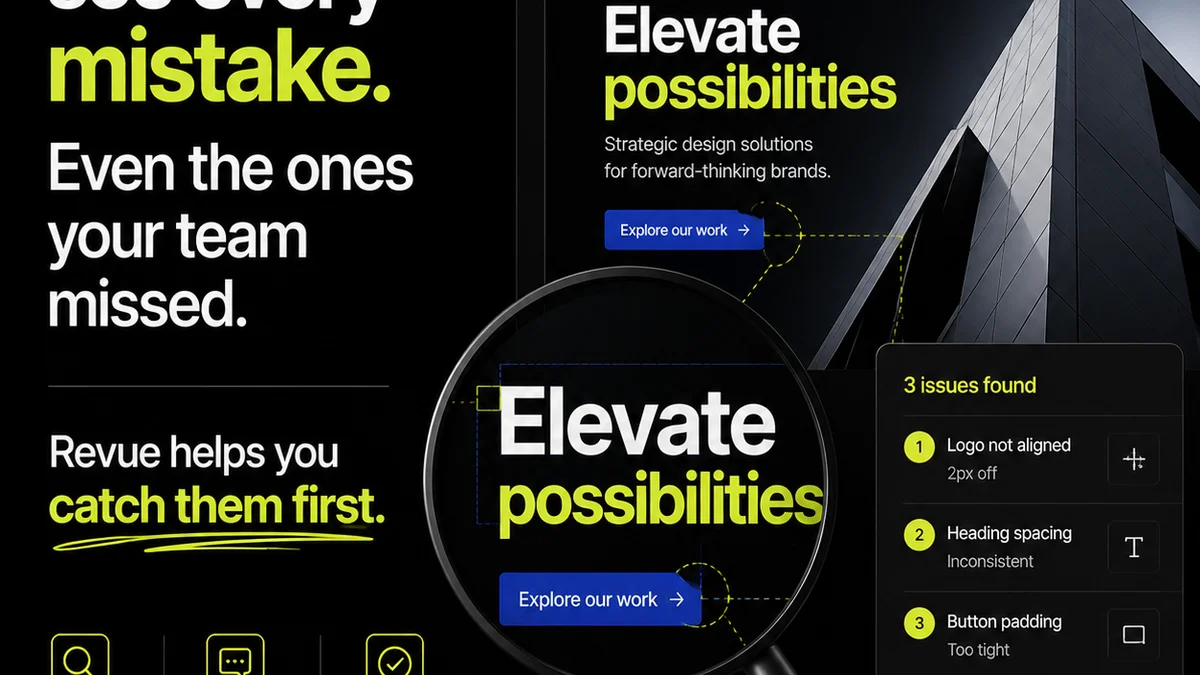
Everyone talks about content approval. They say you need checklists, clear briefs, and sign-off forms. None of that is wrong. But it’s incomplete.
The hard truth is, most creative teams treat content approval as a final gate, a checkbox to tick before launch. This view is fundamentally broken. It ignores the messy reality of creative work and client collaboration.
True content approval isn’t a single event; it’s an integrated process. It’s about building alignment from the start, not scrambling for a signature at the end.
1. Shift from Gatekeeper to Collaborator
The biggest mistake? Treating approval as a final hurdle. Clients become adversaries, and your team feels the pressure mount.
Instead, frame the entire project as a collaborative journey. Approval points aren’t roadblocks; they’re milestones.
Early Alignment is Key
Start with a crystal-clear brief. This isn't just about scope; it's about understanding the client's core objectives, target audience, and desired outcomes. A well-defined brief acts as your North Star.
During concepting, present not just final designs, but also the rationale behind them. Explain *why* these directions meet the brief. This educates the client and invites constructive dialogue.
Iterative Feedback, Not Final Sign-off
The goal isn’t a perfect first draft that magically gets approved. It’s a series of iterations where feedback is welcomed and integrated.
- Break down the project into manageable phases.
- Schedule regular, focused check-ins.
- Encourage specific, actionable feedback.
This approach turns clients into partners, not critics.
2. Define Clear Roles and Responsibilities
Who has the final say? Who provides input? Ambiguity here breeds confusion and delays.
Before any work begins, establish:
- The Primary Decision Maker: The single person with final sign-off authority.
- Key Stakeholders: Those who need to be consulted or informed.
- Feedback Channels: Where and how feedback should be submitted.
- Turnaround Times: Realistic expectations for both sides.
This clarity prevents conflicting feedback from different departments or individuals within the client’s organization.
It also empowers your team to know who to chase for input, rather than waiting indefinitely.
3. Standardize Your Feedback Process
Ad-hoc feedback via email chains, Slack messages, or random phone calls is a disaster waiting to happen. It’s impossible to track, easy to lose, and often vague.
Implement a standardized system. This could be:
- A dedicated project management tool.
- A client feedback platform (like Revue).
- A structured document with specific sections for feedback.
Whatever the method, it must allow for:
- Centralized storage of all feedback.
- Clear annotation and context for each comment.
- A history of revisions and approvals.
- Status tracking for each piece of feedback.
This reduces misinterpretation and ensures no feedback gets lost in the ether.
4. Manage Expectations Around Revisions
Clients often underestimate the effort involved in revisions. They see a small change, but don’t grasp the ripple effect.
Your initial scope of work should clearly define:
- The number of revision rounds included.
- What constitutes a
Frequently asked questions
What's the biggest mistake agencies make with content approval?
Treating content approval as a final gate or checkbox, rather than an integrated part of the collaborative process. This often leads to last-minute issues, client frustration, and project delays.
How can I get clearer feedback from clients?
Standardize your feedback process by using a dedicated platform or structured document. Encourage clients to provide specific, actionable comments tied to project goals, rather than vague subjective opinions.
What should be included in a content approval brief?
A comprehensive brief should cover project objectives, target audience, key messaging, desired outcomes, scope of work, deliverables, and clear definitions of roles and responsibilities for feedback and approval.
How do I handle scope creep during revisions?
Clearly define the number of revision rounds and what constitutes a 'revision' versus a 'new request' in your initial scope of work. Use a structured process to document and approve any changes that fall outside the original scope, often involving additional fees.