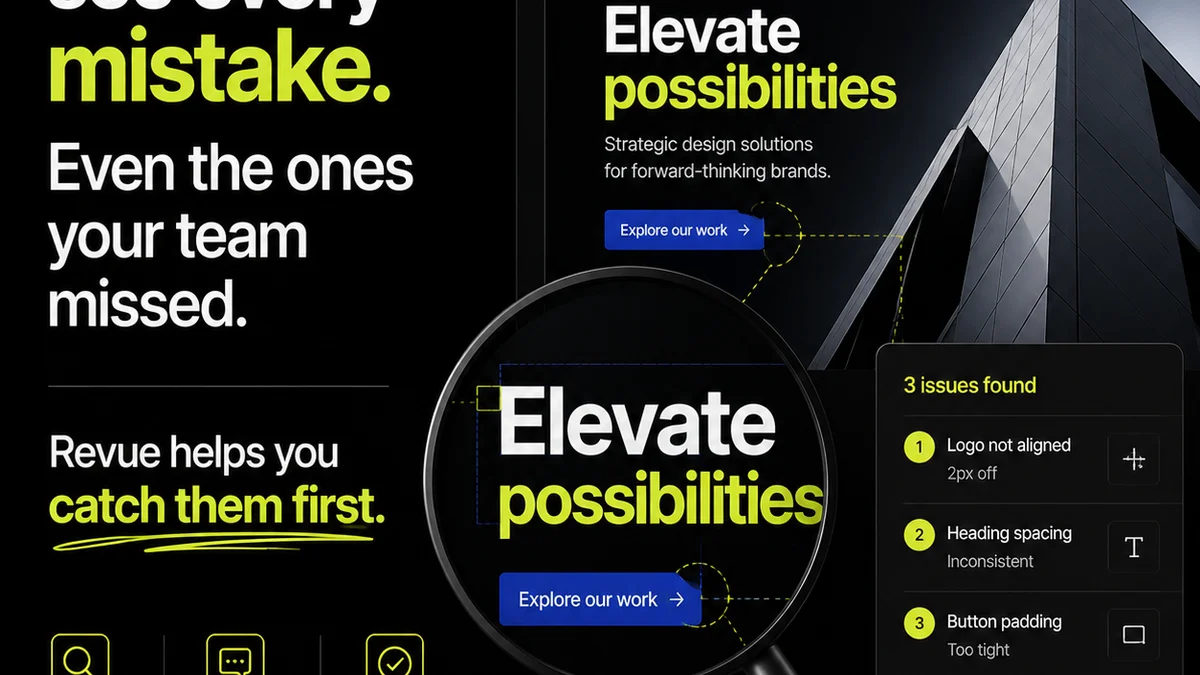
Everyone thinks content approval is the last step. The client signs off, the work goes live. Done. Simple. None of that is wrong. But it’s incomplete.
The real hard truth? Approving content isn’t just about getting a signature. It’s the final, crucial quality gate before your carefully crafted work is unleashed on the world. And if that gate is flimsy, you’re inviting chaos.
A robust content approval checklist isn’t a bureaucratic burden; it’s your shield against errors, inconsistencies, and costly rework. It’s the difference between a polished, on-brand launch and a public facepalm.
1. The Assumption: Approval is Just a Sign-Off
The common assumption is that the approval process is a simple yes/no. The client looks, likes, and signs. Easy.
This view treats approval as a passive event, a rubber stamp at the end of the line.
But it’s an active, critical phase of quality assurance.
Think of it like a pilot’s pre-flight checklist. It’s not just a formality; it’s a systematic review of essential systems that prevents catastrophic failure.
Your content deserves the same rigor. Without a structured checklist, you’re relying on individual memory and subjective judgment. That’s a recipe for missed details.
2. The Hard Truth: Approval is Quality Control
The real value of content approval lies in its role as a final quality control (QC) checkpoint. It’s the last chance to catch mistakes before they impact your brand, your client’s brand, and your agency’s reputation.
This means approval isn’t just for the client. It’s for your internal team too.
It’s the moment where:
- Technical accuracy is verified.
- Brand voice and tone are confirmed.
- Legal and compliance requirements are met.
- All project requirements have been addressed.
- The work aligns with the original brief and strategy.
Treating approval as mere sign-off means these crucial checks get skipped or rushed. The checklist transforms it into a proactive verification process.
3. Building Your Content Approval Checklist
A good checklist is specific, actionable, and covers all critical bases. It’s not a generic document; it’s tailored to the type of content and the client’s needs. Here’s how to build one:
3.1 Define Content Types and Deliverables
What are you approving? A website page? A social media campaign? A video script? A full brand guideline document?
Each content type has unique requirements.
A website page needs SEO checks, broken link verification, and cross-browser compatibility. A social media post needs character count checks, correct tagging, and platform-specific formatting.
3.2 Identify Key Stakeholders and Roles
Who needs to approve what? This isn’t always a single person.
Typical roles include:
- Creative Lead: Ensures creative vision and brand consistency.
- Copywriter/Editor: Verifies grammar, spelling, and tone.
- Designer: Checks visual elements, layout, and asset usage.
- Developer: Confirms technical implementation and functionality.
- Client Stakeholder(s): Approves strategic alignment and brand messaging.
- Legal/Compliance: Reviews for regulatory adherence.
Clearly define who is responsible for each item on the checklist.
3.3 Core Checklist Categories
Regardless of content type, certain categories are almost always relevant. Structure your checklist around these:
- Strategic Alignment: Does it meet the brief? Does it serve the campaign goals?
- Audience Relevance: Is it tailored to the target audience?
- Brand Consistency: Does it adhere to brand guidelines (voice, tone, visuals)?
- Accuracy & Fact-Checking: Are all claims, data, and names correct?
- Grammar & Spelling: Is it error-free?
- Technical Requirements: (e.g., SEO tags, character limits, file formats, accessibility standards like WCAG)
- Legal & Compliance: (e.g., disclaimers, copyright, privacy policy links)
- User Experience (UX): Is it easy to navigate and understand?
- Call to Action (CTA): Is it clear, compelling, and correctly implemented?
- Cross-Platform/Device Compatibility: (if applicable)
3.4 Customization is Key
Don't just grab a template and run. Every project is different.
Consider:
- The client’s specific industry and regulatory environment.
- The project’s complexity and scope.
- Any unique client requirements or past issues.
For example, a financial services client will have a much more rigorous legal and compliance section than a local bakery.
4. Implementing the Checklist Effectively
A checklist is only as good as its implementation. Here’s how to make it stick:
4.1 Integrate into Workflow Early
Don’t introduce the checklist as an afterthought. Build it into your project kickoff and planning phases.
Discuss it with the client upfront. Explain its purpose: to ensure quality and protect their investment.
4.2 Assign Clear Responsibilities
Who owns each section of the checklist? Who performs the checks? Who gives the final sign-off?
Ambiguity leads to dropped balls.
Use a project management tool to assign tasks and track progress against checklist items.
4.3 Standardize Where Possible
Create master checklists for common content types (e.g., blog posts, landing pages, social ads). Then, customize these masters for specific projects.
This saves time and ensures consistency across your agency.
4.4 Make it Accessible
The checklist needs to be easily accessible to everyone involved. A shared document, a project management tool, or a dedicated platform works best.
Avoid a checklist buried in an email chain or a forgotten folder.
4.5 Train Your Team
Ensure everyone understands the purpose of the checklist and how to use it correctly.
Regular training and refreshers are essential, especially with new hires.
5. Common Pitfalls to Avoid
Even with a checklist, things can go wrong. Watch out for these:
- The “Too Long/Too Short” Checklist: Overly complex checklists overwhelm reviewers. Too simple, and it misses crucial items. Aim for comprehensive but concise.
- Generic Templates: Using a one-size-fits-all approach ignores project-specific needs.
- Lack of Accountability: If no one is clearly responsible for checking items, they won’t get checked.
- Approval Paralysis: The checklist becomes a tool for endless nitpicking rather than constructive quality assurance. Set clear time limits for review.
- Ignoring the Client’s Role: The client must understand their part in the approval process and the checklist’s importance.
- Not Updating the Checklist: As your agency evolves and client needs change, your checklist must too.
Regularly review and update your checklist based on project outcomes and team feedback.
6. Where Revue Fits In
Managing feedback and approvals, especially across multiple stakeholders and revisions, can quickly become a chaotic mess. This is where a tool designed for creative workflows makes a significant difference.
Revue helps centralize all client feedback, making it easy to track comments against specific versions of a creative asset. This ensures that your checklist items aren’t lost in email threads or scattered across different platforms.
When a piece of content is ready for review, you can easily present the latest version within Revue. Stakeholders can add comments directly on the asset, and crucially, all feedback is logged and versioned.
This provides a clear audit trail, essential for fulfilling many checklist items related to tracking changes and ensuring all feedback has been addressed before the final sign-off.
Revision management becomes transparent. You can see exactly what changed between versions, and whether those changes address the requirements outlined in your approval checklist.
This visibility is key to moving beyond the assumption that approval is just a final step. It’s an ongoing, documented process.
7. Beyond the Checklist: A Culture of Quality
A checklist is a powerful tool, but it’s not a magic bullet. It works best when supported by a broader culture of quality within your agency.
This means:
- Encouraging open communication about potential issues.
- Prioritizing thoroughness over speed (within reason).
- Learning from every project, good or bad.
- Empowering team members to raise concerns.
Your checklist should reflect and reinforce these values.
8. Final Thought
Is your content approval process a genuine quality gate, or just a bureaucratic speed bump?
The difference lies in the structure, the clarity, and the commitment to catching errors before they become problems. A well-defined content approval checklist is your best bet for ensuring that.
Frequently asked questions
What is the main purpose of a content approval checklist?
The main purpose of a content approval checklist is to act as a final quality control gate before content is published or delivered. It ensures accuracy, brand consistency, strategic alignment, and adherence to all project requirements, preventing errors and costly rework.
Who should be involved in the content approval process?
The individuals involved depend on the project. Typically, it includes internal team members like creative leads, copywriters, designers, and developers, as well as relevant client stakeholders. Legal or compliance teams may also be involved for specific industries or content types.
How can a checklist be customized for different projects?
Customization involves tailoring the checklist to the specific content type, client industry, and project goals. This means adding or emphasizing sections relevant to unique requirements, such as specific legal disclaimers for financial content or technical SEO checks for website pages.
How does a tool like Revue help with content approval?
Revue centralizes feedback and version history, making it easier to track comments and ensure all checklist items have been addressed. This transparency simplifies the review process, provides an audit trail, and helps manage revisions effectively, moving beyond scattered email feedback.