Everyone thinks content review is about catching typos and fixing grammar. That’s the surface. The real work happens deeper.
Most agencies see review as the final gate before delivery. A necessary evil. A bottleneck.
The hard truth? It’s not a gate. It’s a bridge. And if that bridge is weak, your entire project crumbles.
1. Define 'Done' Before You Start
The vaguest feedback comes from vague briefs. And vague briefs lead to endless review cycles.
Before a single word is written, establish clear objectives for the content. What should it achieve? Who is it for? What action should the reader take?
These aren't just questions for the client. They're internal benchmarks.
Set Measurable Goals
Content isn't done when it's grammatically correct. It's done when it meets its strategic purpose.
- Increase website traffic by X%
- Generate Y leads
- Improve customer understanding of Z feature
- Achieve a specific conversion rate
If you can't measure success, you can't know when you've succeeded. And the client can't either.
Clarify the Audience
Who are you talking to? A technical deep-dive for engineers is different from a high-level overview for executives.
Documenting the target audience upfront prevents tone-deaf copy and misaligned messaging.
Establish Key Messaging
What are the 1-3 core messages that MUST come across? These should be non-negotiable.
Anything that distracts from or contradicts these messages is fair game for removal during review.
2. Standardize Feedback Collection
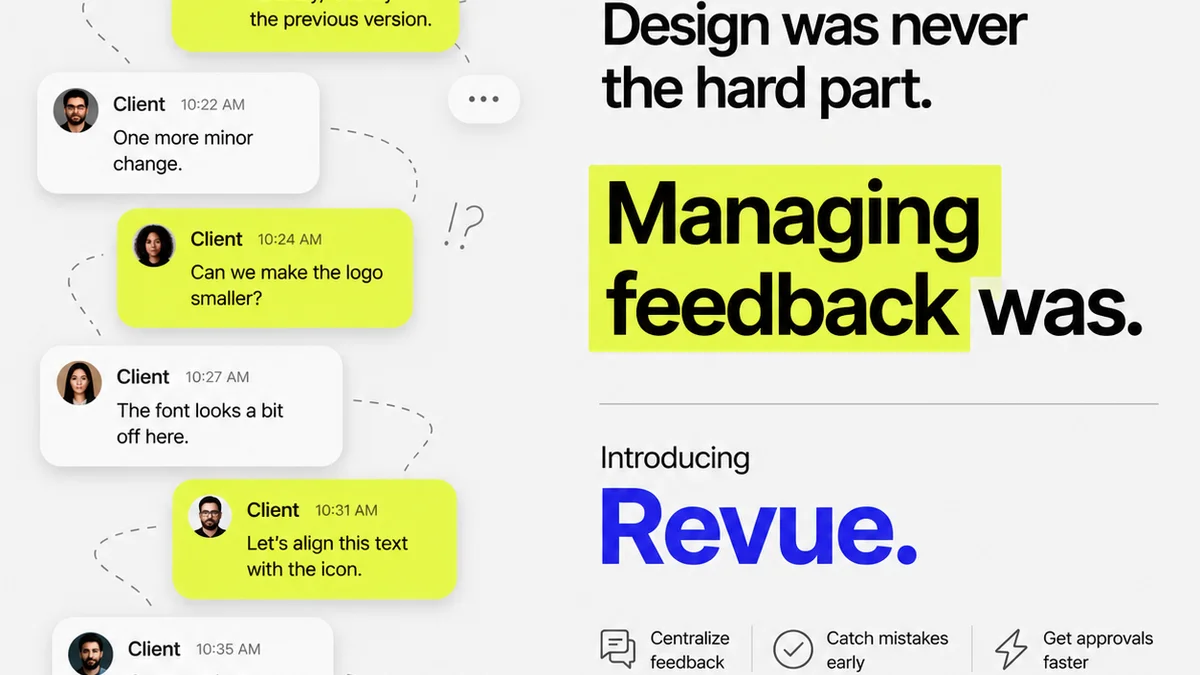
Scattered feedback is chaos. Emails, Slack messages, random Word docs — it's a recipe for missed revisions and client frustration.
Centralizing feedback isn't just about organization; it's about accuracy and accountability.
The Problem with Email Chains
Email chains are notorious for losing context. Who said what? When? Was that the *latest* version?
Important feedback gets buried. Or worse, outdated comments are acted upon.
Leverage a Centralized Platform
This is where tools designed for creative workflows shine. They provide a single source of truth for all feedback.
Comments are tied to specific versions and elements, making them actionable and trackable. No more
Frequently asked questions
What is the most common mistake in content review?
The most common mistake is treating content review as a final proofreading step rather than an integral part of the strategic development process. This leads to a reactive approach, missed opportunities, and endless revision cycles because the core objectives and audience needs weren't clearly defined upfront.
How can I get better feedback from clients?
Get specific. Provide clear review guidelines, define the audience and objectives beforehand, and use a centralized platform where feedback is contextual. Ask clients to focus on strategic alignment and clarity of message, rather than minor stylistic preferences, especially in early stages.
What are the key elements of a good content review process?
A good process includes clearly defined objectives and audience, standardized feedback collection (ideally in a central tool), a designated reviewer or review team, clear communication channels, and a system for tracking revisions and approvals. It should be integrated into the workflow, not an afterthought.
How does content review impact project timelines?
Poorly managed content review is a major cause of project delays. Scattered feedback, unclear instructions, and endless back-and-forth can significantly extend timelines. A structured, centralized process, however, can actually streamline delivery by ensuring clarity and efficiency.