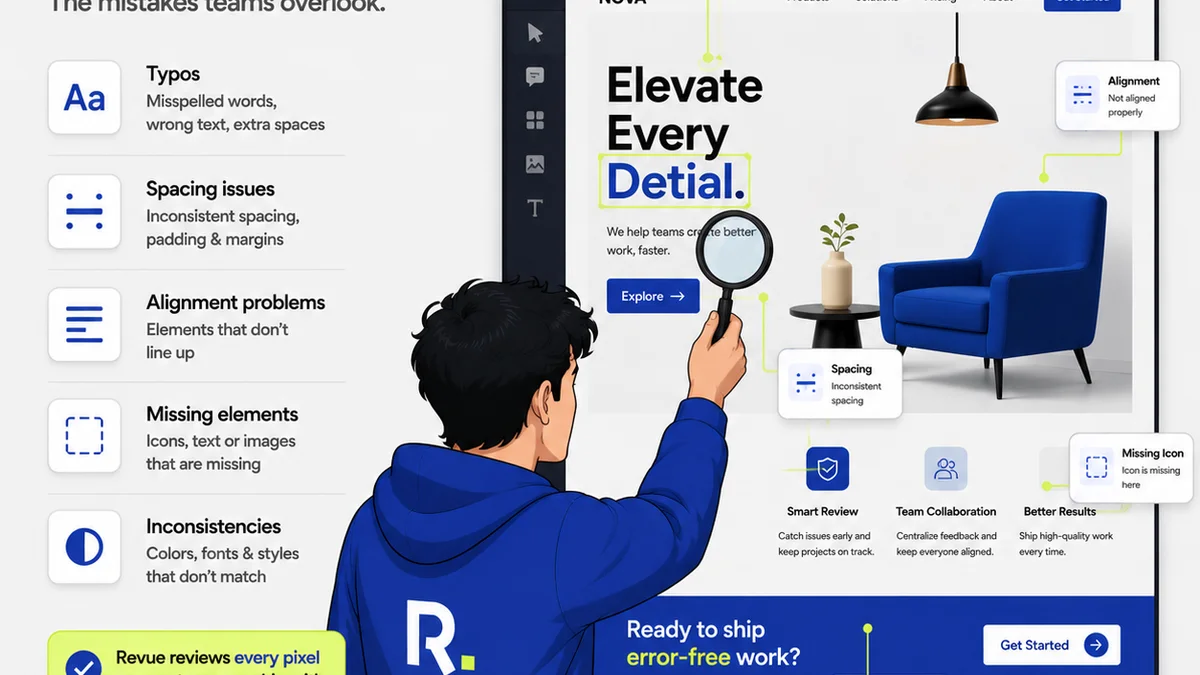
Everyone knows you need to review content before it goes live. Proofread for typos. Check for brand voice. Make sure the links work. None of that is wrong. But it’s incomplete.
The hard truth? A flimsy content review process is a ticking time bomb for your agency. It’s not just about catching errors; it’s about ensuring strategic alignment, client satisfaction, and operational efficiency. A true content review process is a quality gate, not just a final glance.
1. The Strategic Alignment Check
This is where most reviews fall short. They focus on the 'what' (words, images) and ignore the 'why' and 'who'.
Is it on Strategy?
Every piece of content, no matter how small, should serve a purpose. Does it align with the client's overarching goals? Is it speaking to the right audience? This isn't about personal preference; it's about objective strategic fit.
- Does the content directly address a stated client objective (e.g., lead generation, brand awareness, customer education)?
- Is the target audience clearly defined and consistently addressed?
- Does the content ladder up to the overall campaign or brand strategy?
- Are there clear calls to action (CTAs) that align with the content's purpose?
Tone and Voice Consistency
Beyond just checking for typos, is the tone and voice *consistently* applied across all touchpoints? A blog post might have a different energy than a social media caption, but the underlying brand personality should be unmistakable.
- Does it sound like the client?
- Is the voice appropriate for the medium and the audience?
- Are there any jarring shifts in tone or language?
2. The Functional and Technical Audit
This is the more traditional part of a review, but it needs rigor.
User Experience (UX) and Accessibility
Content isn't just read; it's interacted with. Especially for digital content, usability and accessibility are non-negotiable. This goes beyond just a visual check.
- Is the information architecture logical and easy to navigate?
- Are headings used correctly to structure content (e.g.,
,
,
)? This is crucial for both SEO and screen reader users.
- Are all interactive elements (buttons, links, forms) clearly labeled and functional?
- Does the content meet basic accessibility standards? For web content, this often means considering contrast ratios, alt text for images, and keyboard navigability. Check resources like the Web Content Accessibility Guidelines (WCAG).
Platform and Performance Checks
Content needs to perform where it lives.
- Is the content optimized for the intended platform (web, social, print)? This includes character limits, image dimensions, and file sizes.
- Are all links functional and pointing to the correct destinations?
- Are SEO elements properly implemented (meta descriptions, title tags, alt text)?
- Does the content load efficiently on various devices and connection speeds?
3. The Client and Stakeholder Alignment
This is often the most politically charged and overlooked part of the review. It’s about managing expectations and ensuring buy-in.
Clear Scope and Deliverable Verification
Was what you promised delivered? This sounds obvious, but scope creep and misinterpretations are rampant.
- Does the deliverable match the agreed-upon brief and scope of work?
- Are all requested elements present and accounted for?
- Have all previous feedback rounds been addressed accurately?
Stakeholder Sign-off Process
A review isn't complete without clear sign-off. Ambiguity here leads to endless revisions and client frustration.
- Is there a designated point person for feedback and approval from the client side?
- Is the feedback consolidated and actionable, or a chaotic stream of individual opinions?
- Is there a defined process for what constitutes final approval?
4. The Internal Quality Assurance (QA) Gauntlet
This is your agency's internal safeguard. It’s about professional pride and protecting your reputation.
Cross-Functional Review
Don't let content be reviewed by just one department. Different eyes catch different things.
- Has a copywriter reviewed the copy?
- Has a designer reviewed the visual hierarchy and layout?
- Has a strategist reviewed the messaging alignment?
- Has a project manager checked against the brief and timeline?
Brand and Legal Compliance
Depending on the client, this can be critical. You don't want to be the agency that gets a client sued or their brand image tarnished.
- Does the content adhere to all client-specific brand guidelines?
- Are there any legal disclaimers or compliance requirements that need to be met?
- Are all claims substantiated and accurate?
Where Revue Fits In
Managing this multi-faceted content review process can feel like juggling chainsaws. That’s where a centralized platform becomes invaluable.
Revue acts as the single source of truth for content feedback and approvals. Instead of scattered email threads and endless Slack messages, all feedback lives in one place, tied directly to the creative asset. This means:
- Centralized Feedback: All comments, annotations, and revisions from internal teams and clients are consolidated. No more hunting for that one crucial email.
- Revision Visibility: Track every iteration of a piece of content. See what changed, who changed it, and why. This clarity prevents 'he said, she said' scenarios.
- Streamlined Approvals: Define clear approval workflows. Get definitive sign-offs without the guesswork, ensuring everyone is aligned before launch.
- Quality Control: By having a structured review process within Revue, you ensure that all the necessary checks—strategic, functional, and compliance—are systematically performed before anything goes live.
It transforms content review from a chaotic scramble into a controlled, efficient workflow.
Final Thought
Is your content review process merely a speed bump before publication, or is it a robust quality assurance system that protects your clients and your agency’s reputation? The difference is operational discipline. And discipline is built, not wished for.
Frequently asked questions
What are the key stages of a thorough content review?
A thorough content review includes strategic alignment (does it meet goals?), functional and technical checks (UX, accessibility, performance), client and stakeholder alignment (scope verification, clear sign-off), and internal quality assurance (cross-functional review, compliance).
How can I ensure content is strategically aligned?
Verify that the content directly addresses client objectives, speaks to the defined target audience, supports the overall campaign strategy, and includes clear, relevant calls to action.
Why is accessibility important in a content review?
Accessibility ensures that content is usable by everyone, including people with disabilities. This involves checking for proper heading structure, alt text for images, sufficient color contrast, and keyboard navigability, adhering to standards like WCAG.
How can a platform like Revue improve content reviews?
Revue centralizes feedback, tracks revisions clearly, streamlines approval workflows, and provides a structured environment to ensure all necessary quality checks are performed systematically, reducing chaos and improving efficiency.