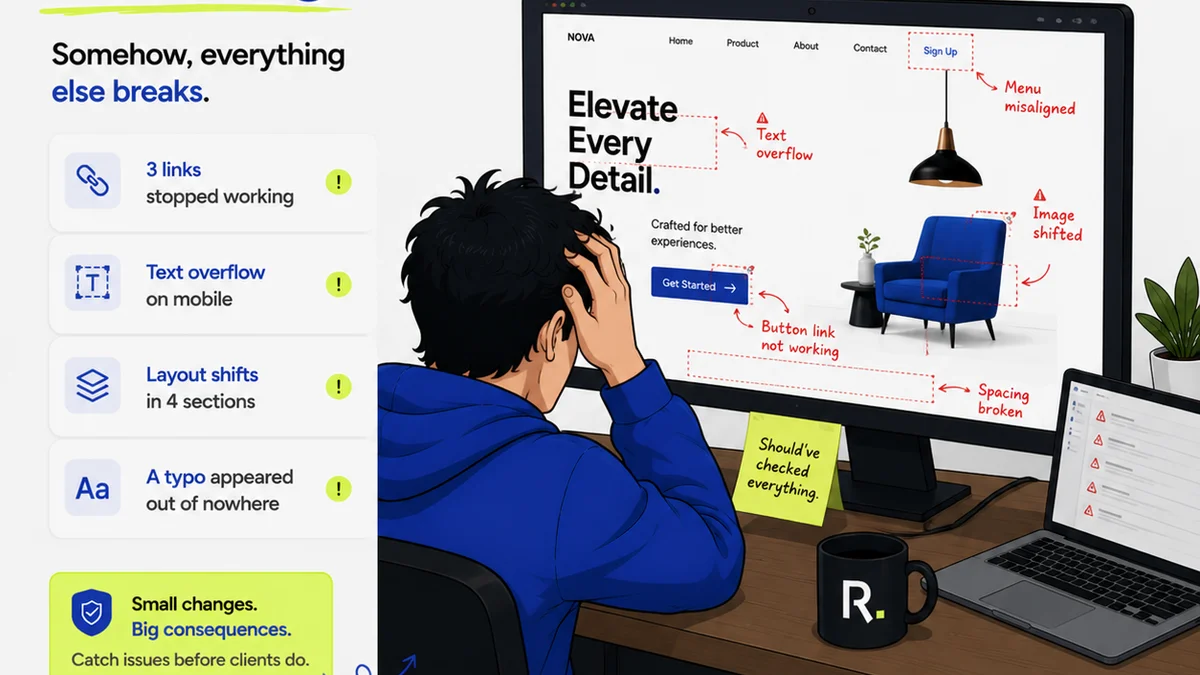
Everyone talks about content review. They say it’s about catching typos, checking brand guidelines, and making sure the client signed off. None of that is wrong. But it’s incomplete.
The hard truth is that content review is a critical bottleneck that can cripple your agency’s output and client relationships if not managed ruthlessly. It’s not just a QA step; it’s a strategic operational challenge.
1. The Myth of the Quick Look
The assumption: A quick read-through by a junior or a busy project manager is enough. The reality: This approach breeds inconsistency and missed errors. It’s a superficial scan, not a robust review.
A truly effective content review requires dedicated time, clear criteria, and the right people. Rushing it is a false economy that costs more in the long run.
The Cost of Complacency
- Missed critical errors that damage client trust.
- Inconsistent messaging across deliverables.
- Wasted time in later, more expensive rounds of revision.
- Burnout for team members constantly playing catch-up.
Your content is the tangible output of your agency’s talent. Treat its review with the seriousness it deserves.
2. Defining the Scope: What Are You Actually Reviewing?
Content review isn't a monolith. It’s a multi-faceted process that needs to be broken down. What exactly are you looking for?
Types of Content Review
- Accuracy Check: Factual correctness, data integrity, names, dates, prices.
- Brand Consistency: Tone of voice, messaging alignment, adherence to brand guides.
- Technical Accuracy: Functionality (for web/app content), code snippets, correct formatting.
- Legal & Compliance: Adherence to regulations, disclaimers, trademark usage.
- Grammar & Spelling: The basics, but crucial.
- Client-Specific Requirements: Ensuring all points from the brief are met.
Each of these requires different expertise and a different checklist. A single reviewer can’t be an expert in all.
3. Building the Right Review Workflow
A chaotic review process leads to chaotic results. You need structure. This means defining roles, responsibilities, and the sequence of checks.
The Sequential Advantage
Don’t have everyone review everything at once. Stagger the checks based on expertise.
- Subject Matter Expert Review: For factual accuracy and technical details.
- Copy Editor/Proofreader Review: For grammar, spelling, and style guide adherence.
- Brand Manager/Account Manager Review: For tone, voice, and client brief alignment.
- Legal/Compliance Review: For regulatory and trademark checks.
- Final Client-Facing Review: A last pass before delivery.
This ensures that each stage builds on the last, catching errors at the earliest, cheapest point.
Clear Criteria, Clear Results
Vague instructions lead to vague feedback. Provide reviewers with specific criteria and checklists for each type of review.
- What tone is expected?
- What specific data points need verification?
- Are there specific legal disclaimers required?
- What are the key performance indicators for this piece of content?
When everyone knows exactly what they’re looking for, the review process becomes efficient and effective.
4. The Human Element: Who Should Review?
The temptation is to have the most junior person do the proofreading or the account manager do a quick pass. This is a mistake.
Assign reviews based on the type of check, not just availability. A legal disclaimer needs a legal mind. Factual accuracy needs someone who understands the subject matter.
Matching Skills to Tasks
- Technical Content: Developers, subject matter experts.
- Marketing Copy: Copywriters, content strategists, account managers.
- Brand Voice: Brand managers, senior creatives.
- Legal/Compliance: Legal counsel or trained compliance officers.
Don’t ask a designer to proofread legal copy. It’s not their expertise, and it’s a waste of their valuable creative time.
5. The Tools of the Trade
Spreadsheets and endless email chains are not tools for efficient content review. They are barriers.
Modern agencies leverage technology to streamline this process. Centralized platforms are key.
Essential Features to Look For
- Version control: Always know which version is current.
- Annotation tools: Specific feedback directly on the content.
- Status tracking: See where each piece is in the workflow.
- Collaboration features: Allow multiple reviewers to comment and resolve issues.
- Integration: Connect with your existing project management tools.
The right tools reduce friction, improve clarity, and speed up the entire review cycle.
Where Revue Fits In
Managing the content review process effectively means having visibility and control. It’s about moving beyond scattered feedback in emails and Slack messages.
Revue provides a centralized hub for all your creative feedback. Instead of chasing down comments, you have a clear audit trail of revisions and approvals.
- Centralized Feedback: All client and internal comments live in one place, tied directly to the creative asset.
- Revision & Approval Tracking: Easily see the history of changes, who approved what, and when. This eliminates ambiguity.
- Quality Assurance: Implement structured review stages within your workflow to ensure all checks are completed before final delivery.
This structured approach minimizes errors, speeds up approvals, and keeps your team focused on creating great work, not managing messy feedback.
6. Common Pitfalls and How to Avoid Them
Even with the best intentions, content review can go wrong. Awareness is the first step to prevention.
Pitfall: The "Too Many Cooks" Syndrome
Solution: Define a clear review hierarchy. Not everyone needs to weigh in on every decision. Appoint a primary approver for each stage.
Pitfall: Ambiguous Feedback
Solution: Train your team and clients on how to give constructive feedback. Use annotation tools that allow for precise comments. Ask clarifying questions.
Pitfall: Scope Creep During Review
Solution: Stick to the original brief. If new requirements emerge, treat them as a change request, not just feedback on the current version.
Pitfall: Reviewer Fatigue
Solution: Don't overload reviewers. Schedule review time realistically. Keep feedback concise and actionable.
Final Thought
Is your content review process a hidden drag on your agency's profitability and creative output? Or is it a well-oiled machine that ensures quality and client satisfaction?
The difference lies in recognizing content review not as a chore, but as a critical operational function deserving of strategic attention, clear processes, and the right tools.
Frequently asked questions
What is the most important aspect of content review?
The most important aspect is clarity. This means clear scope, clear criteria for review, clear assignments of responsibility, and clear, actionable feedback. Without clarity, the process breaks down.
How can I prevent scope creep during content review?
Strictly adhere to the original brief. If new ideas or requirements emerge during review, document them as a separate change request. This ensures that the original scope is completed efficiently before considering additional work, which may require a new estimate or timeline.
Who should be responsible for the final content approval?
The final approval should rest with a designated individual who has the authority and understanding of the project's goals and client's needs. This is often a senior account manager, creative director, or the client themselves, depending on the agreement.
How often should content review happen?
Content review should happen at logical milestones within the project lifecycle. This typically includes internal reviews before client delivery and client reviews after internal checks. The frequency depends on the complexity and length of the content being produced.