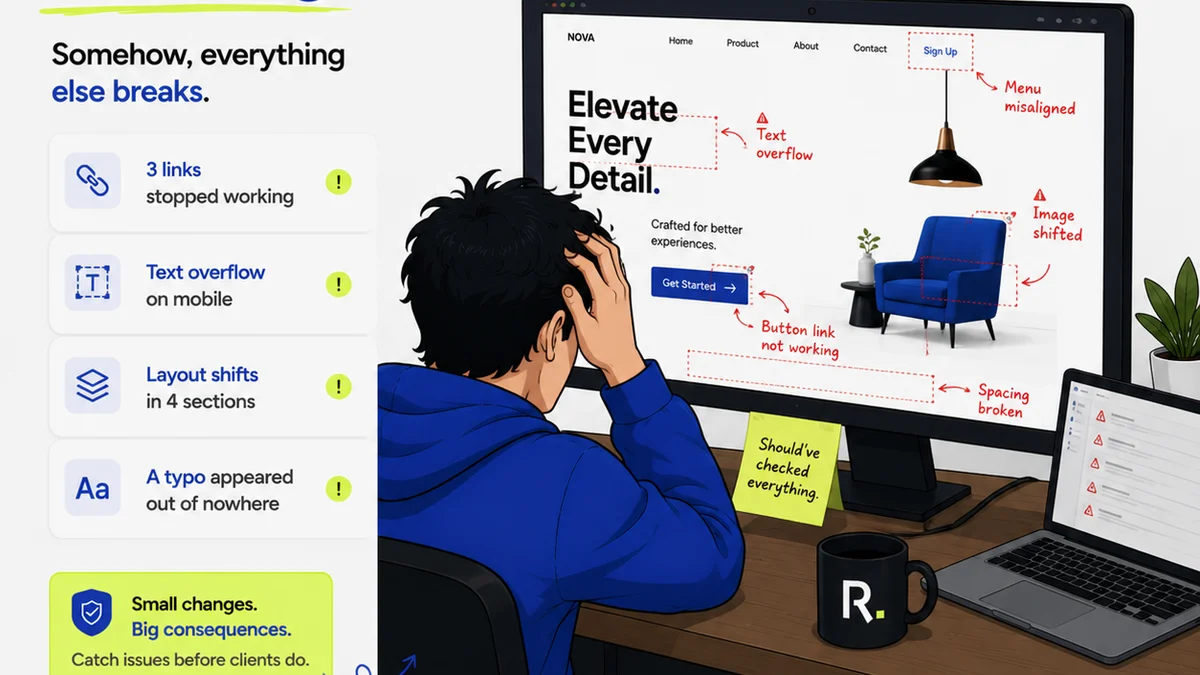
Everyone agrees that a content review process is essential. It’s the gatekeeper, the quality check, the final polish before anything goes live. Many assume that having a checklist or a designated reviewer is enough. None of that is wrong. But it’s incomplete.
The hard truth? Your content review process is probably a bottleneck, not a safeguard. It’s likely slowing you down, creating friction, and hiding the real problems in your creative workflow.
1. The Myth of the 'Final' Review
We treat content review like the last stop on the train. Sign off here, and you’re done. But this 'final' stage is often where the most significant rework happens. It’s where creative directors, account managers, and clients inject subjective opinions that should have been addressed much earlier.
This late-stage feedback is expensive. It means re-editing, re-designing, and re-approving work that was supposedly finished. It’s a symptom of a broken process, not a feature of a good one.
The Cost of Late Feedback
- Increased revision cycles
- Delayed project timelines
- Strained client relationships
- Demoralized creative teams
- Reduced profitability
The goal isn’t just to *have* a review. It’s to make the review process efficient and effective, catching issues early and often.
2. Redefining 'Review': From Gatekeeping to Collaboration
A truly effective content review isn't about a single person ticking boxes at the very end. It’s a continuous, collaborative effort woven throughout the entire project lifecycle.
Think of it less like a police checkpoint and more like a pit stop in a race. The aim is to ensure everything is running optimally, identify minor issues, and make quick adjustments, not to halt progress entirely.
Shifting the Mindset
This requires a fundamental shift. Reviewers aren't just approvers; they are active participants in ensuring quality and alignment from the outset.
Early and Frequent Touchpoints
Instead of one massive review at the end, break down the review process into smaller, manageable stages.
- Concept Review: Before any significant creative work begins, review the brief, the strategy, and the core concepts. Is everyone aligned on the 'what' and 'why'?
- Draft Review: Once initial content or design drafts are ready, review them against the brief and concept. Focus on strategic fit and core messaging.
- Iterative Review: As revisions are made, conduct quick, focused reviews. Are the changes addressing the feedback effectively without introducing new problems?
- Pre-Final Review: A more comprehensive check, but still focused on ensuring all previous feedback has been incorporated and the work meets all requirements.
- Final Approval: The last look, primarily for typos and minor formatting, assuming all strategic and creative elements have been locked in during earlier stages.
This phased approach prevents the dreaded 'everything is wrong' feedback at the eleventh hour.
3. Standardizing Your Content Review Criteria
Subjectivity is the enemy of efficient reviews. When feedback is based on personal taste rather than objective criteria, it leads to endless debates and scope creep.
Develop clear, documented criteria for your reviews. These should be tied directly to the project brief and the client’s goals.
Key Review Criteria Examples
- Brand Alignment: Does this meet brand guidelines? Is the tone of voice consistent?
- Objective Fulfillment: Does the content achieve the specific goals outlined in the brief?
- Audience Relevance: Is it appropriate for the target audience?
- Technical Specifications: Does it meet format, length, and platform requirements?
- Clarity and Conciseness: Is the message easy to understand? Is there any unnecessary jargon?
- Call to Action: Is the desired next step clear and compelling?
- Accuracy: Are all facts, figures, and claims correct?
- Accessibility: Does it meet accessibility standards (e.g., WCAG guidelines for web content)?
When feedback is framed against these criteria, it becomes objective and actionable, not personal.
4. Empowering Reviewers (and Defining Their Roles)
Who is responsible for reviewing what? Ambiguity here is a recipe for disaster. Clearly define the roles and responsibilities of each reviewer.
Not everyone needs to review everything. Assigning the right person to the right stage ensures focused and informed feedback.
Common Reviewer Roles
- Creative Director: Oversees creative quality, strategic alignment, and brand consistency.
- Content Strategist/Editor: Focuses on messaging, clarity, tone, SEO, and accuracy.
- Account Manager: Ensures the work meets client objectives and expectations.
- Subject Matter Expert (SME): Validates technical accuracy for specialized content.
- Legal/Compliance: Reviews for regulatory adherence and risk.
- Client Stakeholders: Provide input on strategic goals and brand perception (ideally at defined stages, not throughout).
Equip your reviewers with the necessary context – the brief, the criteria, and the history of feedback. Without this, their input can be misdirected.
5. The Tools of the Trade: Streamlining the Process
Manual review processes, like endless email chains or scattered feedback in shared docs, are inefficient and error-prone. You need a system.
The right tools centralize communication, track feedback, and provide visibility for everyone involved.
Choosing the Right Platform
Look for tools that offer:
- Centralized feedback collection
- Version control and revision tracking
- Clear assignment of tasks and deadlines
- Approval workflows
- Integration with your existing creative stack
This is where a dedicated platform can make a massive difference. It transforms a chaotic process into a manageable workflow.
Where Revue Fits In
Building an effective content review process doesn't require reinventing the wheel. It requires a structured approach and the right tools to support it.
Revue is built to streamline exactly these kinds of operational challenges for creative teams.
By centralizing client feedback, you eliminate the confusion of scattered comments across emails and chats. Version control ensures everyone is commenting on the latest iteration, preventing wasted effort. Clear revision and approval workflows mean you always know who needs to do what, and when.
This visibility is key. It transforms a opaque, often frustrating review phase into a transparent, manageable part of your project timeline, safeguarding quality and keeping projects moving.
6. Measuring and Improving Your Review Process
You can't improve what you don't measure. Regularly analyze your review process to identify bottlenecks and areas for improvement.
Ask yourself:
- How long does each review stage typically take?
- What percentage of feedback requires significant rework?
- Are there common types of feedback that consistently cause delays?
- Are reviewers consistently providing actionable, objective feedback?
- Is the team clear on the review criteria and their roles?
Use this data to refine your criteria, adjust reviewer assignments, or implement better training. Continuous improvement is the goal.
Final Thought
Your content review process is more than just a quality check; it’s a critical juncture in your project delivery. Is it currently a smooth, efficient pathway to polished creative, or a winding, unpredictable road filled with unexpected detours? The difference isn't just about saving time—it's about building a more robust, reliable, and ultimately, more profitable creative operation.
Frequently asked questions
What is the biggest mistake agencies make with content reviews?
The biggest mistake is treating content review as a single, final gatekeeping step. This often leads to significant, costly rework late in the project when feedback is subjective and broad. A better approach is phased, collaborative reviews throughout the project lifecycle.
How can I make content reviews more objective?
Develop clear, documented review criteria tied to the project brief and client goals. Examples include brand alignment, objective fulfillment, audience relevance, and technical specifications. This shifts feedback from personal opinion to objective evaluation.
Who should be involved in content reviews?
Involve the right people at the right stages. This might include a Creative Director for overall quality, an Editor for messaging, an Account Manager for client objectives, and Subject Matter Experts for technical accuracy. Avoid involving everyone on every review.
How can technology improve my content review process?
Tools can centralize feedback, track revisions, manage approvals, and provide visibility. Platforms like Revue help eliminate scattered comments, ensure everyone is working on the latest version, and streamline the entire workflow, making it more efficient and transparent.