Everyone talks about conversion optimization. They say it’s about A/B testing, landing pages, and better calls-to-action. None of that is wrong. But it’s incomplete.
The real cost of conversion optimization isn't just the tools you use or the hours you log. It's the strategic investment in understanding your customer, systematically testing hypotheses, and building a culture of iterative improvement. For US businesses, this means allocating resources not just for testing, but for research, analysis, and dedicated expertise.
1. The Hidden Costs Beyond Software
Many assume conversion optimization is a software subscription. Buy a tool, run tests, get results. Simple, right?
Wrong. The software is the cheapest part. The real expense comes from what you do *with* it.
Research and Analysis
Before you even think about A/B testing, you need to know *what* to test. This requires deep dives into:
- User behavior analytics (e.g., Hotjar, FullStory)
- Customer surveys and feedback
- Session recordings analysis
- Heatmaps and click tracking
- Competitor analysis
- Market research
This isn't a one-time task. It's ongoing intelligence gathering. The cost here is the time of skilled analysts or the budget for expert consultation.
Hypothesis Generation
A good test starts with a strong hypothesis. This isn't pulling ideas out of thin air. It's data-driven. You need someone who can synthesize research into actionable, testable ideas.
The cost? Expertise. Whether it’s an in-house CRO specialist or an external consultant, their time and strategic thinking are a significant investment.
Experiment Design and Setup
Setting up a robust A/B test involves more than just flipping a switch. You need to consider:
- Defining clear goals and KPIs
- Segmenting your audience
- Ensuring statistical significance
- Choosing the right testing methodology (A/B, multivariate, split URL)
- Technical implementation (tagging, code snippets)
This requires technical proficiency and a good understanding of statistics. The cost is skilled personnel or agency fees.
2. The True Investment in Testing and Iteration
Most businesses vastly underestimate the time and resources required to run effective tests. They think a week or two is enough.
That's not testing. That's guessing.
Testing Duration and Sample Size
To get statistically significant results, tests need time. Depending on your traffic volume and the magnitude of the change, tests can run for weeks, even months.
Running a test for too short a period or with insufficient traffic leads to unreliable data. You might abandon a winning variation or implement a losing one.
The cost is patience and sustained resource allocation. You're paying for the time the test runs and the people monitoring it.
Data Analysis and Interpretation
Once a test concludes, the work isn't over. You need to analyze the results. This means:
- Understanding statistical significance
- Identifying potential confounding factors
- Interpreting the impact on key business metrics
- Documenting learnings
This requires analytical skills. The cost is the time of your data analysts or CRO specialists.
Implementation of Winners
A successful test is only valuable if the winning variation is implemented. This can involve:
- Web development resources to code the changes
- Design resources to finalize assets
- Content writers to adapt copy
- Project management to ensure smooth rollout
This is where many optimization efforts stall. The cost is the development and implementation resources needed to bring successful tests to life.
3. The People Factor: Expertise and Culture
Conversion optimization isn't a solo sport. It requires a team, or at least access to specialized skills.
The biggest cost isn't a tool; it's the lack of the right people or the right mindset.
In-House vs. Agency Costs
Hiring a full-time CRO specialist can cost upwards of $80,000-$120,000+ annually in salary and benefits. This is often prohibitive for smaller businesses.
Agencies offer flexibility. Retainers can range from $3,000/month for basic testing to $20,000+/month for comprehensive strategy and execution. The choice depends on your needs, budget, and internal capabilities.
Building a CRO Culture
True conversion optimization is embedded in the company culture. It means everyone, from marketing to product to sales, understands the value of testing and data-driven decisions.
This cultural shift is intangible but costly. It requires leadership buy-in, training, and a willingness to embrace experimentation, even when it fails.
The cost is the time invested in training, communication, and fostering an environment where data trumps opinion.
4. Tools and Technology: A Necessary Expense
While not the *biggest* cost, the right tools are essential. You can't optimize what you can't measure or test effectively.
Expect to budget for:
- Analytics Platforms: Google Analytics (free), Adobe Analytics (paid), Mixpanel.
- A/B Testing Tools: Google Optimize (free, sunsetting), Optimizely, VWO, Adobe Target.
- User Behavior Tools: Hotjar, Crazy Egg, FullStory.
- Survey Tools: SurveyMonkey, Typeform, Qualtrics.
- Project Management: Asana, Trello, Jira.
Costs vary wildly. A small business might get by with free tools and a few paid subscriptions for $100-$500/month. Larger enterprises could easily spend tens of thousands annually on enterprise-grade platforms.
5. Where Revue Fits In
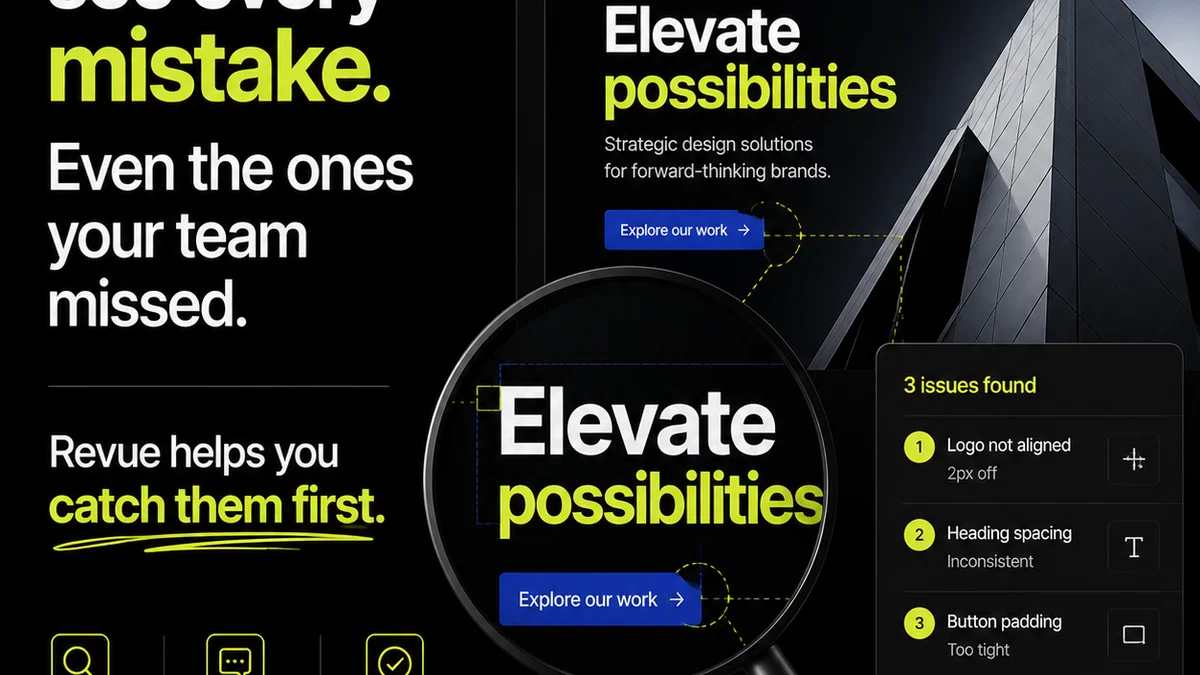
Effective conversion optimization relies on clear communication and efficient workflows. When testing leads to design or content changes, managing feedback and approvals becomes critical.
Revue streamlines this process.
- Centralized Feedback: All stakeholder comments on creative assets live in one place, tied to specific versions. No more hunting through emails or Slack threads.
- Revision Visibility: Track every iteration of a design or piece of content. Understand what changed and why, directly impacting the testing hypothesis or implementation.
- Approval Workflows: Ensure that approved changes are clearly marked, reducing ambiguity and speeding up the implementation of winning test variations.
- Quality Checks: Maintain a high standard for creative output, ensuring that both original designs and implemented test winners meet brand and usability guidelines.
By reducing friction in the creative review process, Revue ensures that the insights gained from conversion optimization efforts translate into tangible, high-quality updates on your website or app.
Final Thought
Conversion optimization isn't a magic bullet. It's a rigorous process. The cost is a strategic investment in understanding your customers and systematically improving their experience. Are you prepared to invest beyond the software?
Frequently asked questions
What is the average cost of conversion optimization for a small business?
For a small business, costs can range from a few hundred dollars per month for essential tools and limited freelance support, to $3,000-$5,000 per month for a dedicated agency retainer focused on specific testing initiatives. The primary costs are tool subscriptions, analysis time, and expert consultation.
How much does A/B testing software typically cost?
A/B testing software costs vary significantly. Free options like Google Optimize (though sunsetting) exist. Paid tools range from around $50-$100 per month for basic plans (e.g., VWO Basic) to several thousand dollars per month for enterprise-level platforms like Optimizely or Adobe Target, which offer advanced features and support.
Is it cheaper to hire an in-house CRO specialist or use an agency?
Hiring an in-house specialist means an annual cost of $80,000-$120,000+ in salary and benefits. An agency retainer typically ranges from $3,000 to $20,000+ per month, depending on scope. For businesses needing specialized skills intermittently or wanting broader expertise, an agency is often more cost-effective and flexible.
What are the hidden costs of conversion optimization?
Hidden costs include the time spent on in-depth user research and analysis, generating data-driven hypotheses, designing experiments, waiting for statistical significance, analyzing results, and implementing winning variations. The cost of building a data-driven culture and training staff also contributes.