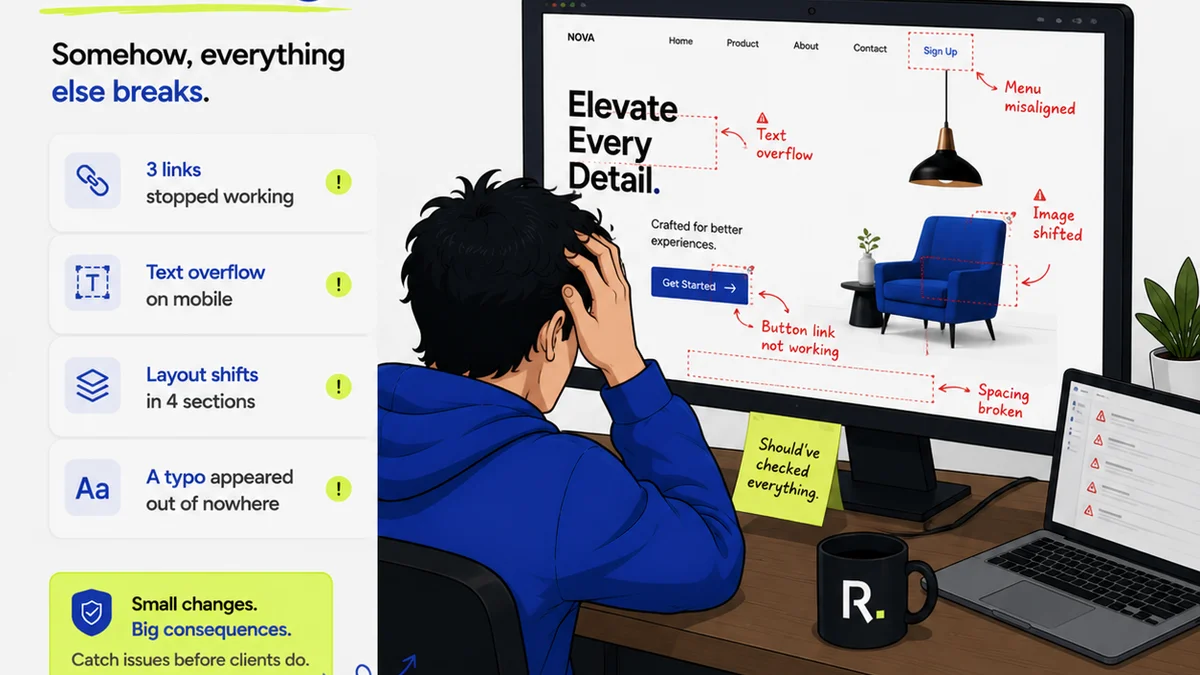
Everyone agrees that clear communication is key to a successful creative agency partnership. Marketing teams need to brief agencies effectively, and agencies need to deliver work that meets those needs. That’s the party line.
None of that is wrong. But it’s incomplete.
The hard truth is that many marketing teams still operate with an ad-hoc approach to creative feedback and approvals. This leads to endless revisions, scope creep, and a breakdown in trust between client and agency. A comprehensive creative agency checklist is not a nice-to-have; it’s a fundamental requirement for efficient, high-quality creative production.
1. The Assumption: Briefs Are Enough
Most marketing teams believe a detailed creative brief is the silver bullet. They spend hours crafting it, hitting all the key points: objectives, audience, deliverables, tone, mandatory elements.
And then the feedback starts. It’s a cascade of “I don’t like this,” “Can we try something else?” and “Make it pop.” The brief seems to evaporate.
This happens because a brief is a static document. It sets the stage, but it doesn’t guide the ongoing conversation or the iterative process of creation.
The Deeper Truth: Briefs Need Guardrails
A brief is the starting gun, not the finish line. The real work happens in the back-and-forth. Without a structured process for feedback and approvals, even the best brief can lead to misinterpretation and missed expectations.
- A great brief is essential, but it’s only the first step.
- It needs to be complemented by clear processes for every stage of creative development.
- This includes how feedback is given, how revisions are managed, and how final sign-off occurs.
2. The Assumption: Feedback is Subjective
“The client just has a ‘feeling’ about it.” This is agency code for “We don’t know why they don’t like it, and they don’t know either.”
While creativity has an element of subjectivity, the best agency-client relationships ground feedback in objective criteria tied back to the original brief and business goals.
The Deeper Truth: Feedback Needs Anchors
Subjectivity is a symptom of poor process, not an inherent flaw in creative work. When feedback is vague or purely emotional, it’s usually because there’s no framework for objective evaluation.
A creative agency checklist should include specific points for evaluating work against:
- Original project objectives.
- Target audience insights.
- Brand guidelines and voice.
- Technical specifications (e.g., file formats, resolution).
- Call to action effectiveness.
- Accessibility standards (e.g., WCAG guidelines for web content).
This moves the conversation from “I don’t like it” to “How does this serve the objective?”
3. The Assumption: Revisions Are Just Part of the Job
Agencies expect revisions. Marketing teams expect to have input. It’s a given.
But unlimited, unstructured revisions are a drain on resources for both sides. They kill profitability for the agency and delay time-to-market for the client.
The Deeper Truth: Revisions Must Be Managed
The goal isn’t to eliminate revisions, but to make them efficient and purposeful. This requires a clear process outlined in your creative agency checklist.
Key elements for managing revisions include:
- Defining the number of revision rounds included in the scope.
- Establishing clear deadlines for feedback submission.
- Specifying how feedback should be consolidated (e.g., one point person, a single document).
- Using tools that allow for contextual feedback directly on the creative asset.
- Implementing a formal sign-off process after each round.
When scope creep happens, it’s often because these boundaries weren’t set or enforced.
4. The Assumption: Approvals Are a Simple Yes/No
Getting final approval on creative work feels like the end of the road. A quick email saying “Looks good, send it over” seems sufficient.
But what if that “yes” was given by someone who wasn’t the ultimate decision-maker? What if the approval was conditional, but that condition wasn’t clearly stated or understood?
The Deeper Truth: Approvals Need Clarity and Authority
A definitive approval is a critical gate. Ambiguity here can unravel all the preceding work.
Your checklist should ensure:
- The correct stakeholders are identified for final approval from the outset.
- There’s a clear understanding of what constitutes
Frequently asked questions
What is the primary benefit of a creative agency checklist for marketing teams?
A checklist standardizes the process, ensuring clear briefs, consistent feedback, and efficient approvals, which reduces costly rework, prevents scope creep, and improves the overall quality and timeliness of creative deliverables.
How can a checklist help manage subjective feedback?
By anchoring feedback to objective criteria defined in the brief (like project goals, audience needs, and brand guidelines), a checklist shifts the conversation from personal preference to strategic alignment, making feedback more actionable and less arbitrary.
How many revision rounds should be included in a creative project?
The number of revision rounds should be clearly defined in the project scope and agreed upon by both the marketing team and the agency. This is typically outlined in a creative agency checklist or project agreement to prevent scope creep and manage expectations.
Who should be involved in the final approval process?
The creative agency checklist should identify all key stakeholders who have final approval authority from the project's inception. This ensures that the person giving the final 'yes' is the appropriate decision-maker and understands the project's context.