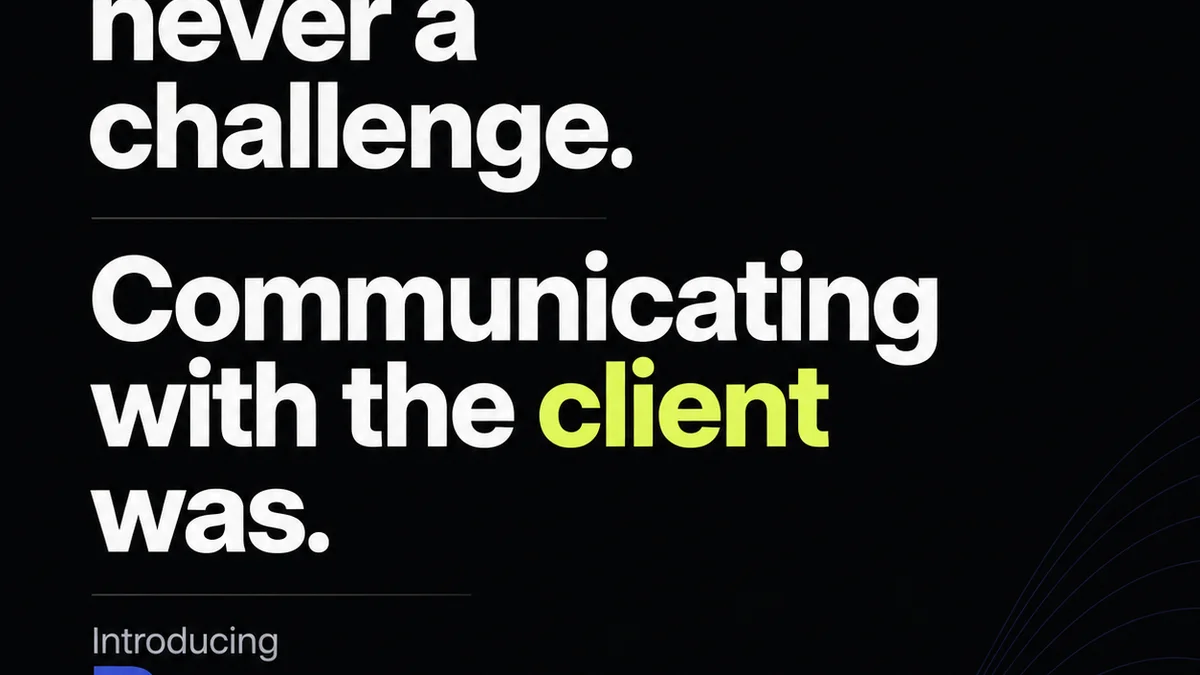
Everyone says you need a creative agency with a killer portfolio. That their past work should wow you. That they should understand your brand aesthetic.
None of that is wrong. But it’s incomplete.
The deeper truth? Choosing a retail creative agency isn't about finding a pretty picture painter. It's about finding an operational partner who can translate creative vision into tangible, repeatable retail results. It's about workflow. About how they take a brief and deliver not just an ad, but a campaign that works, on time, on budget, and without driving your internal teams insane.
1. The Portfolio Myth: Pretty Pictures vs. Production Power
Your agency's portfolio is their highlight reel. It shows what they *can* do. But it rarely shows *how* they do it, or how consistently they can do it for *you*.
In retail, consistency is king. Your brand needs to look and feel the same across a thousand touchpoints, from a tiny pop-up shop to a massive online campaign. A portfolio might show one stunning store design, but can they replicate that quality and brand adherence across 50 locations simultaneously?
Beyond the Glamour Shots
Look past the hero shots. Ask about the process behind them:
- How do they manage multiple creative assets for different channels (in-store, digital, social, print)?
- What’s their system for incorporating client feedback without derailing timelines?
- How do they ensure brand consistency across various deliverables and teams?
- Can they handle the sheer volume and pace required for retail rollouts?
A great portfolio is table stakes. Operational capability is the differentiator.
2. Understanding the Retail Machine: Pace, Scale, and Scrutiny
Retail isn't a static canvas. It's a dynamic, high-velocity environment. Your agency needs to understand this rhythm.
They need to grasp the pressures of seasonal peaks, the need for rapid response to market shifts, and the unforgiving nature of consumer expectations. A campaign that's late or off-brand in retail doesn't just miss a deadline; it can directly impact sales, foot traffic, and brand perception.
The Operational Checklist
When evaluating agencies, probe these areas:
- Scalability: Can they staff up or down to meet your project demands? Do they have a reliable network of freelancers or partners if needed?
- Process Rigor: Do they have established workflows for asset creation, localization, and distribution? How do they handle version control?
- Technology Adoption: Are they leveraging project management tools, DAM systems, or other tech to streamline their operations?
- Budget Management: How do they track costs and provide transparent reporting? Can they deliver within tight retail margins?
- Cross-Functional Collaboration: How do they work with your merchandising, marketing, and operations teams? Do they speak the language of retail KPIs?
Many agencies are brilliant creatives. Few are brilliant operational partners for the unique demands of retail.
3. Feedback Loops and Revision Roulette
Client feedback is the lifeblood of creative work. But for many agencies, it's also a black hole. Emails get lost, comments are misinterpreted, and revisions spiral into an endless loop.
In retail, where speed is critical, this chaos is unacceptable. Your agency must have a structured, transparent way to manage feedback and revisions. This isn't about limiting feedback; it's about channeling it effectively.
Taming the Revision Beast
Ask potential partners:
- What is your process for collecting and consolidating client feedback?
- How do you ensure all stakeholders provide input in one place?
- What tools do you use to track revisions and approvals?
- How do you handle conflicting feedback from different departments?
- What are your protocols for managing scope creep during the revision process?
A clear, efficient feedback loop prevents delays and misunderstandings, ensuring the creative stays on track and on brand.
4. Quality Control: The Last Line of Defense
Before any creative asset goes live in a retail environment – whether it's a hangtag, a website banner, or an in-store display – it needs to be perfect.
This means error-free copy, correct pricing, accurate imagery, and adherence to all brand and legal guidelines. A single mistake can be costly, leading to wasted print runs, incorrect promotions, or even legal issues.
Building in Assurance
A strong agency will have robust quality control (QC) processes:
- Checklists: Do they use detailed checklists for different asset types?
- Proofreading: What is their system for copy review? Do they use multiple reviewers?
- Asset Verification: How do they ensure images, logos, and specifications are correct?
- Brand Guideline Audits: How do they confirm adherence to your specific brand standards?
- Final Sign-off: Who is ultimately responsible for the final QC before release?
This isn't about being overly cautious; it's about professional diligence. It's about protecting your brand and your bottom line.
5. Where Revue Fits In
Managing creative projects, especially at retail scale, demands clarity and control. This is where a centralized platform like Revue becomes invaluable.
Imagine a world where every piece of creative feedback lives in one place. Where revisions are tracked with full visibility. Where approvals are clear and auditable. Where QC checklists are integrated directly into the workflow.
Revue provides that structure. It streamlines the chaos of feedback and approvals, ensuring your agency partner can operate with maximum efficiency and transparency. This means fewer errors, faster turnarounds, and ultimately, more impactful creative that drives retail success.
Final Thought
Choosing a creative agency for your retail brand is a strategic decision that extends far beyond the aesthetic appeal of their past work. It's about selecting a partner whose operational DNA is as strong as their creative talent. It’s about finding an agency that doesn’t just deliver beautiful concepts, but reliable, scalable execution.
Are you selecting an agency based on their portfolio alone, or are you vetting their operational backbone to ensure they can truly deliver for the unique demands of your retail business?
Frequently asked questions
What's the biggest mistake businesses make when hiring a creative agency for retail?
The biggest mistake is focusing solely on the agency's portfolio and creative output, neglecting their operational capabilities. Retail demands scale, speed, and consistency, which requires robust workflows, not just pretty pictures.
How important is an agency's understanding of retail-specific challenges?
It's critical. Retail has unique pressures like seasonal peaks, rapid market changes, and high-volume output needs. An agency that understands these operational realities will be a far more effective partner than one that only understands creative aesthetics.
What questions should I ask about an agency's feedback and revision process?
Ask how they consolidate feedback, track revisions, manage conflicting input, and prevent scope creep. Look for structured, transparent processes that prevent endless loops and delays.
How can I assess an agency's quality control (QC) measures?
Inquire about their use of checklists, proofreading protocols, asset verification methods, brand guideline audits, and their final sign-off procedures. A strong QC process protects your brand and budget.
Can technology like Revue really improve agency-client collaboration in retail?
Yes. Centralized platforms like Revue streamline feedback, track revisions, and manage approvals in one place. This transparency and efficiency reduce errors, speed up delivery, and ensure brand consistency, which is vital for retail success.