Everyone talks about the best creative agencies in the US. They point to award-winning campaigns, massive client rosters, and industry accolades. They assume these agencies succeed because they’re simply packed with more talent or have a better eye for trends.
None of that is wrong. But it’s incomplete.
The deeper, harder truth is that the best creative agency services in the US aren't just about creative output. They’re about operational excellence. They’ve mastered the messy middle: the client feedback, the revisions, the approvals, the quality checks. This is where ideas live or die. This is where agencies win or lose clients.
1. The Illusion of 'Effortless Creativity'
Clients often see the polished final product and assume it was a smooth, linear process. They imagine designers and strategists conjuring brilliance out of thin air.
This is a myth. Great creative work is rarely effortless. It’s the result of rigorous process, constant iteration, and often, painful back-and-forth. The agencies that excel are those that manage this complexity, not those who pretend it doesn't exist.
The Feedback Labyrinth
Client feedback is the lifeblood of agency work. But it’s also a notorious bottleneck. Unstructured feedback, conflicting opinions, and endless revision cycles can derail even the most brilliant concepts.
The best agencies have systems to:
- Centralize all feedback in one place.
- Clearly identify who has approval authority.
- Track feedback history and version control.
- Translate vague comments into actionable tasks.
Revision Chaos vs. Controlled Iteration
Revision is not failure; it's refinement. The difference between a productive revision cycle and chaotic scope creep lies in management.
Top agencies treat revisions as structured phases. They define:
- The number of revision rounds included.
- The scope of each round.
- The turnaround time for feedback and revisions.
This prevents endless, undefined tinkering. It keeps projects on track and budgets respected.
2. Mastering the Approval Gauntlet
Getting a final sign-off can feel like navigating a minefield. Different stakeholders have different priorities, and a single 'no' can send everything back to square one.
The best services provide clarity and accountability in the approval process.
Visible Sign-offs
When everyone can see who needs to approve what, and what the status is, it reduces ambiguity. Digital tools that provide clear audit trails are invaluable here.
Defined Approval Workflows
A clear workflow ensures that approvals happen in the right order and by the right people. It’s not enough to just *ask* for approval; you need a system that *manages* it.
Proactive Risk Management
Top agencies anticipate approval roadblocks. They involve key stakeholders early and often, not just at the final hurdle. This preemptive approach saves time and prevents last-minute crises.
3. The Unsung Hero: Quality Assurance
Many assume that once a client approves, the job is done. For the best agencies, this is only a milestone. The final check before delivery is critical.
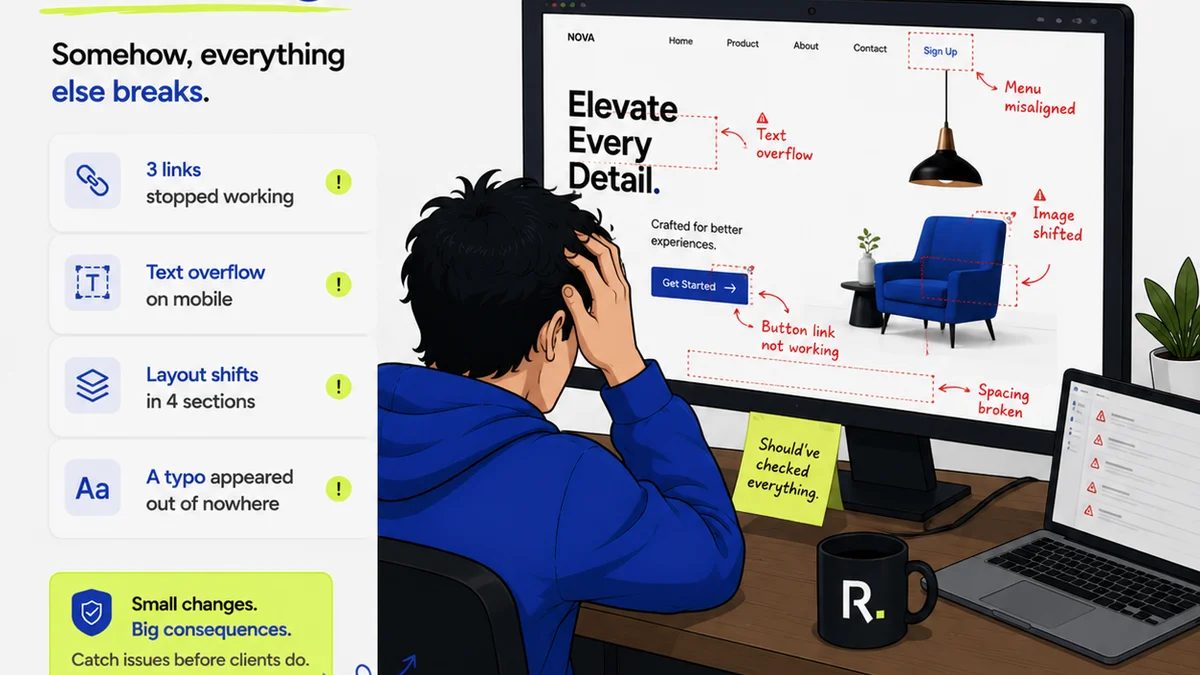
This isn't just about catching typos. It's about ensuring the work meets all technical specifications, brand guidelines, and strategic objectives.
Technical Rigor
For digital projects, this means cross-browser testing, performance checks, and ensuring accessibility standards are met. For print, it's about color profiles, bleed, and resolution.
Brand Consistency Checks
Does the final output align with the established brand voice, visual identity, and messaging? Even approved elements can sometimes drift.
Strategic Alignment
Does the final piece still serve the original brief and business goals? Sometimes, in the heat of revisions, the core objective can get lost.
4. Client Communication: Beyond Status Updates
Communication is key, everyone says so. But what does that *really* mean for an agency service?
It means proactive, transparent, and structured communication. It means setting expectations and meeting them.
Setting Clear Expectations
From the outset, defining project scope, timelines, communication protocols, and deliverables is paramount. Over-promising and under-delivering is a quick way to lose trust.
Structured Reporting
Regular, concise updates that focus on progress, potential issues, and next steps are essential. Avoid jargon and focus on clarity.
Feedback Loops
It’s not just about receiving feedback; it’s about *closing the loop*. Confirming receipt, clarifying any ambiguities, and communicating how feedback will be actioned builds confidence.
5. The Technology Backbone: Tools of the Trade
While talent is crucial, the best agencies leverage technology to amplify their capabilities. This isn't about flashy software; it's about tools that streamline workflow and enhance collaboration.
Think beyond basic project management. Consider platforms that facilitate:
- Visual feedback and annotation (like Figma or dedicated proofing tools).
- Centralized asset management.
- Automated quality checks where possible.
- Clear version control and revision tracking.
The right tools create an environment where creativity can flourish without being bogged down by administrative overhead.
Where Revue Fits In
This is precisely the operational complexity that Revue is built to solve. We understand that the gap between a brilliant idea and a successful project is often bridged by efficient workflow management.
Revue acts as the central nervous system for your agency's creative output. It’s where client feedback is centralized, not scattered across emails and Slack messages. It provides clear visibility into revision status and approval chains, transforming chaos into order.
By streamlining these critical operational aspects – feedback, revisions, approvals, and quality checks – Revue frees up your team to focus on what they do best: creating exceptional work. It ensures that the
Frequently asked questions
What is the biggest misconception about top creative agencies?
The biggest misconception is that they succeed solely due to raw creative talent or trend-spotting. In reality, their success is heavily driven by their ability to manage complex operational workflows, particularly client feedback, revisions, and approvals, efficiently and effectively.
How do the best agencies handle client feedback?
Top agencies centralize all feedback, clearly define approval authorities, track feedback history, and have systems to translate vague comments into actionable tasks. This structured approach prevents feedback from becoming a bottleneck.
Why is quality assurance crucial even after client approval?
Quality assurance is vital to ensure the final deliverable meets all technical specifications, brand guidelines, and strategic objectives. It’s the final check to catch errors in technical execution, brand consistency, or strategic alignment before delivery.
How can technology improve creative agency services?
Technology, when chosen wisely, can streamline workflows, enhance collaboration, and manage complexity. Tools for visual feedback, centralized asset management, automated checks, and version control help agencies operate more efficiently and deliver higher quality work.