Everyone’s talking about AI, the metaverse, and whatever the next big platform will be. They’ll tell you 2026 is all about radical new tech and disruptive business models. None of that is wrong. But it’s incomplete.
The deeper truth is that the agencies thriving in 2026 won’t be the ones chasing the shiniest object. They’ll be the ones who’ve mastered the fundamentals of client collaboration, project execution, and team efficiency. The real trend is operational excellence, amplified by smart tech, not replaced by it.
1. The Client Feedback Feedback Loop
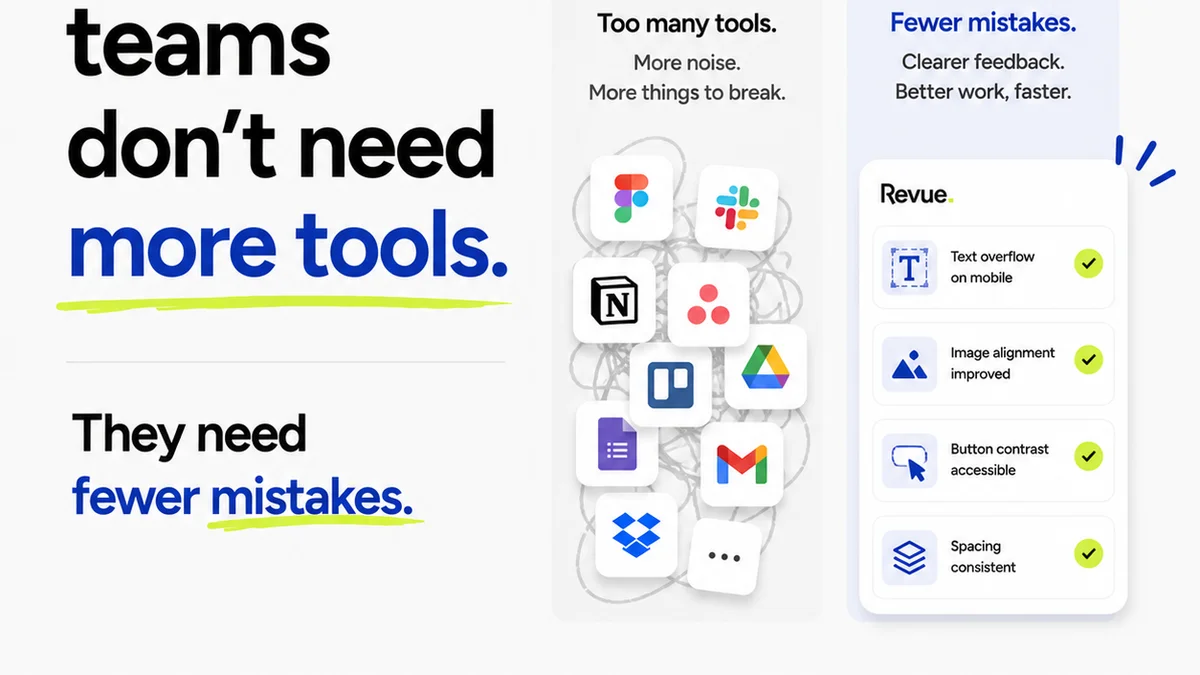
Clients are drowning in communication channels. Email chains, Slack messages, Teams chats, PDF comments, video calls — it’s chaos. They want clarity, not more noise. This isn't just an inconvenience; it’s a bottleneck that kills creativity and breeds resentment.
For years, the assumption has been that more communication equals better collaboration. The reality? Unmanaged communication equals wasted time and missed details.
The Problem: Fragmented Feedback
Think about a typical client feedback cycle:
- A project is sent out via email.
- Feedback comes in scattered replies, some with screenshots, some just text.
- Someone on your team has to consolidate it, often missing nuances.
- Questions arise, leading to more back-and-forth emails or calls.
- Revisions are made, and the cycle repeats.
This is inefficient. It’s prone to error. And it’s frustrating for everyone involved.
The Solution: Centralized Clarity
Agencies in 2026 will demand a single source of truth for all client feedback. No more hunting through email threads or deciphering Slack messages. All comments, annotations, and approval statuses live in one place, tied directly to the creative asset itself.
This isn't just about convenience; it's about accountability and speed. When feedback is centralized, revisions are faster, approvals are clearer, and the risk of misinterpretation plummets.
2. Revision Realism, Not Revision Hell
The
Frequently asked questions
What are the most important creative agency trends for 2026?
The most impactful trends for creative agencies in 2026 revolve around operational excellence: mastering client feedback, streamlining revision processes, ensuring project quality, and building resilient, efficient teams. Technology supports these, but doesn't replace them.
How can agencies manage client feedback better?
Effective management of client feedback requires centralization. Use tools that allow for all comments, annotations, and approval statuses to be consolidated in one place, directly linked to the creative asset. This reduces miscommunication and speeds up revisions.
Is AI a major trend for creative agencies in 2026?
AI will be a significant factor, but its true value for agencies in 2026 lies in its ability to augment human creativity and efficiency, not replace it. Agencies that integrate AI into existing workflows for tasks like content generation or data analysis, while maintaining human oversight, will benefit most.
What is the biggest operational challenge for agencies today?
A primary operational challenge is managing fragmented communication and feedback, which leads to scope creep, missed deadlines, and client dissatisfaction. Centralizing feedback and streamlining revision workflows are key to overcoming this.