Everyone’s talking about creative automation software. The assumption is that if you slap some AI onto a templating engine, you’re set. You’ll churn out endless social posts and email banners. That’s part of it, sure. But it’s not the whole story, especially for the hospitality industry.
The hard truth? True creative automation for hospitality isn't just about speed. It’s about consistency, brand integrity, and managing the sheer volume of *specific* needs across many locations, events, and promotions. It’s about operational efficiency that directly impacts revenue and guest experience.
1. The Real Problem: Fragmented Brand Experience
Hospitality brands live and die by their image. A single inconsistent touchpoint can chip away at perceived quality. Think about it. A luxury hotel chain with a slick website but poorly designed local event flyers? Or a fast-casual chain with a vibrant Instagram feed but inconsistent menu boards across franchises?
This isn't just a design problem. It's a business problem.
The Symptoms of Inconsistency
- Diluted brand recognition across multiple locations or sub-brands.
- Wasted time and resources on repetitive, low-value design tasks.
- Missed marketing opportunities due to slow creative turnaround.
- Inaccurate or outdated information appearing in customer-facing materials.
- Difficulty scaling creative production for seasonal campaigns or new openings.
These aren't minor annoyances. They are operational failures that cost money and damage reputation.
2. Beyond Templates: Dynamic Creative Generation
Many creative automation tools focus on templates. You pick a layout, swap text, and boom. For simple, repeatable assets, that's fine. But hospitality demands more nuance. It requires assets that adapt to specific contexts, not just fill blanks.
Consider a hotel group. Each property has unique amenities, local attractions, and seasonal offers. A generic template won't cut it. You need software that can dynamically generate assets based on structured data.
What Dynamic Generation Looks Like
- Data Integration: Pulling real-time data on room availability, local events, restaurant specials, or weather forecasts to inform creative.
- Rule-Based Variations: Automatically adjusting imagery, copy, and calls-to-action based on predefined rules (e.g., different offers for different customer segments, or variations for different geographic markets).
- Personalization at Scale: Tailoring marketing messages and visuals for individual guest profiles or booking histories. Imagine an email showing a spa package to someone who previously booked spa treatments.
- Multi-Format Output: Generating assets optimized for various channels – social media, website banners, digital signage, print menus, email marketing – from a single source of truth.
This is where creative automation moves from a nice-to-have to a strategic imperative.
3. Managing the Flood: Workflow and Approvals
Even with automated asset creation, the workflow can become a bottleneck. Imagine hundreds of new menu items, daily specials, or event promotions needing approval across multiple stakeholders – marketing, operations, regional managers, even legal.
Manual review processes, endless email chains, and scattered feedback are a recipe for disaster. Creative automation software needs to address this chaos directly.
Streamlining the Creative Pipeline
- Centralized Feedback: A single platform where all stakeholders can view assets, provide precise feedback, and track revisions. No more hunting for the latest PDF.
- Version Control: Automatic tracking of all changes, ensuring everyone is working with the most up-to-date version and making rollbacks easy.
- Automated Approvals: Setting up approval workflows based on asset type, campaign, or stakeholder. Get notified when an asset is ready for your review, and easily approve or reject it with clear reasons.
- Audit Trails: Maintaining a clear record of who approved what and when, crucial for accountability and compliance.
This structured approach is vital for maintaining brand standards and operational efficiency.
4. Quality Control: The Unseen Automation Benefit
The final layer of creative automation is quality control. This isn't just about spell-checking. It's about ensuring brand guidelines are met, legal disclaimers are present, and technical specifications are adhered to across every single asset.
For hospitality, this means ensuring:
- Brand Guideline Adherence: Logos are correctly placed, fonts are used consistently, and color palettes are accurate.
- Legal Compliance: Age restrictions, disclaimers, and promotional terms are correctly displayed.
- Technical Accuracy: Images are the correct resolution for print or digital, files are formatted correctly, and required metadata is included.
- Accessibility: Ensuring digital assets meet accessibility standards, broadening reach and avoiding legal issues. For example, ensuring sufficient color contrast in digital graphics aligns with WCAG guidelines.
Automated checks catch errors that human eyes, under pressure, often miss. This reduces costly reprints, website errors, and brand damage.
5. Where Revue Fits In
You might have the most powerful dynamic creative generation engine, but without a robust system for managing feedback and approvals, you're still leaving efficiency on the table. That’s where Revue comes in.
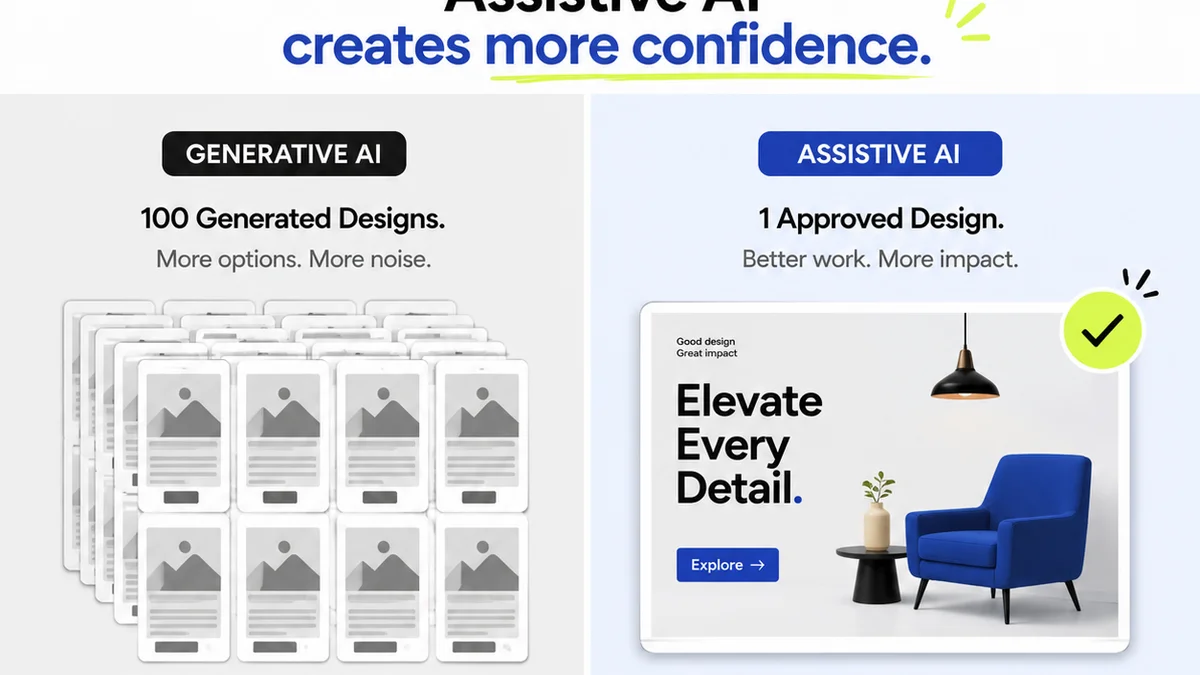
Revue acts as the central nervous system for your creative output. It’s not a templating tool or an AI image generator. It’s the platform that brings order to the creative chaos.
- Centralized Client Feedback: All comments, annotations, and approvals happen in one place, linked directly to the creative asset. No more scattered emails or Slack messages.
- Clear Revision History: Track every iteration, understand stakeholder comments, and manage revisions with confidence.
- Streamlined Approvals: Define clear approval workflows, ensuring the right people sign off at the right time, reducing bottlenecks.
- Quality Assurance Checks: While Revue doesn't perform automated technical checks like a dedicated QA tool, its structured review process ensures that stakeholders are looking for critical elements, reducing oversight.
By integrating Revue into your creative automation strategy, you ensure that the speed and scale of automated generation are matched by clarity, control, and accountability.
Final Thought
Is creative automation software in 2026 just about faster content creation? Or is it about fundamentally reshaping how hospitality brands manage their visual identity, operational consistency, and ultimately, their customer experience? The tools are evolving, but the strategic imperative remains: build a system that delivers not just more, but *better*, more consistent, and more impactful creative work. How are you ensuring your creative automation strategy drives real business outcomes, not just more assets?
Frequently asked questions
What is the main benefit of creative automation for hospitality brands?
The main benefit is achieving and maintaining brand consistency across all touchpoints, from digital ads to in-house signage, which directly impacts perceived quality and guest experience. It also significantly improves operational efficiency by reducing manual design tasks and speeding up approval cycles.
How does dynamic creative generation differ from template-based automation?
Template-based automation uses pre-defined layouts that are manually filled or slightly altered. Dynamic creative generation uses data and rules to automatically create variations of assets, personalizing content and adapting it to specific contexts, channels, or audience segments in real-time.
Can creative automation software help manage feedback and approvals?
Yes, robust creative automation strategies integrate workflow and approval tools. These platforms centralize feedback, track revisions, and automate sign-off processes, preventing bottlenecks and ensuring accountability, which is crucial for multi-location hospitality businesses.
What role does quality control play in creative automation for hospitality?
Quality control in creative automation ensures that all generated assets adhere to brand guidelines, legal requirements, and technical specifications. Automated checks catch errors that human reviewers might miss, safeguarding brand integrity and preventing costly mistakes.