Everyone says a good creative brief is the foundation of a successful campaign. None of that is wrong. But it’s incomplete.
The real hard truth? Most creative briefs are written like afterthoughts, not as the strategic blueprint they’re meant to be. They’re filled with vague objectives, fuzzy target audiences, and a laundry list of deliverables that rarely connect to a core idea.
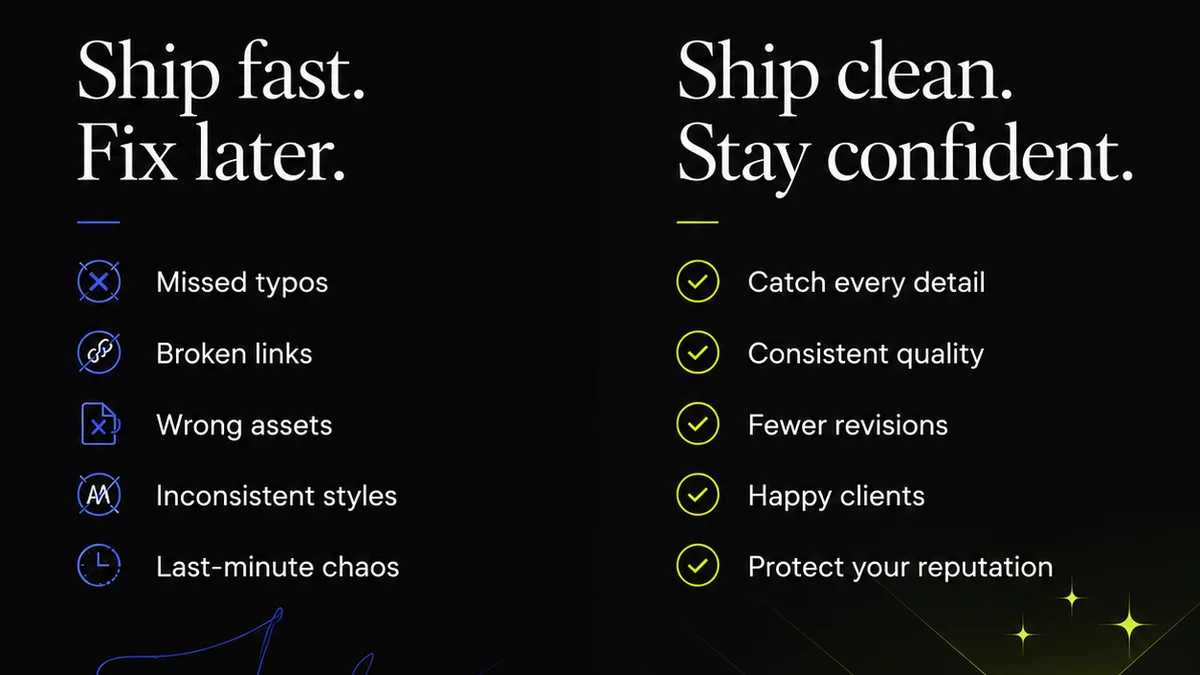
This isn't just a minor inconvenience. It's a direct path to wasted time, budget, and creative energy. It’s why campaigns miss the mark, why clients are frustrated, and why your team feels like they’re constantly chasing a moving target.
Let's fix that. We need to treat the creative brief not as a document, but as a strategic tool. A living, breathing guide that steers every decision.
1. The Brief Isn't About You (The Agency)
This is the most common trap. You fill out a template, tick boxes, and feel good that you’ve “gotten the brief.”
Wrong.
A creative brief’s primary audience is the creative team. It needs to inspire them, not just inform them.
Deeper Truth: A great brief gives the creative team enough strategic context to make smart, independent decisions. It doesn't dictate every pixel or every word.
The Problem: Too Much “What,” Not Enough “Why”
You'll see briefs that list:
- Deliverables: 3 social posts, 1 banner ad, 1 landing page.
- Mandatories: Client logo, tagline, specific color palette.
- Timeline: Due next Friday.
This is just a task list. It tells the team *what* to do, but not *why* it matters.
The Fix: Focus on the Problem, Not the Solution
Start with the business problem the campaign needs to solve. What is the client *really* trying to achieve?
- Is it increased brand awareness?
- Is it driving qualified leads?
- Is it changing consumer perception?
- Is it driving immediate sales?
Every single deliverable, every creative execution, should be a direct answer to that core problem. When the brief clarifies the problem, the solutions become obvious.
2. Define Success Before You Define Deliverables
This is where most briefs fall apart. They list what needs to be made, but never clearly state what success looks like.
Deeper Truth: Without clear, measurable success metrics, you can’t possibly know if the campaign worked. And neither can the client.
The Problem: Vague Objectives
You’ll see:
- Objective: Increase engagement.
- Goal: Make the brand look good.
- KPI: Drive traffic.
What does
Frequently asked questions
What is the primary purpose of a creative brief?
The primary purpose of a creative brief is to provide a clear, concise, and strategic roadmap for a creative project. It ensures everyone involved understands the goals, target audience, key message, and desired outcomes, serving as a guide for the creative team and a benchmark for success.
How specific should the target audience be in a creative brief?
The target audience should be defined with as much specificity as possible. Instead of broad demographics, focus on psychographics, behaviors, pain points, and motivations. This allows the creative team to craft messages and visuals that resonate deeply with the intended recipients.
What are the consequences of a poorly written creative brief?
A poorly written creative brief can lead to misaligned expectations, wasted time and resources, off-target creative work, client dissatisfaction, and ultimately, campaign failure. It creates confusion and hinders the creative team's ability to deliver effective results.
How often should a creative brief be revisited during a project?
A creative brief should be a living document. While it serves as the initial guide, it's beneficial to revisit and potentially refine it at key project milestones, especially if new information arises or strategic shifts occur. This ensures the project remains on track and aligned with evolving objectives.