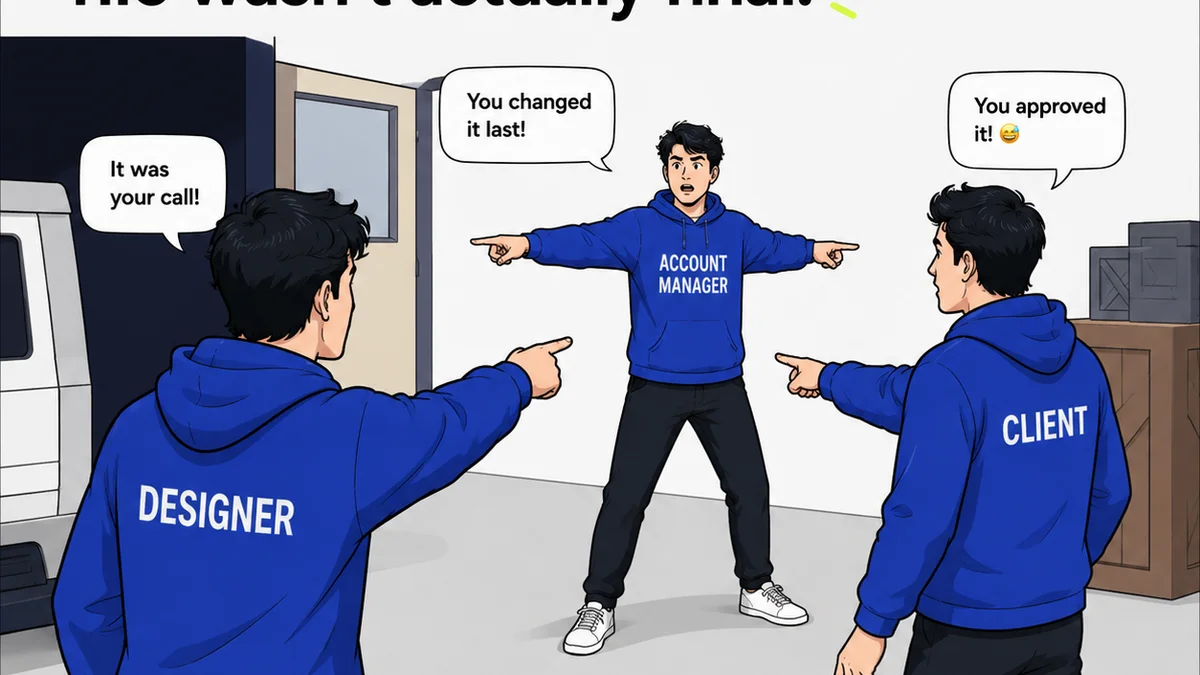
Everyone thinks a creative brief for paid ads is just about channeling the client’s vision. That’s not wrong. But it’s incomplete.
The hard truth? A great paid ads creative brief is a blueprint for *operational efficiency* and *measurable outcomes*. It’s not just about pretty pictures and clever copy; it’s about setting up your team and your campaigns for success from day one.
1. Beyond the Elevator Pitch: Defining Core Objectives
Most briefs start with the client’s broad goals. “Increase brand awareness.” “Drive sales.” “Generate leads.” These are table stakes.
A *functional* brief digs deeper. It forces clarity on what success looks like *specifically* for the paid channel.
Key Performance Indicators (KPIs) That Matter
Don’t just list metrics. Define the *primary* and *secondary* KPIs. What’s the North Star metric? What are the supporting indicators that prove you’re on the right track?
- Primary KPI: What single metric must be hit for this campaign to be considered a win? (e.g., Cost Per Acquisition, Return on Ad Spend)
- Secondary KPIs: What other metrics indicate campaign health and inform optimization? (e.g., Click-Through Rate, Conversion Rate, Engagement Rate)
- Target Benchmarks: Where should these KPIs ideally land, based on past performance or industry standards? Be realistic.
Audience Segmentation: Who Are We Talking To?
“Everyone” is not an audience. A paid ads brief must detail the target audience with surgical precision. This influences platform choice, creative approach, and targeting parameters.
- Demographics: Age, location, gender, income, education.
- Psychographics: Interests, values, lifestyle, attitudes.
- Behavioral: Past purchase history, online activity, brand interactions.
- Pain Points: What problems does your product/service solve for them?
- Motivations: What drives their decision-making?
Platform Strategy: Where Will They See It?
Different platforms demand different creative. A brief needs to specify the primary platforms and *why* they were chosen based on audience and objectives.
- Platform(s): Facebook, Instagram, Google Search, LinkedIn, TikTok, etc.
- Rationale: Why is this platform the best fit for the target audience and campaign goals?
- Format Considerations: What creative formats are native and effective on each platform? (e.g., video, carousel, static image, Stories)
2. The Creative Mandate: Balancing Strategy and Freedom
This is where many briefs falter. They either over-prescribe the creative, stifling innovation, or they're too vague, leading to wasted effort.
A strong paid ads brief provides guardrails, not straitjackets.
Core Message & Value Proposition
What is the single, most important thing the audience should take away? This needs to be crystal clear.
- Unique Selling Proposition (USP): What makes this offering stand out?
- Key Benefit(s): What’s in it for the customer? Focus on outcomes, not just features.
- Call to Action (CTA): What specific action do you want the user to take? (e.g., “Shop Now,” “Learn More,” “Sign Up Free”)
Brand Guidelines & Tone of Voice
Consistency builds trust. The brief must clearly outline brand requirements.
- Visual Identity: Logo usage, color palettes, typography. Link to a style guide.
- Tone: Formal, informal, witty, serious, empathetic? Provide examples.
- Mandatories & Restrictions: Any legal disclaimers, required phrases, or things to absolutely avoid?
Creative Constraints & Deliverables
What are the practical limitations? This prevents scope creep and ensures feasibility.
- Ad Specs: Dimensions, file types, character limits for headlines/body copy.
- Number of Variations: How many ad sets, ad creatives, and copy options are needed?
- Timeline for Creative: When are drafts due? When is final approval needed?
- Budget Allocation (if relevant to creative): Does budget influence the scale or type of creative production?
3. The Operational Backbone: Workflow & Approvals
This is the part most briefs gloss over. But it’s critical for smooth execution and timely campaign launches.
How will the creative actually get made, reviewed, and approved? A clear process prevents bottlenecks.
Feedback Loops & Revision Rounds
Define how feedback will be gathered and consolidated. Specify the number of revision rounds included in the project scope.
- Primary Point of Contact: Who is the main person for feedback?
- Consolidation Process: How will feedback from multiple stakeholders be gathered and prioritized?
- Revision Limits: Clearly state the number of revision rounds included. What happens if more are needed?
Approval Process & Sign-Off
Who has the final say? When does approval need to happen? Ambiguity here kills deadlines.
- Key Approvers: List the individuals or roles responsible for final sign-off.
- Approval Timelines: Specify turnaround times for approvals at each stage.
- Contingency Plan: What happens if an approver is unavailable?
Asset Handoff & Management
How will final assets be delivered? Where will they be stored? This sounds basic, but it’s often a mess.
- File Naming Convention: Ensure consistency.
- Delivery Method: Shared drive, cloud storage link, project management tool?
- Asset Library: Will approved assets be stored centrally for future use?
4. Measuring Success: Beyond Vanity Metrics
A paid ads brief isn't just about launching ads; it's about achieving business outcomes. The brief must set the stage for measurement.
How will we know if the creative *worked*?
Tracking & Measurement Requirements
What needs to be in place to accurately track performance?
- Pixel Implementation: Confirmation that tracking pixels (e.g., Meta Pixel, Google Ads Tag) are correctly installed and firing.
- UTM Parameters: Standardized UTM structure for all campaign URLs to ensure accurate source/medium/campaign attribution in analytics.
- Conversion Tracking Setup: Ensuring that key conversion events are defined and measurable.
Reporting Cadence & Format
How often will performance be reviewed, and in what format?
- Reporting Frequency: Daily, weekly, bi-weekly?
- Reporting Dashboard: Will a live dashboard be used, or static reports?
- Key Insights to Report: What specific insights should the reporting focus on?
Where Revue Fits In
Managing the flow of creative feedback and approvals for paid ads can become chaotic. Briefs are often scattered across emails, chat threads, and documents. This leads to missed feedback, version control issues, and delays.
Revue centralizes this entire process. You can attach your detailed creative brief directly to the project.
Stakeholders can leave specific, contextual feedback directly on the creative assets. Revisions are tracked, and approval statuses are clear. This eliminates the guesswork and ensures everyone is working from the same, up-to-date information.
It streamlines the operational side, allowing your team to focus on what they do best: creating high-performing ads.
Final Thought
Is your creative brief for paid ads a strategic document, or just a wish list? The difference lies in its operational clarity. A brief that details the *how* and the *what* of execution, not just the *why*, is the one that truly drives results.
Frequently asked questions
What's the difference between a general creative brief and one for paid ads?
A general creative brief focuses on the overall campaign concept. A paid ads creative brief is more granular, detailing specific platform requirements, targeting parameters, measurable KPIs, and asset specifications crucial for ad platform performance and optimization.
Why is defining KPIs so important in a paid ads brief?
Paid advertising is inherently performance-driven. Clearly defining Key Performance Indicators (KPIs) from the outset ensures alignment on what success looks like, guides creative development, and provides a benchmark for measuring campaign effectiveness and ROI.
How can a creative brief improve collaboration between creative and media teams?
A comprehensive brief acts as a single source of truth, detailing audience insights, platform strategies, and messaging. This shared understanding minimizes misinterpretations, reduces back-and-forth, and ensures creative is strategically aligned with media placement and targeting.
What are 'mandatories' in a paid ads creative brief?
Mandatories are essential elements that must be included in the ad creative. This can include legal disclaimers, specific taglines, required branding elements, or calls to action that are non-negotiable for compliance or campaign effectiveness.