Everyone talks about creative capacity planning. They say you need to track hours, forecast projects, and assign resources. None of that is wrong. But it’s incomplete.
The hard truth? Most agencies get capacity planning wrong because they focus on the *what* (projects, hours) and ignore the *who* (your people). True capacity planning is about understanding your team’s actual ability to deliver, not just their theoretical availability.
This isn’t about spreadsheets. It’s about building a resilient creative operation. Here’s a practical checklist to get it right.
1. Understand Your True Capacity
Before you can plan, you need to know what you're working with. This means looking beyond billable hours.
a. Beyond the Billable Hour
Billable hours are a metric, not a measure of capacity. Your team isn’t a factory producing widgets. They’re creative professionals.
- Non-Billable but Essential Work: Account for internal meetings, training, R&D, client relationship building, and administrative tasks. These are critical for growth and team development.
- Creative Burnout Factor: Overloading your team, even with billable work, leads to burnout. Burnout kills productivity and creativity faster than anything. Factor in downtime and buffer.
- Skill Specialization vs. Versatility: Do you have specialists who can only do one thing? Or versatile team members who can flex? This impacts how many projects a single person can realistically handle.
b. Audit Your Team’s Skills
What can your team *actually* do, and how well?
Go beyond job titles. Conduct regular skill audits. Understand:
- Proficiency levels in key software (Adobe Creative Suite, Figma, etc.).
- Specific creative skills (e.g., motion graphics, UX/UI design, copywriting, brand strategy).
- Project management and client-facing skills.
- Areas where individuals want to grow – this is your future capacity.
c. Map Workload vs. Skillset
This is where the rubber meets the road. Compare your project pipeline against your team’s actual skills and capacity.
Are you consistently assigning tasks that are outside a team member’s core strengths or training them on the fly for every project? That’s a recipe for delays and quality issues.
2. Realistic Project Forecasting
Forecasting isn’t a dark art. It’s disciplined estimation based on historical data and current capabilities.
a. Historical Data is Gold
If you’re not tracking how long similar projects *actually* took, you’re flying blind. Look at:
- Average time spent on specific project types (e.g., logo design, website redesign, social media campaign).
- Common bottlenecks and delays encountered in past projects.
- The impact of scope creep on timelines.
Use this data to build more accurate estimates for future work. Don't rely on gut feelings alone.
b. Factor in Non-Project Time
Remember that non-billable but essential work? It eats into project time.
When forecasting, explicitly allocate time for:
- Client calls and meetings.
- Internal reviews and approvals.
- Team syncs and stand-ups.
- Professional development and training.
- Unexpected issues and revisions.
c. Identify Dependencies and Risks
What could derail your timeline?
List out potential risks for each project:
- Delayed client feedback.
- Third-party vendor delays.
- Technical challenges.
- Unforeseen scope changes.
- Team member illness or absence.
Build buffer time into your forecasts for these common risks.
3. Resource Allocation & Workflow Optimization
You know your capacity, you’ve forecasted your projects. Now, how do you assign the work effectively?
a. Match Task to Talent
This sounds obvious, but it's often overlooked in the rush.
Ensure the right person is on the right task:
- Leverage specialists for complex, critical tasks.
- Assign junior team members tasks that offer growth opportunities, with appropriate supervision.
- Distribute workload evenly to prevent burnout on one end and underutilization on the other.
b. Streamline Feedback Loops
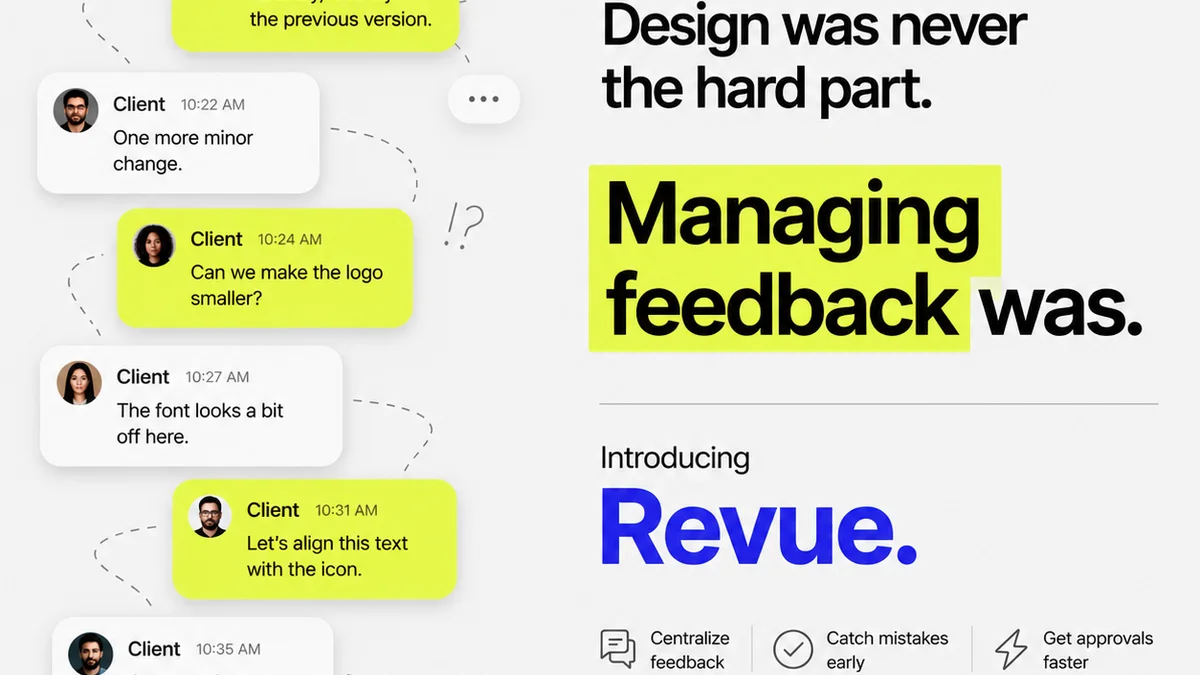
Client feedback is a major factor in project timelines. Unclear, slow, or conflicting feedback paralyzes creative teams.
Implement a standardized process for receiving and managing feedback. This includes:
- Clear briefs at the start of every project.
- Defined points for client review.
- A single source of truth for feedback, not emails scattered across different platforms.
c. Define Revision & Approval Gates
Scope creep often happens because revision and approval processes are fuzzy.
Set clear expectations upfront:
- How many rounds of revisions are included?
- What constitutes a
Frequently asked questions
What is creative capacity planning?
Creative capacity planning is the process of understanding and managing your creative team's ability to deliver work. It involves assessing available resources (people, skills, time), forecasting project needs, and allocating tasks realistically to meet demand without causing burnout or compromising quality.
Why is tracking billable hours not enough for capacity planning?
Billable hours only measure time spent on client projects. They don't account for essential non-billable work like internal meetings, training, R&D, or the critical need for downtime to prevent creative burnout. True capacity requires a holistic view of team availability and well-being.
How can I improve my agency's project forecasting?
Improve forecasting by leveraging historical project data to estimate timelines more accurately. Factor in non-project related time, identify potential risks and dependencies, and always build in buffer time for unforeseen issues. Standardize your estimation process.
What's the best way to handle client feedback in capacity planning?
Streamline client feedback by establishing clear communication channels and defined review stages. Use a centralized platform to consolidate feedback, reducing confusion and delays. Clearly outline the number of revision rounds included in the project scope.