Everyone assumes creative capacity planning is about knowing who’s busy and who’s free. That’s the surface level. The real challenge is understanding the *flow* of work, the *impact* of scope creep, and the *cost* of idle time. If your current system feels like juggling chainsaws, you’re not alone. Spreadsheets and gut feelings just don’t cut it anymore.
The hard truth? Effective creative capacity planning isn't just about resource allocation. It's about strategic foresight, risk management, and profitability. It’s the engine room of a high-performing agency. Get it wrong, and everything else grinds to a halt.
1. The Myth of the Static Schedule
Your team’s availability isn’t a fixed point. It’s a dynamic, shifting landscape. Projects get delayed, clients ask for “just one more thing,” and team members take unexpected time off. A rigid schedule is a recipe for disaster.
Capacity planning software needs to handle this flux. It should visualize timelines, flag potential bottlenecks, and allow for quick re-forecasting. Static doesn't work. Fluidity is key.
Why Static Schedules Fail
- Client revisions that snowball.
- Unforeseen team absences (illness, personal days).
- Dependencies on external factors (e.g., stock asset availability).
- Scope creep disguised as minor tweaks.
- Miscalculations of task duration.
These aren't exceptions; they are the norm in creative work.
2. Beyond Billable Hours: True Capacity Metrics
Many agencies still track capacity through billable hours. This is a flawed metric for planning. It focuses on *output*, not *throughput* or *profitability*. You need to understand the actual time and effort required for specific creative tasks.
True capacity planning looks at the *total time* a resource is available, subtracts non-billable but essential work (admin, training, internal meetings), and then layers project demands onto that realistic availability.
Key Metrics for Planning
- Utilization Rate: The percentage of a team member's total working hours spent on billable projects.
- Realized Rate: The actual revenue generated per hour worked on a project, accounting for fixed bids and scope changes.
- Projected Profitability: Forecasting the profit margin of upcoming projects based on estimated effort and resources.
- Resource Load: Visualizing which team members or roles are over or under-allocated for specific periods.
- Cycle Time: The average time it takes to complete a specific type of creative task from start to finish.
These metrics give you a clearer picture than simple hour-tracking.
3. Software Solutions: What to Look For
The right creative capacity planning software moves beyond basic scheduling. It should offer robust features that address the complexities of agency workflows.
Think about the core functionalities that will make the biggest impact on your day-to-day operations and long-term strategy.
Essential Features
- Visual Project Timelines: Gantt charts or similar visual tools to see project dependencies and timelines at a glance.
- Resource Allocation Tools: Drag-and-drop interfaces to assign team members to tasks and projects, with clear visibility of their current workload.
- Forecasting & Scenario Planning: The ability to model different project intake scenarios and see their impact on team capacity.
- Real-time Updates: Systems that reflect changes as they happen, not days later.
- Integration Capabilities: Connects with other tools you use (project management, time tracking, finance).
- Reporting & Analytics: Dashboards that provide insights into utilization, profitability, and potential bottlenecks.
Don't settle for tools that only scratch the surface.
4. Evaluating Top Contenders in 2026
The market for project management and resource planning tools is crowded. For creative agencies, however, a specialized approach often yields better results. Generic tools might require extensive customization, which eats into valuable time.
Look for platforms built with creative workflows in mind.
Consider These Categories
- Dedicated Creative Agency Software: Platforms designed specifically for the needs of agencies, often including CRM, project management, and financial tools alongside capacity planning.
- Advanced Project Management Tools: Tools like Asana, Monday.com, or Wrike offer robust resource management features, but may require more setup to fit agency specifics.
- Resource Management Specialists: Software focused purely on resource planning and forecasting, often integrating with other PM tools.
The best choice depends on your agency's size, complexity, and existing tech stack.
5. Where Revue Fits In
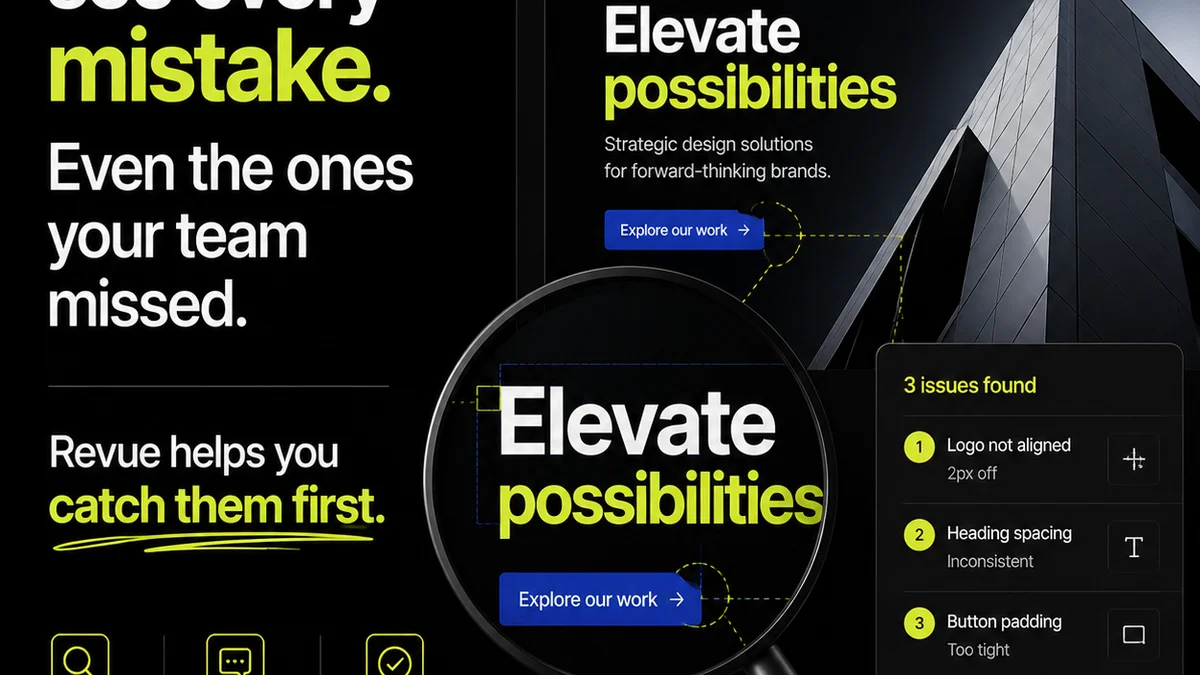
While Revue isn't a dedicated capacity planning tool in the traditional sense, it plays a crucial role in optimizing the *outcomes* of your capacity planning efforts. By centralizing client feedback and streamlining revisions, Revue directly impacts project timelines and resource utilization.
When feedback is scattered across emails, Slack, and random documents, it creates delays. Revisions become a black hole of time and effort. This directly impacts your team's capacity and your project profitability.
Revue's Impact on Workflow Efficiency
- Centralized Feedback: All client comments are in one place, linked to specific creative assets. This reduces time spent searching for feedback and clarifies what needs to be done.
- Clear Revision Tracking: See every version, every iteration, and every approval. This eliminates confusion about the latest approved direction and prevents wasted work on outdated versions.
- Streamlined Approvals: Formal approval workflows mean less back-and-forth and clearer sign-offs, moving projects forward decisively.
- Reduced Rework: By ensuring clarity and agreement early, the need for extensive, capacity-draining rework is significantly reduced.
Better feedback management means more predictable project timelines and more accurate capacity forecasting.
6. The Human Element: Culture and Communication
Even the most sophisticated software can’t fix a broken team culture. Capacity planning software is a tool, not a magic wand. Its effectiveness hinges on how your team uses it and communicates around it.
Foster an environment where open communication about workload is encouraged. Team members should feel safe raising concerns about being over-allocated or underutilized *before* it becomes a crisis.
Building a Capacity-Aware Culture
- Regular check-ins focused on workload, not just tasks.
- Clear processes for requesting help or adjusting priorities.
- Leadership that actively uses capacity data to make informed decisions, not just to assign blame.
- Training on how to use planning tools effectively.
- Celebrating efficient workflows and successful project completion.
Technology supports people. It doesn't replace the need for good management and a healthy team dynamic.
Final Thought
Are you planning for the work you *have*, or the work you *want*? The best creative capacity planning software doesn't just show you who's busy. It empowers you to make strategic decisions about future projects, team growth, and ultimately, the sustained profitability of your agency. It’s about building a resilient, adaptable business, not just managing a schedule.
Frequently asked questions
What is creative capacity planning?
Creative capacity planning is the process of assessing and allocating your team's available time and skills to meet current and future project demands. It ensures you have the right people available for the right tasks at the right time, preventing burnout and maximizing efficiency.
Why are spreadsheets insufficient for capacity planning?
Spreadsheets are static, prone to errors, and lack real-time updates. They struggle to handle the dynamic nature of creative projects, dependencies, and scope changes, making accurate forecasting and resource allocation difficult.
What are the key benefits of using dedicated capacity planning software?
Dedicated software offers real-time visibility into team workloads, improved forecasting accuracy, better identification of bottlenecks, streamlined resource allocation, and enhanced profitability by preventing over-commitment and underutilization.
How does Revue help with capacity planning?
Revue enhances capacity planning by centralizing client feedback and streamlining revisions. This reduces project delays, minimizes rework, and leads to more predictable timelines, allowing for more accurate resource allocation and utilization.