Everyone blames creative feedback. It’s messy, subjective, and often comes too late. Agency owners, creative directors, and project managers all nod in agreement. They think: if only clients could give better feedback, our lives would be easier.
None of that is wrong. But it’s incomplete. Focusing solely on the quality of feedback misses the forest for the trees. The real problem isn't the feedback itself, but how it’s managed—or mismanaged—within your agency’s workflow.
The hard truth? Your agency’s workflow is likely the bottleneck, not the clients. Inefficient processes for gathering, organizing, and acting on creative feedback are what truly derail projects, inflate timelines, and erode margins. It’s an operational issue, not just a communication one.
1. The Illusion of Centralized Feedback
Many agencies *think* they have a handle on feedback. They use email threads, Slack channels, or even shared documents. They might even have a dedicated project manager trying to wrangle it all.
But this scattered approach creates chaos.
The Symptoms of Scattered Feedback
- Feedback is buried in email chains, easy to miss or misinterpret.
- Different stakeholders provide conflicting notes across multiple platforms.
- Key decisions get lost in casual chat messages.
- There’s no single source of truth for what’s been approved or what needs revision.
- New team members struggle to catch up on project history and feedback nuances.
This isn't centralized. It's just distributed noise. Without a system designed for managing creative assets and feedback, you’re operating on assumptions and hoping for the best.
2. Revision Chaos: The Endless Cycle
The typical agency project involves multiple rounds of revisions. Each round should ideally bring the work closer to the client’s vision. But often, revisions become a black hole.
Why? Because the process of tracking changes and ensuring all feedback is addressed is manual and error-prone.
Why Revisions Go Off the Rails
- Lack of Version Control: Which is the latest approved version? Who has it?
- Unclear Scope Creep: Did that new request fall under the original scope, or is it a new revision?
- Delayed Sign-offs: Waiting days for approval on a minor tweak can halt progress for everyone.
- Missed Feedback: A critical note from a senior stakeholder gets overlooked in the shuffle.
- Inefficient Redlining: Markups are made directly on final files, leading to integration issues.
This cycle eats up billable hours and delays final delivery, directly impacting profitability and client satisfaction. It’s a drain on resources that could be focused on actual creative work.
3. The Quality Assurance Black Hole
Quality assurance (QA) is often an afterthought. It’s the last step before delivery, usually a quick check by the project manager or a senior team member.
But QA shouldn’t be a last-minute scramble. It’s a critical part of the creative process, ensuring that the final output meets all requirements and brand standards.
Common QA Failures
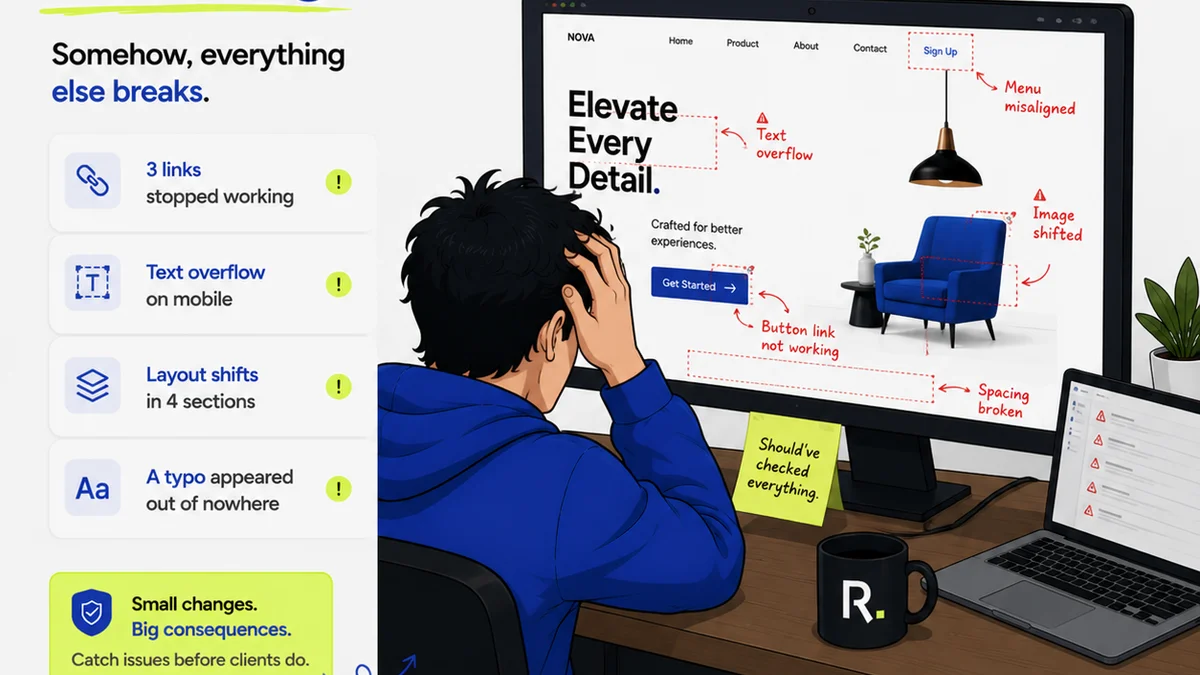
- Technical Glitches: Broken links, unoptimized images, incorrect formatting.
- Content Errors: Typos, grammatical mistakes, outdated information.
- Functional Bugs: Features not working as intended on different devices or browsers.
- Brand Misalignment: Inconsistent tone, off-brand visuals, or incorrect logo usage.
- Accessibility Issues: Poor color contrast, missing alt text, or keyboard navigation problems.
A robust QA process catches these issues early. It prevents embarrassing mistakes from reaching the client and ensures the work is polished and professional. Without a structured QA process tied to feedback and revisions, quality suffers.
4. The Cost of Inefficiency
Every delay, every miscommunication, every missed revision costs money. For agencies, these inefficiencies translate directly to:
- Reduced Profitability: Longer project times mean less margin.
- Client Dissatisfaction: Delays and errors damage trust.
- Team Burnout: Constant firefighting and rework lead to stress.
- Damaged Reputation: Inconsistent quality can hurt your agency's standing.
You might think you’re saving time by using quick chat messages or email. But in the long run, these shortcuts create massive operational drag. They obscure problems until they become crises.
Where Revue Fits In
This is where a centralized platform for managing creative feedback and approvals becomes essential. Revue is built to tackle these exact workflow challenges.
Instead of juggling endless email threads and chat messages, Revue provides a single source of truth for all your creative projects. You can upload assets, gather feedback directly on those assets, and manage revisions with clear visibility.
Centralized Feedback: All comments, annotations, and stakeholder feedback live in one place, tied directly to the creative asset. No more hunting for notes across multiple platforms.
Revision Management: Track every version, see who approved what, and understand the history of changes. This clarity streamlines the revision process and prevents scope creep.
Quality Assurance Tools: Implement structured QA checklists and ensure all feedback is addressed before final delivery. This systematic approach elevates the quality of your output.
By streamlining these core operational aspects, Revue helps creative teams move faster, reduce errors, and deliver better work, more predictably.
Final Thought
The next time a project goes sideways, resist the urge to simply blame the client’s feedback. Dig deeper. Examine your workflow. Are you set up to manage feedback efficiently, track revisions clearly, and ensure quality systematically?
Because the real challenge for modern creative teams isn't just getting good feedback. It's building a workflow that makes acting on that feedback seamless, predictable, and profitable.
Frequently asked questions
What are the biggest workflow challenges for creative agencies?
The biggest challenges typically revolve around managing client feedback effectively, handling revisions without scope creep or delays, ensuring consistent quality assurance, and maintaining clear version control for creative assets. These operational issues often cause more problems than the feedback itself.
How can agencies improve their creative feedback process?
Agencies can improve by centralizing all feedback in one platform, using tools that allow for direct annotation on creative assets, establishing clear communication protocols for feedback, and ensuring all stakeholders have visibility into the revision history. This moves beyond scattered emails and chats.
Is it better to use email or a dedicated platform for feedback?
While email can work for very simple projects, a dedicated platform is far superior for managing complex creative feedback. Platforms offer centralized storage, version control, direct annotation, clear approval tracking, and better visibility, reducing errors and saving time compared to fragmented email chains.
How does managing revisions impact agency profitability?
Inefficient revision management leads to extended project timelines, increased team hours spent on rework, and potential scope creep. This directly eats into profit margins. A streamlined revision process, with clear approvals and version tracking, saves time and money, boosting profitability.