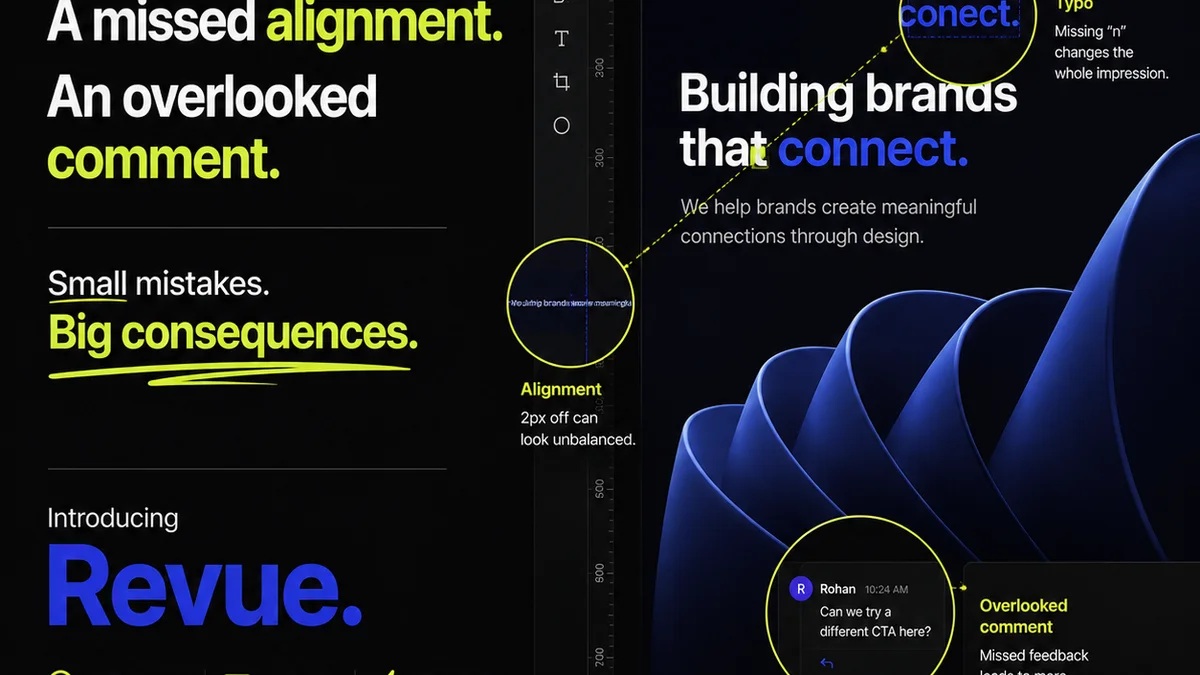
Everyone knows that good creative feedback is essential. It's the bedrock of successful projects, the bridge between a client's vision and the final deliverable. You've probably read countless articles telling you to be specific, be constructive, and be timely. None of that is wrong.
But it’s incomplete.
The hard truth is that the *process* of giving and receiving feedback is often more broken than the feedback itself. We get bogged down in communication chaos, losing context, missing crucial details, and ultimately slowing down progress. This isn't about the quality of your creative director's notes; it's about the operational mechanics of how that feedback moves from thought to action.
Modern creative teams, whether agency or in-house, need more than just good intentions. They need systems that handle the volume and complexity of feedback efficiently. Let's break down the operational best practices that actually move the needle.
1. Centralize All Feedback
The assumption: Feedback happens where it happens. In Slack channels, email threads, client calls, even sticky notes on a monitor. The reality: This is a recipe for disaster.
Scattered feedback means:
- Lost comments
- Conflicting instructions
- Endless searching for the latest version
Frequently asked questions
What is the most common mistake teams make with creative feedback?
The most common mistake is not having a centralized system. Feedback gets scattered across emails, chat apps, and calls, leading to lost comments, conflicting instructions, and wasted time searching for the latest version.
How can I make feedback more actionable?
Actionable feedback is specific, clearly tied to project goals, and delivered with context. Using a platform that allows direct annotation on the creative asset helps immensely, as it removes ambiguity.
What's the difference between constructive criticism and good feedback?
Constructive criticism focuses on improving the work, often pointing out flaws and suggesting solutions. Good feedback is broader; it includes constructive criticism but also ensures alignment with project goals, client expectations, and overall strategy. It's about moving the project forward effectively.
How often should clients provide feedback?
The frequency of feedback should be defined in the project brief and schedule. Regular, scheduled check-ins are better than ad-hoc requests. This helps manage client expectations and prevents bottlenecks.