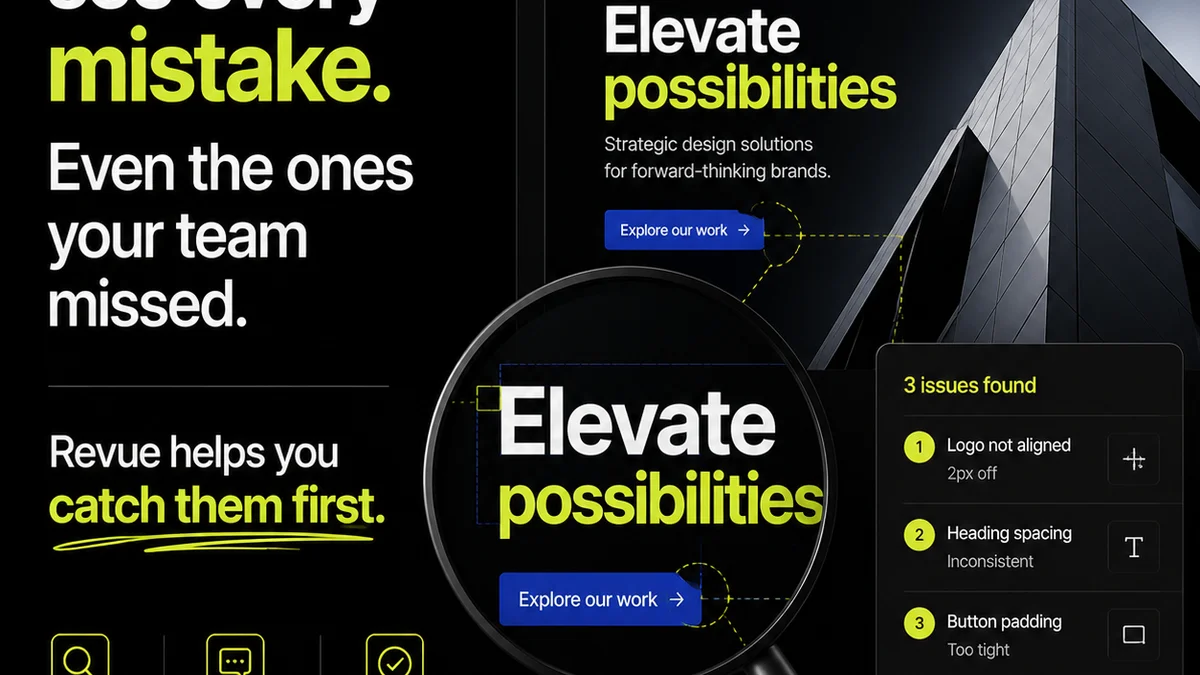
Everyone agrees that good feedback is crucial for creative projects. You probably think your team is pretty good at giving it. You might even have a process in place.
None of that is wrong. But it’s incomplete.
The hard truth is, most creative feedback, even when well-intentioned, is too vague, too subjective, or too late in the process to be truly actionable. This leads to endless revision cycles, missed deadlines, and frustrated clients. The real problem isn't the intention; it's the *structure* of the feedback itself.
1. Defining 'Done' Before You Start
The biggest killer of efficient creative reviews is the lack of a clear brief and agreed-upon success criteria. You can't effectively critique work if you don't know what it's supposed to achieve.
The Brief: Your North Star
Every piece of creative work should have a brief that outlines:
- Project goals and objectives
- Target audience
- Key message(s)
- Mandatories (logos, legal disclaimers, etc.)
- Brand guidelines
- Deliverables and formats
- Success metrics
This isn't just for the creatives; it's for the reviewers too. If a reviewer doesn't understand the objective, their feedback is likely to miss the mark.
Success Criteria: Measurable Outcomes
Beyond the brief, what does success *look like*? For a website, is it a certain conversion rate? For a campaign, is it brand recall? For a logo, is it clarity at small sizes? Defining these upfront makes feedback objective.
Without this clarity, feedback devolves into personal taste. “I don’t like blue.” “It feels a bit corporate.” This is noise, not signal.
2. Structured Feedback: Moving Beyond Gut Feel
Subjectivity is inherent in creative work, but that doesn't mean feedback has to be a free-for-all. A structured approach channels subjective opinions into constructive criticism.
Categorize Your Comments
When reviewing, group your feedback into logical categories. This helps identify patterns and prioritize issues.
- Strategic Alignment: Does this meet the brief and objectives?
- Clarity & Messaging: Is the core message clear and easy to understand?
- Usability/Functionality: Does it work as intended? (Crucial for digital)
- Brand Consistency: Does it adhere to brand guidelines?
- Technical Execution: Are there errors in design, copy, or build?
- Overall Impact/Aesthetics: Does it resonate with the target audience? (This is where subjective taste plays a role, but it should be the last consideration.)
The 'Why' Behind the 'What'
Every piece of feedback should include a justification. Instead of saying, “Change this headline,” say, “Change this headline because it doesn't clearly communicate the primary benefit to the target audience, who we know prioritizes X.”
This forces the reviewer to think critically and provides the creative team with context to address the issue effectively.
3. The Reviewer's Checklist: A Practical Tool
Empower your reviewers with a checklist. This ensures consistency and covers common oversight areas. Tailor this to your specific project type, but here’s a general framework:
General Review Checklist
- Does it meet the brief's core objectives? (Refer back to the brief.)
- Is the primary message clear and easily understood by the target audience?
- Are all mandatory elements included and correctly placed? (Logos, URLs, legal text, etc.)
- Does it adhere to brand guidelines? (Tone, voice, visual style.)
- Is the typography legible and appropriately used?
- Are the color palettes correct and accessible? (Check contrast ratios.)
- Is the imagery high-quality and relevant?
- Are there any grammatical errors, typos, or inconsistencies?
- For digital: Is the user flow intuitive? Are interactive elements clear? Is it responsive across devices?
- For print: Are bleed, trim, and safety margins correct? Is resolution adequate?
- Are accessibility standards met? (e.g., alt text for images, sufficient color contrast.) WCAG 2.2 guidelines are a good reference.
- Does it evoke the desired emotional response?
- Is anything distracting or detracting from the main message?
- Is this the *best* possible solution, or just *a* solution? (Push for excellence.)
This isn't about nitpicking; it's about thoroughness.
4. Timing is Everything: Catching Issues Early
Feedback is exponentially more valuable the earlier it's given. Late-stage feedback is often costly and disruptive.
Phased Reviews
Implement review stages:
- Concept/Sketch Review: Focus on strategy and direction.
- Draft/Wireframe Review: Focus on layout, flow, and core content.
- Near-Final Review: Focus on polish, copy, and technical execution.
- Final Proofing: A last check for critical errors.
Each stage has a different focus. Asking for final approval on a wireframe is a waste of everyone's time.
The Cost of Late Feedback
A small tweak to a wireframe might take minutes. A similar tweak to a fully designed and coded website can take hours or days, and might require re-approvals. The later an issue is found, the more expensive it is to fix.
This highlights the importance of a robust feedback loop, not just at the end, but throughout the process.
5. Managing Revisions and Approvals
The goal of feedback is to get to a final, approved deliverable. The process needs to support this.
Version Control is Non-Negotiable
Keep track of changes. Ensure everyone is reviewing the latest version. Ambiguity here leads to chaos.
Clear Approval Workflow
Who needs to sign off? What constitutes approval? Is it a formal sign-off, or implied by silence after a deadline?
Make the approval process explicit. If you need a formal sign-off, state it. If silence implies approval after X days, state that too. But be wary of the latter – it can lead to missed issues.
Consolidate Feedback
One source of truth for feedback is essential. Multiple email threads, Slack messages, and verbal comments create confusion and make it impossible to track what's been addressed.
Where Revue Fits In
This is where a tool like Revue becomes invaluable. Instead of scattered feedback across emails, Slack channels, and random documents, Revue centralizes client feedback and revision management.
When you upload creative assets to Revue, clients and stakeholders can leave contextual comments directly on the design. This keeps feedback organized and tied to the specific element being discussed.
The platform provides clear visibility into the revision history and approval status. You can see who has reviewed, what feedback has been given, and which versions have been approved. This structured workflow drastically reduces the chances of miscommunication and ensures everyone is working from the same, up-to-date information.
It helps enforce the structured feedback principles we've discussed, ensuring that comments are clear, actionable, and traceable, moving you efficiently from initial concept to final sign-off.
Final Thought
Is your current feedback process a bottleneck or a catalyst for great work? If it's the former, it's time to move beyond assumptions and implement a structured checklist. Clarity, consistency, and timeliness aren't just nice-to-haves; they are the bedrock of efficient creative delivery.
Frequently asked questions
What is the most common mistake in creative feedback?
The most common mistake is providing vague or subjective feedback without context or justification. This often stems from a lack of a clear brief or defined success criteria, leading to endless, unproductive revision cycles.
How can I make feedback more actionable?
Make feedback actionable by always linking it back to the project brief and objectives. Provide a clear 'why' for every comment, suggesting specific changes or asking targeted questions. Categorizing feedback (e.g., strategic, technical, usability) also helps.
When is the best time to give feedback on creative work?
The best time to give feedback is as early as possible in the process. Implementing phased reviews—from concept sketches to near-final drafts—allows for critical issues to be caught and addressed when they are least costly and disruptive to fix.
How does a checklist improve the feedback process?
A checklist ensures consistency and thoroughness by prompting reviewers to consider key aspects like strategic alignment, clarity, brand adherence, technical execution, and accessibility. It prevents crucial details from being overlooked and standardizes the review criteria.
What role does technology play in managing creative feedback?
Technology, like centralized feedback platforms, plays a crucial role by consolidating all comments in one place, providing version control, and clarifying approval status. This eliminates confusion from scattered communication channels and ensures everyone works with the latest information.