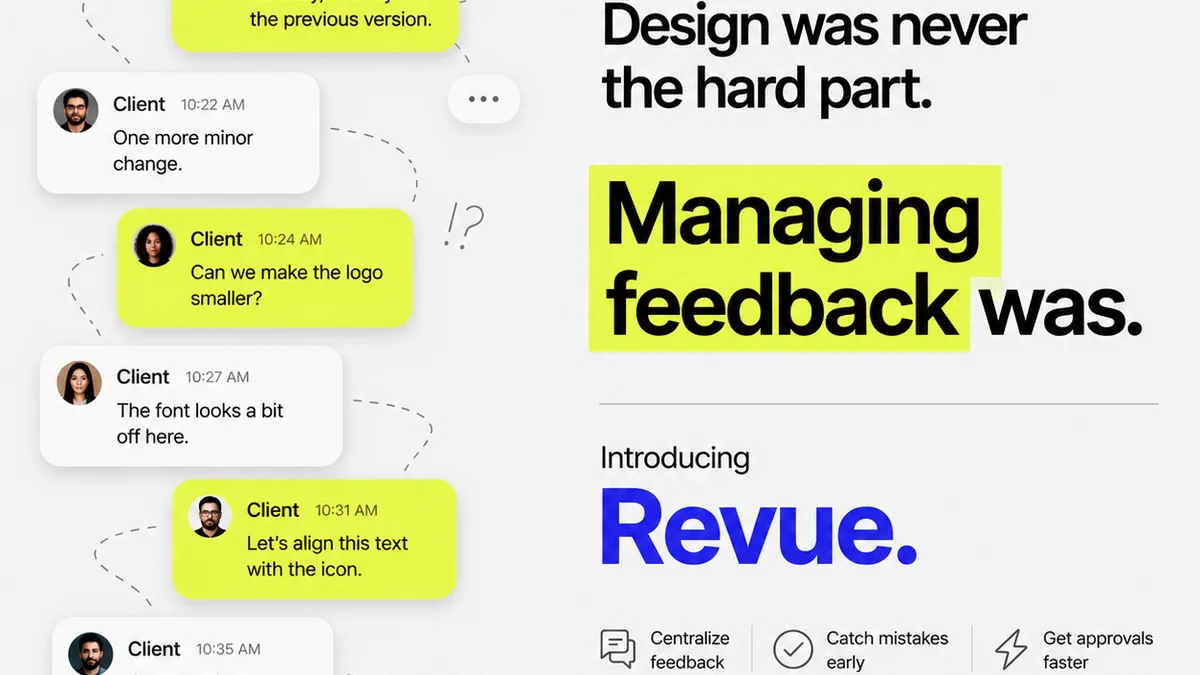
Everyone says a creative feedback checklist is essential for managing client revisions. And they’re not wrong. A checklist helps ensure nothing critical slips through the cracks.
But it’s incomplete. Relying solely on a checklist is like having a recipe but no kitchen.
The hard truth? The real problem isn’t *what* you check; it’s *how* you structure the entire feedback loop. Without a robust system, even the best checklist becomes a band-aid on a broken process.
1. The Illusion of Clarity: Why Generic Feedback Fails
You’ve seen it: feedback that’s vague, contradictory, or just plain unhelpful. “Make it pop.” “I don’t love it.” “Can we try something else?”
This isn’t the client’s fault. It’s often a symptom of a poorly defined brief and a lack of structured communication channels.
The Briefing Black Hole
If the initial brief is muddy, the feedback will be too. Assumptions get made. Expectations diverge. The creative team is left guessing.
A solid creative brief is your first line of defense. It should clearly outline:
- Project goals
- Target audience
- Key messages
- Mandatories and constraints
- Tone of voice
- Deliverables and formats
The Ambiguity Avalanche
Even with a great brief, feedback can become ambiguous if it’s not tied to specific elements. When a client comments on a whole page or a lengthy paragraph, it’s hard to pinpoint the exact issue.
This is where visual annotation tools become invaluable. They allow feedback to be placed directly on the element in question, reducing misinterpretation.
2. The Revision Rollercoaster: Managing Scope and Expectations
The dreaded scope creep. It’s the silent killer of project profitability and team morale. Uncontrolled revisions are a primary driver of this.
A checklist can track revisions, but it doesn’t prevent them from spiraling.
Defining “Done”
What does a completed revision cycle look like? Is it one round of minor tweaks? Or does it include significant overhauls?
Setting clear revision limits upfront is crucial. This means defining:
- The number of revision rounds included in the project scope.
- What constitutes a “minor” vs. “major” revision.
- The process for handling requests outside the agreed scope (e.g., change orders, additional fees).
The Approval Bottleneck
Inefficient approval processes lead to delays and frustration. Waiting days for a simple “yes” or “no” can halt progress.
This requires clear communication about who needs to approve what, and by when. Timelines for approvals should be built into the project schedule.
3. The Quality Control Conundrum: Beyond Surface-Level Checks
A basic creative feedback checklist might include items like “Check spelling” or “Verify link functionality.” These are important, but they’re just the tip of the iceberg.
True quality control goes deeper, ensuring the creative not only functions correctly but also meets strategic objectives and brand standards.
Strategic Alignment
Does the creative effectively communicate the intended message? Does it resonate with the target audience? Does it align with the overall campaign goals?
These questions require a strategic lens, not just a technical one. The feedback process should facilitate this strategic review.
Brand Consistency
Is the visual identity consistent across all elements? Are brand guidelines being followed? This includes everything from logo usage to typography and color palettes.
A comprehensive checklist might include specific brand compliance checks, especially for larger organizations with strict brand guardians.
Accessibility and Usability
For digital projects, ensuring accessibility is non-negotiable. This means adhering to standards like the Web Content Accessibility Guidelines (WCAG).
Checks should include:
- Sufficient color contrast.
- Proper heading structures.
- Alt text for images.
- Keyboard navigability.
- Clear and understandable language.
Usability also plays a role. Is the user flow intuitive? Is the information architecture logical? While not always part of a basic feedback checklist, these are critical quality gates.
4. Building a Better Feedback System, Not Just a Checklist
Your creative feedback checklist is a tool, not the entire system. The system is how you collect, manage, discuss, and act on feedback.
Centralize Communication
Scattered feedback across emails, Slack messages, and random documents is a recipe for disaster. You need a single source of truth.
This is where a dedicated platform for creative workflow becomes essential. It consolidates all communication and feedback in one place, linked directly to the creative assets being reviewed.
Streamline the Workflow
A clear, documented workflow ensures everyone knows their role and the steps involved in the feedback and revision process.
This includes:
- Who provides feedback?
- When is feedback due?
- How is feedback consolidated?
- Who makes the final decisions?
- How are revisions tracked and approved?
Foster Collaboration, Not Conflict
Feedback should be constructive. The system should encourage clear, actionable comments rather than subjective opinions.
Training your team and your clients on how to give and receive effective feedback can transform the process. Focus on outcomes and objectives.
Where Revue Fits In
A robust creative feedback process requires more than just a static checklist. It demands a dynamic system that manages the entire lifecycle of creative work.
Revue is built for this. It provides a centralized hub for all your creative assets and client communication.
- Centralized Feedback: Collect all client comments directly on the creative, eliminating email chains and scattered notes.
- Revision Visibility: Track every version, every comment, and every approval status, providing a clear audit trail.
- Quality Assurance: Ensure nothing is missed by integrating your checklist items directly into the review workflow, making quality checks a non-negotiable step.
By bringing structure and clarity to your feedback loops, you move beyond a simple checklist to a truly optimized creative workflow.
Final Thought
Is your creative feedback process helping you deliver great work faster, or is it just adding another layer of administrative burden?
The distinction lies not in the checklist itself, but in the system that supports it.
Frequently asked questions
What are the essential elements of a creative brief?
A strong creative brief should clearly define project goals, target audience, key messages, any mandatories or constraints, the desired tone of voice, and the specific deliverables and formats required.
How can I prevent scope creep during creative revisions?
Prevent scope creep by clearly defining the number and type of revision rounds included in the project scope upfront. Establish a process for handling requests that fall outside the agreed scope, such as change orders and additional fees.
What is the difference between a minor and a major revision?
A minor revision typically involves small adjustments like tweaking text, adjusting colors slightly, or correcting minor layout issues. A major revision usually entails significant changes to the concept, structure, messaging, or overall design that require substantial rework.
Why is accessibility important in creative feedback?
Accessibility ensures that your creative work can be used and understood by everyone, including people with disabilities. This involves adhering to standards like WCAG, which cover aspects like color contrast, alt text for images, and keyboard navigation.