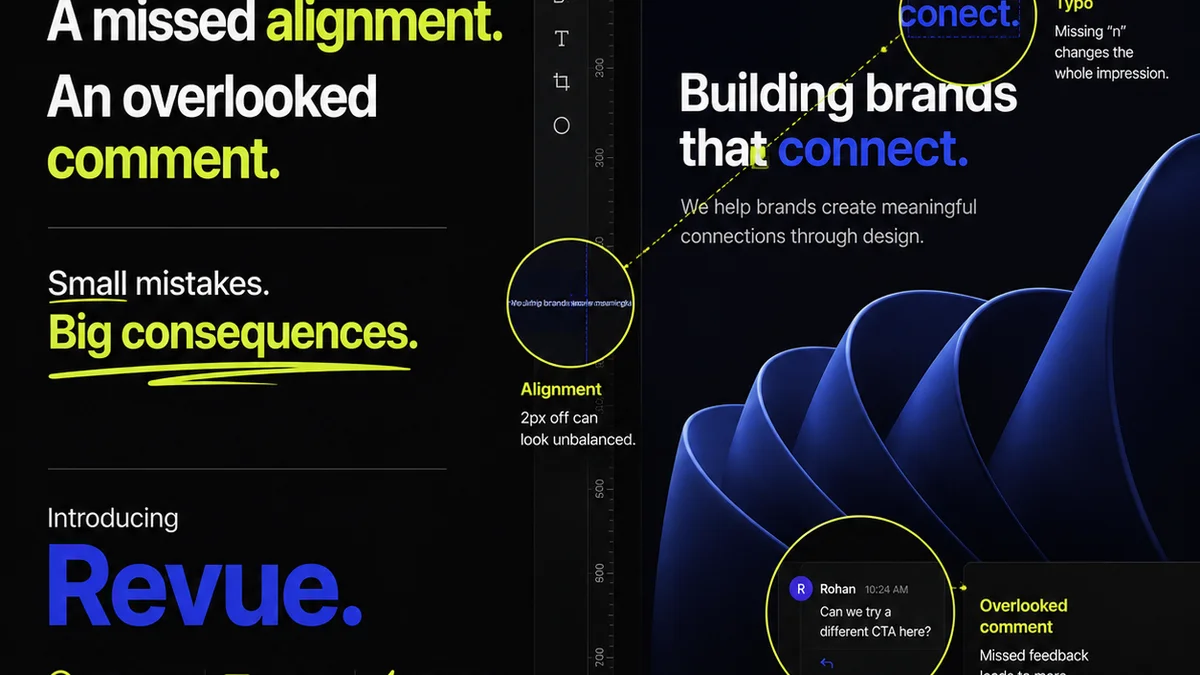
Everyone wants a better creative feedback workflow. You’ve probably Googled ‘creative feedback workflow checklist’ and found a dozen templates. They tell you to be clear, specific, and timely. Good advice. None of that is wrong. But it’s incomplete.
The hard truth? A checklist is a tool, not a strategy. It won’t fix fundamental communication breakdowns or siloed processes. The real goal isn’t just *checking boxes*; it’s building a system that consistently delivers actionable feedback and clear approvals, fast.
1. The Illusion of the 'Quick Chat'
You think a quick Slack message or a brief phone call is efficient for feedback. It feels faster than writing an email or logging into a system. But what happens next?
That feedback gets lost. It’s buried in chat logs, forgotten in voicemails, or misinterpreted because there’s no context. Someone has to hunt it down later. Or worse, they guess. This is where creative revision cycles start to drag.
The Real Cost of 'Quick'
- Missed feedback points.
- Conflicting instructions from different team members.
- Endless clarification loops.
- Wasted time searching for lost comments.
- Increased revision rounds.
This isn't efficient. It's a recipe for frustration and errors. A structured approach to collecting feedback is non-negotiable.
2. Defining 'Done' Before 'Start'
The biggest bottleneck in creative feedback isn't the review itself; it’s the lack of clarity on what success looks like *before* the work even begins. Without clear objectives, feedback becomes subjective and impossible to satisfy.
What’s the campaign goal? Who is the target audience? What are the key performance indicators (KPIs)? What are the absolute, non-negotiable brand guidelines or technical constraints?
The Pre-Work Essentials
- Clear Briefing: Every project starts with a comprehensive brief that outlines goals, audience, deliverables, and constraints.
- Defined Success Metrics: How will we know if this creative is successful?
- Stakeholder Alignment: Ensure all key decision-makers agree on the brief and objectives upfront.
- Brand & Technical Guardrails: Document any mandatory elements or limitations.
If you’re not defining these upfront, you’re setting yourself up for endless subjective feedback later. Your creative team will be chasing a moving target.
3. Centralizing Communication & Files
Scattered feedback across email, Slack, Google Docs comments, and random spreadsheets is a death knell for productivity. Every creative agency faces this challenge.
The solution isn’t more communication channels; it’s fewer, more focused ones. All project assets and all feedback need to live in one accessible, centralized location.
The Danger Zones
- Email Chains: Feedback gets buried, attachments are outdated.
- Chat Apps: Fleeting conversations, no permanent record, context easily lost.
- Shared Drives (without structure): Version control nightmares, difficulty finding the latest iteration.
- Multiple Review Tools: Different teams using different platforms, creating silos.
When feedback is fragmented, so is the understanding of the project. This leads to misinterpretations and costly rework. Centralization is key to a streamlined creative feedback workflow.
4. Structured Review & Approval Process
A creative team needs a clear path for submitting work and receiving feedback. This isn’t about bureaucracy; it’s about predictability and accountability.
Who reviews what? When? What are the different stages of approval? What happens if feedback isn’t provided on time?
Key Stages to Define
- Internal Review: Creative director or lead reviews for alignment with brief and quality.
- Client Draft Review: First client feedback round. Use a system that allows for clear, contextual comments.
- Revision Implementation: Creative team updates based on feedback.
- Final Client Approval: Clear sign-off that the project is complete and approved.
Each stage needs defined owners, timelines, and expected outcomes. Without this structure, projects can stall indefinitely, waiting for a nod that never comes, or worse, get pushed live with unspoken reservations.
5. Making Feedback Actionable
“I don’t like it” is not feedback. “Make it pop more” is not feedback. This vague commentary is the bane of creative professionals everywhere.
Actionable feedback is specific, objective, and tied back to the original brief or goals. It tells the creative *what* needs to change and *why*.
What Good Feedback Looks Like
- Specific: Instead of “The colors are off,” try “The primary blue in the logo doesn’t align with our brand guide’s hex code #003366.”
- Objective: Instead of “It feels boring,” try “The call-to-action button is too small and lacks contrast, making it difficult for users to identify.”
- Contextual: Instead of “I don’t like this image,” try “This image doesn’t clearly convey the message of ‘innovation’ as outlined in the brief.”
- Solution-Oriented (when possible): Instead of “This headline is weak,” try “This headline is too long; consider shortening it to under 10 words to improve scannability.”
A system that facilitates this kind of feedback is invaluable. It removes guesswork and ensures revisions are productive.
6. Where Revue Fits In
Managing a robust creative feedback workflow requires more than just a checklist. It needs a dedicated platform designed for the nuances of creative collaboration.
Revue provides that platform. It centralizes all your creative assets, from early concepts to final deliverables. No more hunting for files across disparate systems.
It streamlines client feedback. Stakeholders can leave precise, contextual comments directly on the creative. You get clear, organized feedback without the noise of email or chat.
Revision tracking becomes transparent. See exactly what changed, who approved what, and when. This visibility eliminates confusion and speeds up the approval process.
Ultimately, Revue helps you move from scattered, subjective comments to a structured, actionable creative feedback loop, improving efficiency and the quality of your final output.
7. The 'Revision Round' Trap
Agencies often fall into the trap of unlimited revision rounds. Clients might see it as a sign of good service, but for the agency, it’s a profit killer and a morale drain.
A well-defined workflow with clear approval gates is the only way to escape this trap. Each feedback and revision stage should have a defined scope and a clear sign-off.
Breaking the Cycle
- Limit Rounds in Contracts: Clearly state the number of revision rounds included in your SOW.
- Charge for Additional Rounds: If scope creeps or feedback becomes subjective outside the agreed terms, charge accordingly.
- Use Approval Gates: Each major revision stage requires a formal client sign-off before moving to the next.
- Educate Clients: Explain the process and the importance of timely, actionable feedback to manage expectations.
A structured workflow, supported by the right tools, makes enforcing these boundaries feasible and less confrontational.
Final Thought
A creative feedback workflow checklist is just a starting point. The real work is in building the underlying system that makes collaborative creative processes smooth, efficient, and profitable. Are you building a system, or just collecting checklists?
Frequently asked questions
What is the most common mistake agencies make with creative feedback?
The most common mistake is relying on informal communication channels like email or chat for feedback. This leads to lost comments, misinterpretations, and endless clarification loops, ultimately slowing down the entire creative process.
How can I ensure client feedback is actionable?
Actionable feedback is specific, objective, and tied to the project's goals. Encourage clients to explain *what* needs to change and *why*, referencing the original brief or desired outcomes, rather than using vague statements.
What are the key stages of a structured creative review process?
Key stages typically include internal review by the creative lead, initial client draft review, implementation of revisions by the creative team, and final client approval. Each stage should have defined owners, timelines, and clear deliverables.
How does a centralized platform like Revue help with creative feedback?
Revue centralizes assets and feedback, allowing stakeholders to comment directly on creative work within a single system. This ensures all feedback is organized, contextual, and easily trackable, eliminating confusion and speeding up the revision and approval process.