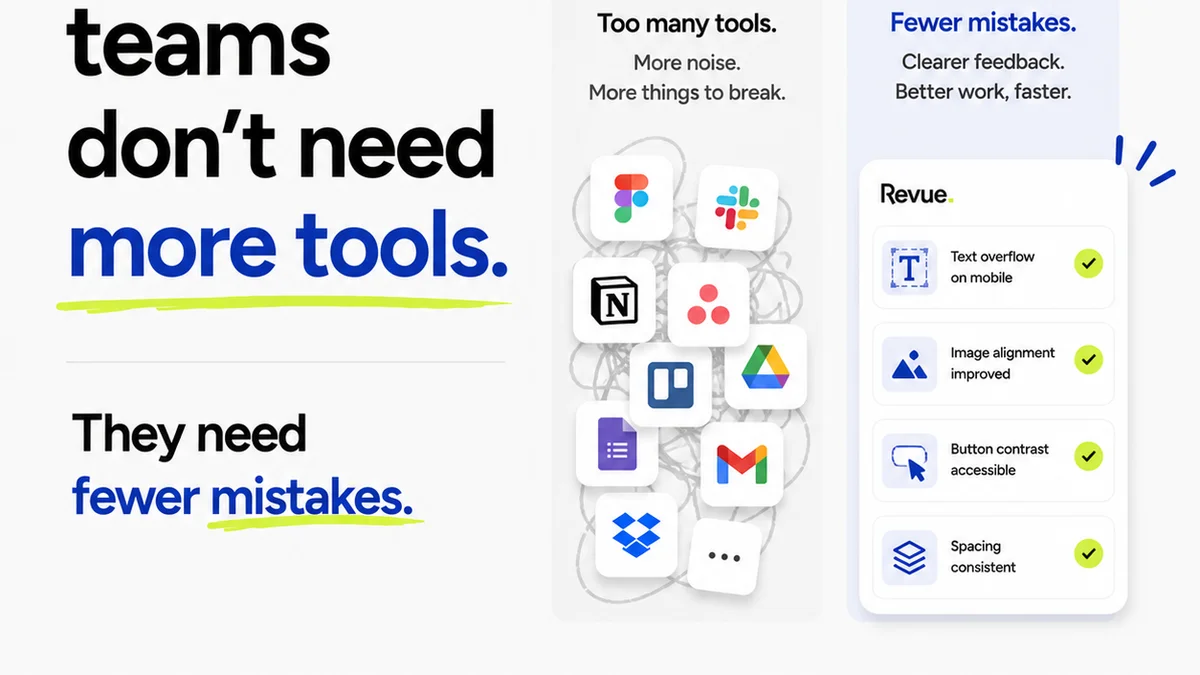
Everyone talks about creative governance. They preach process, checklists, and rigid frameworks. It sounds like a way to stifle creativity, doesn't it?
None of that is wrong. But it’s incomplete.
The hard truth is that effective creative governance isn’t about imposing rules; it's about establishing clarity and accountability. It’s the invisible infrastructure that allows great creative work to flow, not the fence that blocks it.
Without it, even the most talented teams descend into chaos. Feedback gets lost, revisions multiply, and deadlines slip. Sound familiar?
Let's cut through the jargon and talk about what actually works.
1. Define Your Creative Compass: Strategy First, Always
Before you can govern creative work, you need to know where you're going. This means a crystal-clear creative brief and an agreed-upon strategy.
This isn't just a formality. It’s the bedrock of all subsequent decisions. A weak brief guarantees a messy process.
The Brief as a Contract
Think of the creative brief not as a document, but as a contract. It defines the problem, the audience, the objectives, the key message, and the non-negotiables.
If the brief is: “Make something cool for Gen Z,” you’ve already failed.
A good brief includes:
- Specific, measurable objectives (e.g., increase website sign-ups by 15%).
- A clearly defined target audience (not just demographics, but psychographics and behaviors).
- Key performance indicators (KPIs) for success.
- Mandatories and constraints (brand guidelines, legal disclaimers, technical specs).
- Deliverables and timelines.
This initial clarity sets the stage for everything else. It’s the first line of defense against scope creep and subjective feedback.
2. Establish Clear Roles and Responsibilities
Who owns what? Who decides? Who approves?
Ambiguity here is a fast track to frustration and delays. Every stakeholder needs to understand their role in the creative process.
The Decision-Maker Spectrum
Not all feedback is created equal. Not all approvals carry the same weight.
You need to define:
- The Approver: The single point of contact with the ultimate sign-off authority.
- The Reviewer: Those who provide input and feedback, but don't have final say.
- The Stakeholder: Those who need to be informed but don't necessarily need to weigh in on creative execution.
This requires mapping out your stakeholders early. Understand their vested interests and their level of influence.
A common mistake is treating every piece of feedback as a mandate. This leads to a Frankenstein’s monster of conflicting ideas.
Your governance should empower the approver to filter and synthesize feedback effectively, ensuring it aligns with the original brief and strategic objectives. This isn't about ignoring input; it's about prioritizing it.
3. Standardize Feedback and Revision Cycles
Unstructured feedback is the enemy of efficiency. Vague comments like “I don’t like it” or “Make it pop more” are useless.
Your governance framework must dictate how feedback is given, received, and acted upon.
The Power of Specificity
Feedback needs to be:
- Actionable: What specifically needs to change?
- Objective: Grounded in the brief and strategy, not personal preference.
- Concise: Get to the point.
- Timely: Delivered within agreed-upon windows.
This is where tools can be invaluable. Centralized platforms allow for contextual comments, annotations, and clear version tracking. This eliminates the email chain nightmare.
Revision cycles should also be capped. Agree upfront on the number of revision rounds included. Anything beyond that triggers a change order or a re-brief.
This isn't to be difficult; it's to protect the project's scope, budget, and timeline. It respects the creative team's time and effort.
4. Implement Quality Assurance Gates
Governance isn't just about the creative process; it's about the final output. Quality assurance (QA) is a critical gate before anything goes live.
This involves checking:
- Technical Accuracy: Does it meet all technical specifications (file formats, resolutions, code)?
- Brand Compliance: Does it adhere to brand guidelines?
- Functional Correctness: If it's interactive, does it work as intended?
- Accessibility: Is it usable by people with disabilities? (See WCAG guidelines for reference).
- Legal/Compliance: Are all necessary disclaimers present? Does it avoid trademark infringement?
This QA process should be documented and followed consistently. It prevents embarrassing errors and ensures the work meets professional standards.
Think of it as the final polish. It’s the difference between good work and great, professional work.
5. Foster a Culture of Constructive Critique
Ultimately, creative governance is about people. It’s about how individuals and teams interact around creative work.
A healthy creative culture encourages honest, constructive feedback. It’s a place where critique is seen as a tool for improvement, not personal attack.
The Role of Psychological Safety
For this to work, psychological safety is paramount. Team members need to feel safe to voice concerns, challenge ideas respectfully, and admit mistakes without fear of retribution.
This is built through:
- Leadership by Example: Leaders must model constructive feedback and vulnerability.
- Clear Communication Channels: Make it easy to give and receive feedback.
- Focus on the Work, Not the Person: Frame feedback around the project goals and deliverables.
- Regular Retrospectives: Opportunities to reflect on what went well and what could be improved in the process.
When teams feel safe, they are more likely to identify potential issues early, leading to stronger creative outcomes.
Where Revue Fits In
Implementing robust creative governance practices can feel overwhelming, especially without the right tools. Managing feedback across endless email threads, deciphering conflicting comments, and tracking revision history can quickly devolve into chaos.
This is precisely why platforms like Revue exist.
Revue helps you centralize all client feedback in one place, tied directly to the creative asset. This means no more hunting for that crucial email or trying to piece together a decision from Slack messages.
You gain clear visibility into the revision and approval process. Everyone knows who needs to review, what feedback has been given, and what the current status is. This transparency reduces miscommunication and speeds up approvals.
Furthermore, by maintaining a clear record of feedback and changes, Revue supports your quality checks. You can easily reference the original brief, track how feedback was incorporated, and ensure the final output aligns with strategic goals and client requirements.
It transforms governance from a bureaucratic hurdle into a streamlined workflow, allowing your team to focus on what they do best: creating amazing work.
Final Thought
Creative governance isn’t about more rules; it’s about fewer misunderstandings. It’s about building a framework that respects both the creative process and the business objectives. Are you building a fence, or building a bridge?
Frequently asked questions
What is the primary goal of creative governance?
The primary goal of creative governance is to establish clarity and accountability within the creative process, ensuring that creative work aligns with strategic objectives, meets quality standards, and is delivered efficiently, rather than simply imposing rules.
How can I improve the quality of feedback I receive?
To improve feedback quality, standardize the feedback process. Train stakeholders to provide specific, objective, and actionable comments tied directly to the creative brief and project goals. Utilize tools that allow for contextual feedback directly on the creative asset.
What are the key roles in a creative governance structure?
Key roles typically include the Approver (final sign-off authority), Reviewers (provide input and feedback), and Stakeholders (need to be informed). Clearly defining these roles prevents confusion and streamlines decision-making.
How does creative governance help manage scope creep?
Creative governance helps manage scope creep by establishing a clear brief upfront, defining deliverables and revision cycles, and ensuring all feedback and changes are tracked against the original objectives. This makes it easier to identify and address requests that fall outside the agreed-upon scope.