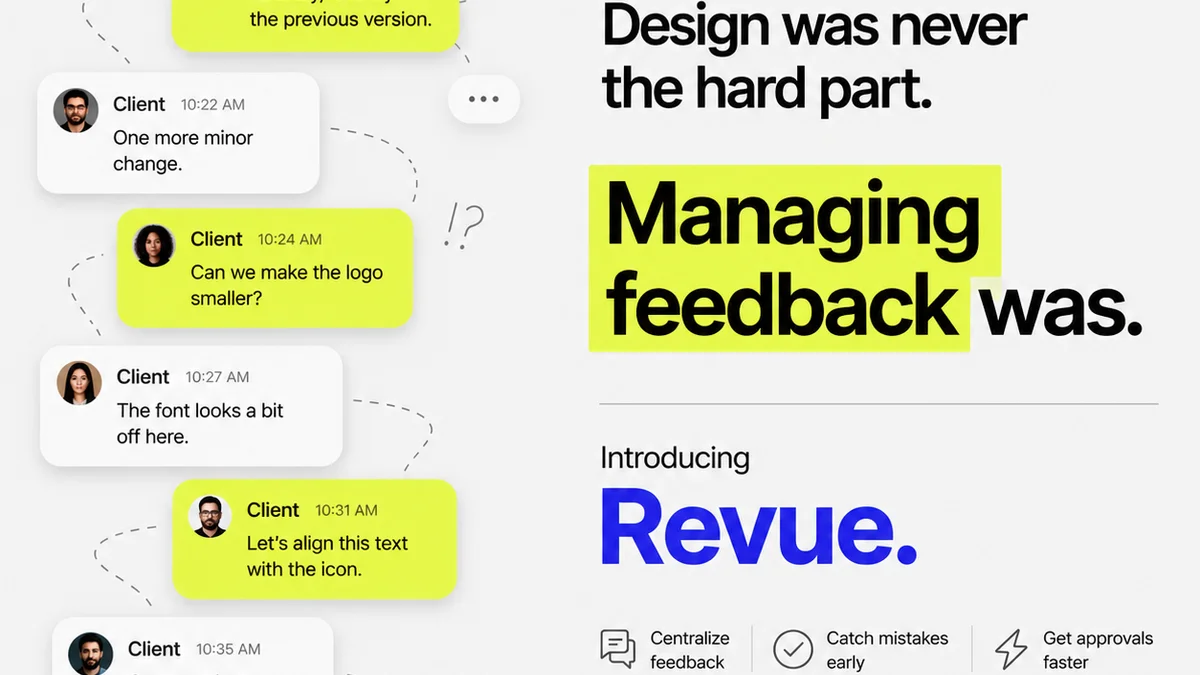
Everyone talks about creative governance as a set of rules, checklists, and templates. And none of that is wrong. But it’s incomplete.
The hard truth? True creative governance isn't about restriction; it’s about creating the conditions for consistent, high-quality output at scale. It’s a strategic operational framework, not just a compliance exercise.
1. The Illusion of Control: Why Processes Alone Fail
Many agencies believe that simply documenting their processes is enough. They create elaborate style guides, detailed brief templates, and multi-stage approval workflows. They think this is creative governance in action.
But what happens when those documents are ignored? When the brief template is filled out sloppily? When the approval stages get skipped because a client is
Frequently asked questions
What is creative governance software?
Creative governance software is a tool designed to help creative agencies and in-house teams manage and standardize their creative processes. It typically centralizes client feedback, streamlines revision and approval workflows, and aids in maintaining quality control across projects.
How does creative governance benefit an agency?
Effective creative governance leads to more consistent quality, reduced errors, faster turnaround times, improved client satisfaction, and better team collaboration. It helps prevent scope creep and ensures that creative output aligns with client objectives and brand standards.
What are the key features to look for in creative governance software?
Key features include centralized feedback and annotation tools, version control, clear revision and approval tracking, project status visibility, and integration capabilities with other project management or design tools. The ability to customize workflows is also crucial.
Can creative governance software help with client communication?
Yes, by centralizing all feedback and approvals in one place, creative governance software provides a single source of truth for clients and internal teams. This transparency reduces miscommunication, clarifies expectations, and speeds up the decision-making process.