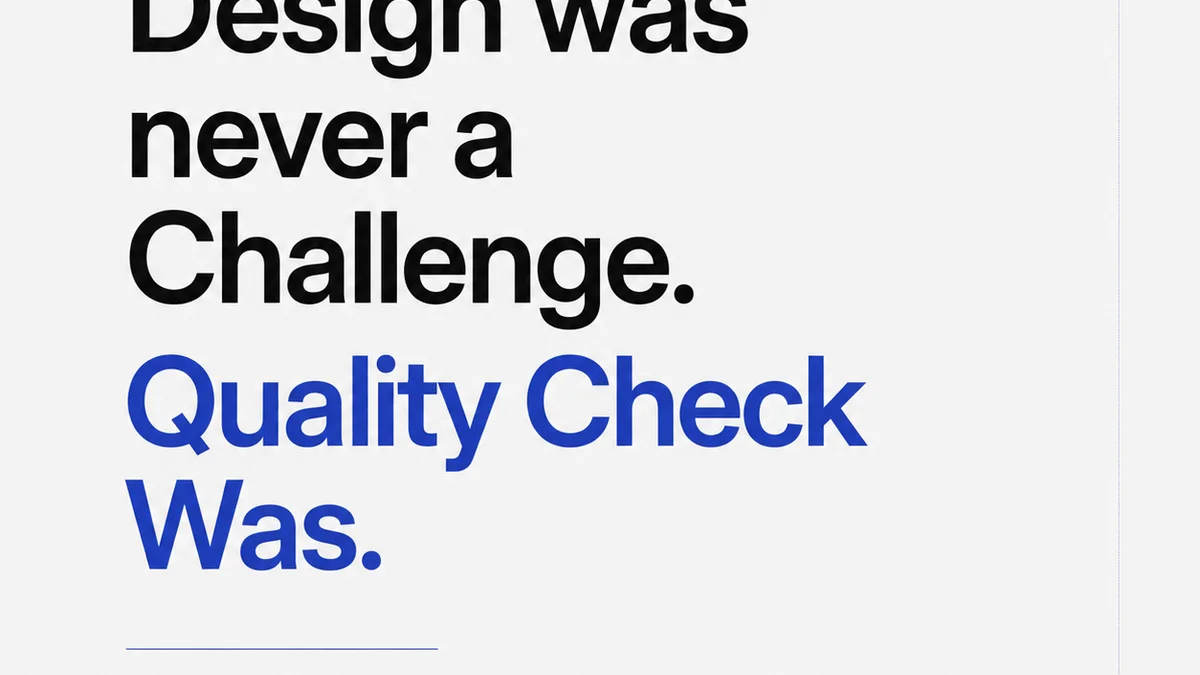
Everyone talks about creativity. The big ideas. The award-winning campaigns. The client-pleasing visuals. And yes, that’s the output everyone sees.
But there’s a quiet force that makes it all happen, consistently and profitably. It’s called creative operations. And most agencies treat it like an afterthought.
That’s the common assumption: creative operations is just project management, or maybe admin work. It’s the stuff that happens *after* the creative spark. None of that is wrong. But it’s incomplete.
The hard truth is, robust creative operations isn't just a support function. It’s a strategic imperative. It’s the engine that drives efficiency, profitability, and scalability in your agency. Without it, even the most brilliant creative teams will eventually hit a wall.
1. Beyond the Brief: The Real Meaning of Creative Operations
Creative operations (or “creops”) is the discipline of optimizing the processes, tools, and people involved in delivering creative work. It’s about making the creative process smoother, faster, and more predictable.
Think of it as the operating system for your creative department. It’s not about stifling creativity; it’s about enabling it to flourish by removing friction.
Common misconceptions:
- It’s just about project management software.
- It’s only for large agencies.
- It’s the job of a single person.
- It’s a burden on the creative team.
These views miss the mark. Effective creops is a holistic system.
The Core Pillars of Creative Operations
At its heart, great creative operations rests on a few key pillars:
- Process Standardization: Defining clear, repeatable workflows for common tasks.
- Technology Enablement: Selecting and implementing the right tools to support those workflows.
- Resource Management: Ensuring the right people are on the right projects at the right time.
- Performance Measurement: Tracking key metrics to identify bottlenecks and opportunities for improvement.
- Knowledge Management: Centralizing assets, best practices, and learnings.
When these pillars are strong, your agency can handle more work, deliver it faster, and do so with higher quality and profitability. That’s the real promise of creative operations.
2. The Cost of Neglecting Creative Operations
Agencies that skimp on creops pay a steep price. It’s not just about slightly longer timelines or a few missed deadlines. The impact is far more systemic.
What does a lack of solid creative operations look like in practice?
- Constant context switching for creatives, killing focus.
- Endless email chains and scattered feedback, leading to confusion and errors.
- Difficulty tracking project status, budget, and timelines.
- Overworked teams burning out due to inefficient workflows.
- Clients frustrated by slow responses and unclear revision processes.
- Missed opportunities to upsell or streamline client work.
- Inconsistent quality of final deliverables.
This isn't just noise. It’s a drag on your bottom line. Every hour spent chasing down feedback or redoing work is an hour not spent on billable creative tasks or strategic client engagement.
It also erodes client trust. When a client sees chaos behind the scenes, they wonder about the quality and reliability of the final product. They might tolerate it for a while, but eventually, they’ll look elsewhere for a more seamless experience.
3. Building Your Creative Operations Framework
Setting up a strong creops framework isn't about a massive overhaul overnight. It’s about identifying your biggest pain points and implementing targeted solutions.
Step 1: Audit Your Current Workflow
Before you can fix anything, you need to understand how things work now. Map out your typical project lifecycle from brief to final delivery.
Ask yourself:
- Where do projects get stuck?
- What are the most common sources of error or rework?
- Where do creatives spend the most time *not* creating?
- How is feedback collected and disseminated?
- What tools are currently in use, and how effectively?
Be brutally honest. This isn’t about blame; it’s about data.
Step 2: Define Core Processes
Based on your audit, start defining standardized processes for key areas. Don’t over-engineer it. Focus on clarity and repeatability.
Examples:
- Briefing: A standardized intake form and process.
- Feedback: A clear protocol for who gives feedback, when, and how it’s documented.
- Revisions: A defined number of revision rounds and how they are managed.
- Asset Management: A system for organizing and accessing final files.
- Quality Assurance: A checklist for final review before delivery.
Step 3: Select and Integrate Technology
Tools should support your processes, not dictate them. Choose technology that solves specific problems you identified.
Consider:
- Project Management: For tracking tasks, timelines, and resources.
- Communication & Collaboration: For streamlined team and client interaction.
- Asset Management: For storing, organizing, and versioning creative files.
- Feedback & Approval: For consolidating client input and sign-offs.
The key is integration. Tools that talk to each other reduce manual data entry and create a more unified workflow.
Step 4: Empower Your Team
Creative operations is not a solo sport. It requires buy-in and participation from everyone. Train your team on new processes and tools.
Clearly communicate the *why* behind these changes. Frame it as a way to help them do their best work with less frustration.
Designate a creops champion or lead if you don’t have a dedicated role. This person can help drive adoption and iterate on processes.
4. Where Revue Fits In
Managing client feedback, revisions, and approvals is often a major bottleneck. This is precisely where a platform like Revue can significantly enhance your creative operations.
Revue provides a centralized hub for all creative assets and client interactions. Instead of sifting through endless email threads or Slack messages, all feedback is captured in one place, directly on the work itself.
Imagine this:
- Centralized Feedback: Clients can leave comments and annotations directly on designs, videos, or documents. No more deciphering vague instructions from emails.
- Version Control: Easily track different versions of creative assets. Clients and your team always know they are working with the latest iteration.
- Clear Revision Tracking: See exactly which feedback has been addressed and which revisions are still pending. This clarity dramatically reduces misunderstandings.
- Streamlined Approvals: Formalize the sign-off process. Get clear, documented approvals, eliminating ambiguity about project completion.
- Visibility for All: Your team and your clients have a shared view of the project's progress and feedback history. This transparency builds trust and accountability.
By bringing structure to the often-chaotic feedback loop, Revue empowers your team to focus on creative execution rather than administrative overhead. It helps ensure that client input is captured accurately and acted upon efficiently, leading to faster turnarounds and happier clients.
5. Measuring Success in Creative Operations
How do you know if your creops efforts are actually working? You need to track key performance indicators (KPIs).
Focus on metrics that reflect efficiency, quality, and profitability:
- Cycle Time: The average time it takes to complete a project or a specific phase.
- Revision Rounds: The average number of revision cycles per project. Aim to reduce this.
- On-Time Delivery Rate: The percentage of projects completed by their deadline.
- Resource Utilization: How effectively your team’s time is being used.
- Client Satisfaction: Gather feedback on the process itself, not just the creative output.
- Error Rate: The frequency of errors or rework required due to miscommunication or process gaps.
Regularly review these metrics. Use them to identify areas for further process improvement. Great creops is not static; it’s iterative.
6. Scaling Your Agency with Strong Operations
The ultimate goal of strong creative operations is to build a scalable agency. One that can grow without breaking.
When your processes are clear, your tools are effective, and your team is aligned, you create capacity. Capacity to take on more clients, larger projects, and to onboard new team members efficiently.
Scalability means:
- Predictable Revenue: Consistent delivery leads to repeat business and referrals.
- Improved Profitability: Efficiency directly impacts your margins.
- Team Well-being: Reduced stress and burnout for your staff.
- Enhanced Client Relationships: A reputation for smooth, professional delivery.
- Sustainable Growth: The ability to grow without sacrificing quality or culture.
This isn't about becoming a factory. It's about building a well-oiled machine that allows your creative talent to do their best work, consistently and profitably.
Final Thought
Creativity is the heart of your agency. But operations are the circulatory system that keeps everything alive and flowing. Are you investing enough in the health of that system?
Frequently asked questions
What is the difference between creative operations and project management?
Project management focuses on the execution of specific projects, managing timelines, resources, and budgets for a single initiative. Creative operations is broader; it's the strategic discipline of optimizing the *entire* creative delivery system—including processes, tools, and people—to ensure consistent, efficient, and high-quality creative output across all projects.
How can a small agency benefit from creative operations?
Even small agencies face bottlenecks. Creative operations helps by standardizing intake, clarifying feedback loops, and choosing the right tools early on. This prevents chaos from creeping in as you grow, ensuring you can deliver consistently and professionally, which is crucial for gaining client trust and securing repeat business.
What are the most important metrics for tracking creative operations success?
Key metrics include cycle time (how long projects take), revision rounds (aiming to reduce them), on-time delivery rate, resource utilization, and client satisfaction specifically regarding the process. Tracking these helps identify inefficiencies and measure the impact of operational improvements.
How do I get my creative team to adopt new operational processes?
Communicate the 'why' clearly—emphasize how improved operations reduce frustration and allow them more time for actual creative work. Involve them in process design where possible, provide thorough training, and designate a champion to support adoption. Frame it as an enabler, not a constraint.