Everyone talks about creative operations efficiency. Streamline workflows, cut costs, deliver faster. It sounds good. It sounds right.
But if that’s all you’re focused on, you’re missing the point.
The real hard truth about creative operations best practices isn't about speed. It's about building a reliable, repeatable engine that can handle complexity, absorb unexpected changes, and consistently deliver high-quality creative work, project after project. It’s about resilience, not just velocity.
1. Define Your Core Processes (The Non-Negotiables)
You can’t optimize what you haven’t defined. Before you can even think about best practices, you need to map out your fundamental workflows. This isn’t about documenting every single micro-step, but about identifying the critical path for your most common project types.
Think about:
- Client Briefing & Intake
- Internal Kick-off & Brief Interpretation
- Concepting & Creative Development
- Internal Review & Feedback Cycles
- Client Presentation & Feedback Cycles
- Revision Rounds
- Final Delivery & Archiving
Each of these stages needs a clear owner, defined inputs, and expected outputs. Without this clarity, you’re just hoping things get done. That’s not operations; that’s chaos.
The Briefing Trap
A common failure point is the client brief. Agencies often assume a brief is a brief. It’s not. A poorly defined brief is the genesis of scope creep and endless revisions. Your operations must include a robust intake process that ensures every brief is comprehensive, actionable, and signed off *before* creative work begins.
This means:
- Standardized brief templates
- Mandatory fields for essential information (objectives, audience, deliverables, budget, timeline, key messaging, mandatory elements)
- A clear gatekeeper for brief approval
- Training for account managers on how to probe for missing information
This upfront investment prevents costly downstream problems.
2. Master Your Asset & Information Flow
Creative work is built on assets and information. Where are they? Who has them? Are they the latest versions?
Lost files, outdated logos, unclear feedback – these aren’t minor annoyances. They are operational breakdowns that kill productivity and morale. Best practices here revolve around centralization and version control.
Consider these areas:
- Asset Management: A single source of truth for all final creative assets. This isn't just a shared drive; it’s a system designed for discoverability and retrieval. Think DAM (Digital Asset Management) principles, even if you’re not using a full-blown DAM system yet.
- Project Documentation: All briefs, meeting notes, client communications, and approvals need to be easily accessible within the context of the project.
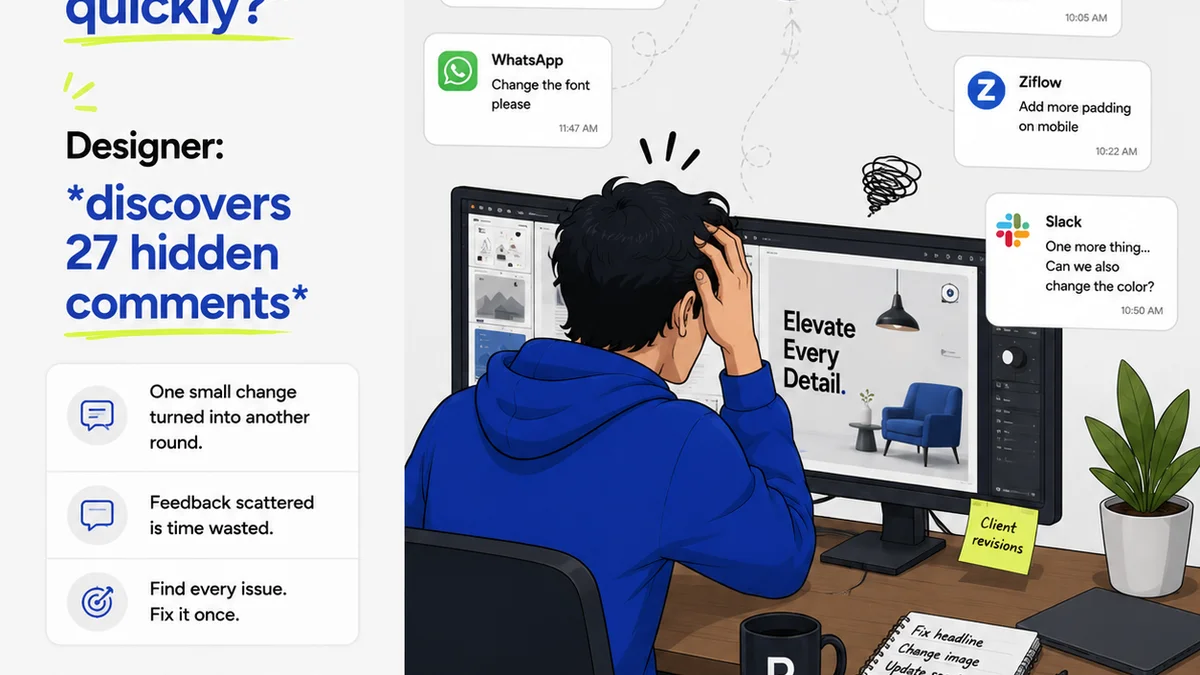
- Feedback Consolidation: Unstructured feedback from multiple channels (email, Slack, random comments) is toxic. You need a system to aggregate, clarify, and assign feedback.
The goal is to minimize the time your team spends searching for information or clarifying what version they should be working on. That time is expensive and better spent creating.
3. Implement Structured Feedback & Approvals
This is where many agencies truly falter. They treat feedback as an unstructured conversation. It’s not. It’s a critical gate in the production process that needs rigor.
Assumptions here are dangerous:
- “Clients know what they want.” (They often know what they *think* they want, which isn’t the same.)
- “More feedback is better.” (Not if it’s contradictory or unclear.)
- “We’ll just iterate until they’re happy.” (This leads to endless cycles and burnout.)
Best practices demand a structured approach:
The Single Source of Truth for Feedback
Feedback should be collected in one place, clearly linked to the specific creative element it refers to. It must be actionable and attributable. This means:
- Centralized Collection: Use a tool where clients can leave comments directly on the creative asset (e.g., a specific annotation on a design, a timestamped comment on a video).
- Consolidation & Clarification: Project managers or account leads must review all feedback, consolidate conflicting points, and ask clarifying questions *before* it hits the creative team.
- Clear Decision-Making: Define who has final approval. Is it one person? A committee? Ambiguity here leads to rework.
- Defined Revision Rounds: Clearly communicate the number of revision rounds included in the project scope and the process for requesting them.
This structured approach respects the client’s time and the creative team’s effort. It turns feedback from a potential roadblock into a productive step.
4. Build Quality Assurance (QA) into the Process
Too often, QA is an afterthought. A quick check before delivery. This is a mistake.
The assumption is that if the creative team followed the brief, the output will be correct. But errors happen. Typos, incorrect links, wrong specs, brand guideline violations – these slip through when QA isn’t a formal step.
Best practices for QA:
- Checklists: Develop detailed QA checklists tailored to different deliverable types (e.g., website, social media graphic, video ad). These should cover technical specs, content accuracy, brand compliance, and functional requirements.
- Dedicated QA Role: Even in small teams, designate someone responsible for QA. It might rotate, but it needs to be a clear responsibility.
- Pre-Flight Checks: For digital assets, ensure all links are live, tracking codes are implemented correctly, and files meet technical specifications.
- Proofreading: Content needs a dedicated proofread, separate from the initial copywriting or design pass.
A robust QA process protects your agency’s reputation and ensures the client receives exactly what they signed off on, without errors.
5. Foster Communication & Collaboration
Operations aren’t just about tools and processes; they’re about people. Effective creative operations rely on seamless communication and collaboration.
Silos kill creativity and efficiency. When designers don’t talk to copywriters, or account managers don’t loop in production, things break.
Best practices include:
- Regular Stand-ups: Short, focused daily or weekly meetings to discuss project status, blockers, and priorities.
- Cross-Functional Teams: Structure teams to include members from different disciplines working together from project start to finish.
- Shared Understanding of Goals: Ensure everyone on the team understands the project objectives and their role in achieving them.
- Accessible Information: Tools and processes should make it easy for anyone to get the information they need to do their job effectively.
Open communication reduces misunderstandings and speeds up problem-solving. It creates a more cohesive and productive team environment.
6. Embrace Adaptability & Continuous Improvement
The digital landscape and client needs are constantly evolving. Your creative operations must be able to adapt.
Rigid processes that can’t bend will eventually break. The best operations are agile.
This means:
- Regular Process Reviews: Schedule time (quarterly, bi-annually) to review your workflows. What’s working? What’s not? Where are the bottlenecks?
- Feedback Loops: Actively solicit feedback from your team about the operational processes. They are on the front lines and have valuable insights.
- Experimentation: Be willing to try new tools or methodologies. Not everything will stick, but you won’t find improvements if you don’t experiment.
- Training: Invest in training your team on new tools, techniques, and best practices in creative operations.
Your operations should be a living system, not a static document. Always look for ways to refine and improve.
Where Revue Fits In
Managing creative feedback, revisions, and approvals across multiple clients and projects can quickly become a tangled mess. This is precisely where a tool like Revue can transform your creative operations.
Revue provides a centralized platform designed to bring order to the creative chaos:
- Centralized Client Feedback: Instead of sifting through endless email chains or Slack messages, all client feedback is captured in one place, directly linked to the specific creative asset. This eliminates ambiguity and ensures nothing gets lost.
- Streamlined Revision & Approval Workflows: Clearly track the status of each revision round. Clients can review and approve work within the platform, providing a clear audit trail and reducing back-and-forth.
- Enhanced Quality Control: By having a clear record of feedback and approvals, you can more easily ensure that the final output matches the agreed-upon scope and requirements, acting as a final check before delivery.
By integrating tools like Revue, you move from reactive fire-fighting to proactive, structured creative operations. This frees up your team to focus on what they do best: creating exceptional work.
Final Thought
Creative operations best practices are not about imposing rigid bureaucracy. They are about building the scaffolding that allows creativity to flourish reliably. Are your operations a support structure, or are they an obstacle?
Frequently asked questions
What is the primary goal of creative operations?
The primary goal of creative operations is not just efficiency, but building a reliable, repeatable system that consistently delivers high-quality creative work, handles complexity, and adapts to change. It's about operational resilience.
How can agencies improve client feedback processes?
Agencies can improve client feedback by centralizing it in one place directly linked to the creative asset, consolidating conflicting points, clarifying with clients, and establishing clear approval authorities and defined revision rounds.
Why is quality assurance (QA) important in creative operations?
QA is crucial to catch errors like typos, incorrect links, or brand guideline violations before delivery. Implementing checklists, dedicated QA roles, and pre-flight checks protects agency reputation and ensures client satisfaction.
How does a tool like Revue help with creative operations?
Revue helps by centralizing client feedback, streamlining revision and approval workflows, and providing a clear audit trail. This reduces confusion, minimizes back-and-forth, and supports quality control by ensuring final deliverables match agreed-upon requirements.