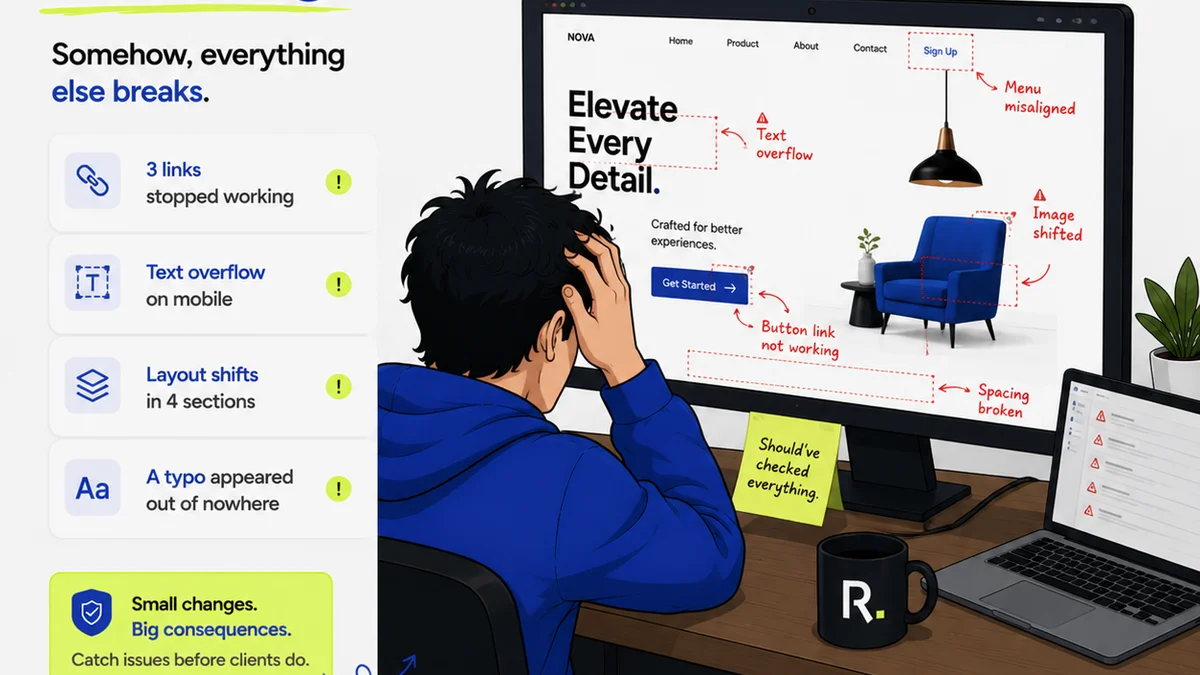
Everyone talks about creative operations. It’s the hot new thing, the silver bullet for agency chaos. You hear it’s about streamlining workflows, managing projects better, and using the latest software. None of that is wrong. But it’s incomplete. It misses the hard truth: creative operations isn't about the *how*, it's about the *why*.
The real power of creative operations lies in its ability to amplify your team's creative potential by removing the friction that kills good ideas. It’s about building systems that let creativity flourish, not just tick boxes.
1. The Myth of the 'Creative Genius'
We love the idea of the lone wolf, the visionary who conjures brilliance from thin air. Agencies and in-house teams often operate as if this is the norm, or at least the ideal. We celebrate the 'aha!' moments and the late-night sprints fueled by pure inspiration.
But that narrative is a dangerous oversimplification. It ignores the foundational work, the collaboration, the iteration, and the sheer grit that go into making truly great creative work. It also conveniently sidesteps the operational realities that often stifle that genius.
The Hidden Costs of 'Creative Freedom'
When operations are an afterthought, the costs pile up:
- Endless, unproductive revision cycles.
- Missed deadlines and rushed work.
- Client frustration and damaged relationships.
- Burnout among your creative team.
- Wasted resources on rework.
- Inconsistent quality.
This isn't a sign of a lack of talent. It's a sign of a broken system. The 'magic' we admire often happens *despite* the operational mess, not because of it.
2. Building a Resilient Creative Engine
Effective creative operations doesn't stifle creativity; it fuels it. It builds a resilient engine that can handle pressure, adapt to change, and consistently deliver high-quality output. This requires a shift in mindset from reactive problem-solving to proactive system-building.
Process as a Creative Partner
Think of your processes not as bureaucratic hurdles, but as guardrails and accelerators. They define the path, ensure everyone is moving in the right direction, and prevent the team from veering off into the weeds.
This means clearly defining:
- Intake and Briefing: How do projects start? Is the brief clear, comprehensive, and actionable? A weak brief guarantees a rocky road.
- Feedback Loops: Who gives feedback, when, and how? Is it consolidated, constructive, and objective? Ambiguous or conflicting feedback is a creativity killer.
- Revision Management: How are changes tracked and implemented? Are scope creep and endless iterations managed effectively?
- Approvals: What's the clear path to final sign-off? Are stakeholders identified and their input weighted appropriately?
- Asset Handoff: How are final files delivered? Are they correctly formatted and organized for their intended use?
Each of these stages, when optimized, removes friction and allows the creative team to focus on what they do best: creating.
The Role of Technology
Technology is a critical enabler, but it's not the solution itself. The best tools are useless if the underlying processes are flawed. Focus on adopting technology that supports your defined workflows, rather than trying to force your workflows to fit the tool.
Consider tools for:
- Project management and task tracking.
- Centralized client feedback and annotation.
- Version control and asset management.
- Resource planning and allocation.
- Automated quality assurance checks.
The goal is integration, not isolation. Tools should talk to each other, reducing manual data entry and creating a single source of truth.
3. The Human Element: Culture and Communication
Operations aren't just about software and spreadsheets. They are deeply intertwined with your team's culture and communication practices. A robust creative operations framework requires buy-in and active participation from everyone.
Fostering Collaboration, Not Command
True creative operations thrives on collaboration. It’s not about a single person dictating how things should be done, but about creating a shared understanding and commitment to efficient, effective workflows.
This involves:
- Clear Roles and Responsibilities: Everyone knows who is accountable for what at each stage.
- Open Communication Channels: Encourage feedback on processes themselves. Are there bottlenecks? What could be improved?
- Training and Onboarding: Ensure everyone understands the systems and their importance.
- Psychological Safety: Team members must feel safe to point out inefficiencies or suggest improvements without fear of reprisal.
When people understand *why* a process exists and see how it benefits them and the work, they are more likely to adopt it.
Managing Stakeholder Expectations
A significant portion of operational friction comes from external stakeholders – clients, other departments, etc. Effective creative operations means managing their expectations proactively.
- Educate clients on your feedback and approval process.
- Set clear timelines and deliverables.
- Establish a single point of contact for feedback consolidation.
- Be transparent about the impact of scope changes.
This requires confidence and clear communication, backed by solid operational practices.
4. Measuring What Matters
You can't improve what you don't measure. Creative operations provides the framework to track key performance indicators (KPIs) that directly impact profitability and team well-being.
Beyond Billable Hours
While billable hours are important, they don't tell the whole story. Look at metrics that reflect efficiency and quality:
- Project Cycle Time: How long does it take from brief to final delivery?
- Revision Count: How many rounds of revisions are typical per project? Are they within scope?
- On-Time Delivery Rate: How often are projects completed by the deadline?
- Resource Utilization: Are your team members overloaded or underutilized?
- Client Satisfaction Scores: Are clients happy with the process and the outcome?
- Internal Feedback: How does the team feel about the workflow?
Use this data not for punishment, but for identifying areas for improvement and celebrating successes.
Where Revue Fits In
Managing the intricate dance of client feedback, revisions, and approvals is a core challenge in creative operations. This is precisely where a platform like Revue becomes invaluable. Instead of chasing emails, sifting through scattered comments, and hoping everyone is working off the latest version, Revue centralizes everything.
It provides a single source of truth for feedback, making it clear, actionable, and trackable. This visibility streamlines the revision process, reduces ambiguity, and ensures that quality checks are performed on the most up-to-date creative assets. By consolidating these critical operational touchpoints, Revue empowers teams to move faster, reduce errors, and ultimately, deliver better work with less friction.
Final Thought
Creative operations isn't a department; it's a discipline. It’s the ongoing commitment to refining how creative work gets done. Are you building systems that empower your team to do their best work, or are you just managing chaos?
Frequently asked questions
What are the core components of creative operations?
Core components include intake and briefing, feedback and revision management, approval processes, asset delivery, resource allocation, and quality assurance. Technology and clear communication are crucial enablers for all these areas.
How does creative operations improve team efficiency?
By establishing clear processes, reducing ambiguity, centralizing communication, and leveraging technology, creative operations minimizes wasted time on rework, confusion, and administrative tasks, allowing the team to focus on creative output.
Is creative operations only for large agencies?
No, creative operations is essential for agencies and in-house teams of all sizes. Even small teams benefit from structured processes to manage projects, client feedback, and revisions more effectively, preventing chaos as they grow.
How can I measure the success of my creative operations initiatives?
Measure success through KPIs such as project cycle time, on-time delivery rates, number of revision rounds, resource utilization, client satisfaction scores, and internal team feedback on workflow efficiency.