Everyone talks about creative operations. They say it’s about efficiency. About streamlining workflows. About getting more done with less.
None of that is wrong. But it’s incomplete.
The hard truth? Creative operations is the operational backbone that enables creative *excellence*. It’s not just about speed; it’s about creating the conditions for brilliant work to emerge, consistently. It’s the difference between a frantic scramble and a predictable, high-performing creative engine.
1. What Creative Operations Really Is (Beyond the Buzzwords)
At its core, creative operations (often shortened to 'cre-ops') is the discipline of applying project management, business, and operational principles to creative work.
Think of it as the plumbing and electrical system of your creative department or agency. You don't see it daily, but without it, nothing works. It enables the magic, it doesn't create it. But it’s essential for the magic to happen reliably.
It encompasses:
- Resource management
- Process optimization
- Technology adoption
- Budgeting and forecasting
- Performance tracking
- Risk management
- Talent development
It’s the system that ensures creative teams can focus on creating, not on administrative chaos.
The Problem with Siloed Operations
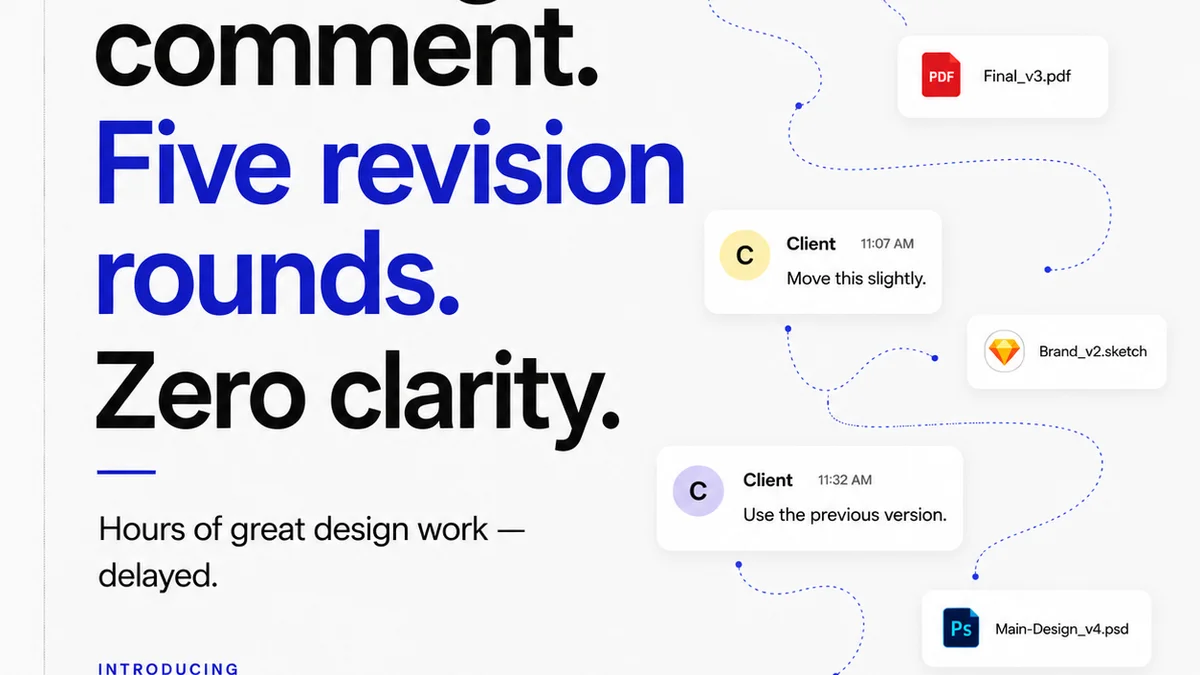
Many teams operate in silos. Design has its tools, copy has its workflow, and clients have their own methods of feedback. This creates friction.
Revisions get lost. Deadlines slip. The best ideas get buried under the weight of inefficiency.
This isn't just annoying; it directly impacts the quality of the final output and the morale of your team.
2. The Pillars of a Strong Creative Operations Framework
Building a robust cre-ops framework requires focusing on several key areas. These aren't sequential steps but interconnected pillars that support each other.
a. Process: The Workflow Blueprint
Processes are the defined pathways for creative work. They need to be clear, repeatable, and adaptable.
A good process isn't rigid; it's a flexible guide that prevents common errors. It ensures everyone knows their role, the next step, and the expected outcome.
Key elements of process design:
- Intake: How briefs are received and understood. Clarity here is paramount.
- Briefing: The critical step of translating client needs into actionable creative direction.
- Ideation & Concepting: Allowing space for creativity within defined parameters.
- Production: The execution phase, from drafting to final asset creation.
- Review & Feedback: Structured methods for gathering and acting on input.
- Revision & Approval: Clear stages for iteration and final sign-off.
- Delivery: Ensuring assets meet specifications and reach their destination.
Without documented processes, you’re relying on tribal knowledge, which is fragile and prone to inconsistency.
b. Technology: The Enabling Toolkit
Technology in creative operations is about selecting and integrating tools that support your processes, not dictate them.
The wrong tools add complexity. The right tools streamline collaboration, automate repetitive tasks, and provide visibility.
Consider these categories:
- Project Management: Tools like Asana, Monday.com, or Jira to track tasks and timelines.
- Asset Management (DAM): Central repositories for final creative files.
- Collaboration & Communication: Platforms for team discussions and file sharing.
- Feedback & Approvals: Specialized software for annotating and signing off on creative work.
- Creative Software: The core design, video, and writing tools your team uses daily.
Integration is key. Tools that talk to each other reduce manual data transfer and errors.
c. People: The Human Element
Operations must serve people, not the other way around. A cre-ops strategy that burns out your creatives is a failure.
This involves:
- Role Clarity: Ensuring everyone understands their responsibilities within the workflow.
- Skill Development: Investing in training for both creative and operational skills.
- Resource Allocation: Matching projects to the right talent based on skills and availability.
- Performance Management: Providing clear feedback and opportunities for growth.
- Culture: Fostering an environment where process is seen as an enabler, not a restriction.
Your cre-ops manager or lead is the conductor, ensuring all parts of the orchestra play in harmony.
d. Data: The Compass for Improvement
You can't improve what you don't measure. Data provides insights into bottlenecks, resource utilization, and project performance.
Key metrics to track:
- Project completion times
- Number of revisions per project
- Resource allocation vs. actual hours
- Client satisfaction scores
- Budget variance
This data isn't for blame; it's for identifying opportunities to refine processes and improve outcomes.
3. Common Creative Operations Pitfalls (And How to Avoid Them)
Even with the best intentions, cre-ops initiatives can falter. Recognizing these common traps is the first step to avoiding them.
a. Over-Engineering Processes
Creating complex, bureaucratic workflows that stifle creativity. The goal is clarity, not complexity.
Fix: Start simple. Document the essential steps. Get feedback from the team. Iterate.
b. Tool Sprawl
Adopting too many tools without a clear strategy, leading to confusion and integration issues. More tools don't equal more efficiency.
Fix: Audit your current tech stack. Consolidate where possible. Ensure new tools solve a specific problem and integrate with existing systems.
c. Neglecting the Human Factor
Focusing solely on efficiency metrics and forgetting that creative work is done by people who need autonomy, clear direction, and support.
Fix: Involve your creative team in process design. Ensure roles are clear and workloads are manageable. Champion psychological safety.
d. Lack of Buy-In
Implementing changes top-down without explaining the 'why' or involving the team. Resistance is natural when people don't understand the benefit.
Fix: Communicate the vision clearly. Highlight how new processes or tools will benefit individuals and the team. Celebrate early wins.
e. Ignoring Feedback Loops
Setting up a system and then never revisiting it. Processes and tools need to evolve as the team and business do.
Fix: Schedule regular retrospectives. Actively solicit feedback on what's working and what's not. Be prepared to adapt.
4. Where Revue Fits In
Managing creative feedback, revisions, and approvals is a notorious pain point in creative operations. Scattered emails, lost comments, and unclear sign-offs create endless friction.
Revue is built to address these specific operational challenges:
- Centralized Feedback: All client comments and stakeholder input live in one place, linked directly to the creative asset. No more hunting through email chains or Slack messages.
- Revision Visibility: Track every version of a creative piece, see the feedback that led to each revision, and understand the history of changes.
- Streamlined Approvals: Define clear approval workflows, get explicit sign-offs, and maintain an auditable trail. This eliminates ambiguity and accelerates the sign-off process.
- Quality Assurance: By ensuring feedback is captured, addressed, and approved systematically, Revue helps maintain the quality standards of your creative output.
It’s about bringing order to the often-chaotic review cycle, allowing your team to move forward with confidence.
5. Building Your Creative Operations Muscle
Creative operations isn't a one-time project; it's an ongoing discipline. It requires continuous attention and refinement.
Start by identifying your biggest operational pain points. Is it intake? Feedback? Resource allocation?
Pick one area and focus on improving it. Implement a small change, measure the impact, and then build from there.
Think of it like building physical muscle. You start with lighter weights, focus on form, and gradually increase the load. Consistency is more important than intensity.
Final Thought
Is your creative operations strategy designed to merely *manage* the chaos, or is it actively *engineering* for creative breakthrough? The distinction is subtle but profound.
Frequently asked questions
What is the main goal of creative operations?
The main goal of creative operations is to create the conditions for consistent creative excellence by applying business and operational principles to the creative process. This involves streamlining workflows, managing resources effectively, optimizing technology, and fostering a supportive team environment.
How does creative operations differ from project management?
While project management focuses on the execution of specific projects (scope, timeline, budget), creative operations is a broader discipline that encompasses the entire system supporting creative work. It includes project management but also strategy, technology, resource planning, and process optimization across multiple projects and the creative team as a whole.
What are the key benefits of implementing strong creative operations?
Key benefits include increased efficiency, improved creative quality, better resource utilization, enhanced team collaboration and morale, faster turnaround times, and greater client satisfaction. It helps move from reactive problem-solving to proactive, strategic execution.
How can a creative team start implementing better operations?
Start by identifying your biggest operational bottlenecks or pain points. Focus on improving one specific area, like standardizing the creative brief process or centralizing feedback. Involve your team in the process design, document the changes, and measure the impact before iterating or tackling the next challenge.