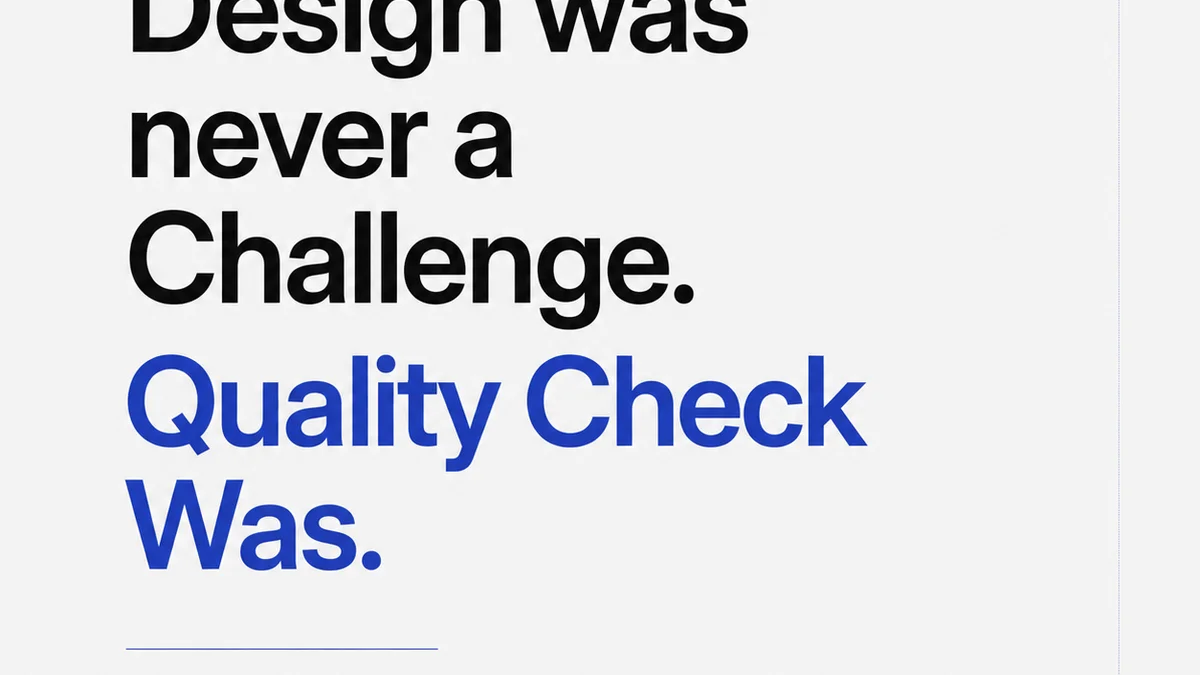
Everyone talks about creative operations. They say it’s about tools. Project management software, asset libraries, communication platforms. They say it’s about processes. Workflows, templates, approval chains.
None of that is wrong. But it’s incomplete.
The hard truth is that for in-house creative teams, creative operations is less about the mechanics and more about the magic. It’s about ensuring the actual creative work flows without friction, from spark to final delivery.
1. The Myth of the 'In-House Advantage'
In-house teams often believe they have an inherent advantage: proximity to the business. They're supposedly closer to stakeholders, understand brand strategy better, and can turn around requests faster.
This *can* be true. But it often isn't.
What usually happens is that proximity breeds proximity. Meetings multiply. Briefs become diluted. Stakeholders, feeling
Frequently asked questions
What is the main goal of creative operations for in-house teams?
The primary goal is to streamline the creative process, ensuring work flows efficiently from concept to completion, enabling the team to produce high-quality work consistently and on time.
How can in-house teams improve their creative operations?
Improvement comes from identifying bottlenecks, standardizing common tasks, implementing clear communication channels, centralizing feedback and approvals, and leveraging the right tools to support the workflow, not dictate it.
Is creative operations only about software and tools?
No, while tools are important, true creative operations focus on the people, processes, and strategic alignment that enable creative work to thrive. It's about optimizing the entire ecosystem of creation.
How does centralized feedback impact creative operations?
Centralized feedback eliminates confusion, reduces back-and-forth, ensures everyone is working from the latest version, and speeds up the revision and approval cycles, which are often major bottlenecks.