You've probably seen the standard creative operations manager checklist. It's full of things like 'track project timelines,' 'manage budgets,' 'schedule meetings,' and 'ensure deliverables are met.' None of that is wrong. But it’s incomplete.
The hard truth? A truly effective creative operations manager isn't just a scheduler or a budget tracker. They are the linchpin of agency resilience, the architect of efficient workflows, and the guardian of creative quality. Their checklist needs to reflect this deeper reality.
1. Proactive Risk Mitigation
Most checklists focus on reactive problem-solving. What happens when a deadline is missed? What do you do if a client is unhappy? A great creative ops manager focuses on preventing these issues before they even arise. This means building robust processes and anticipating potential roadblocks.
Identifying Bottlenecks
Where do projects consistently slow down? Is it client feedback loops? Internal review stages? Resource allocation? A proactive manager identifies these choke points and devises strategies to smooth them out. This isn't about blaming individuals; it's about optimizing systems.
Resource Management Foresight
Don't just assign tasks. Understand capacity. Do you have the right people with the right skills available for the next wave of projects? Are key team members over-allocated, risking burnout and errors? A comprehensive creative operations manager checklist includes regular capacity planning and skill gap analysis.
Client Communication Protocols
Ambiguous client communication is a breeding ground for scope creep and dissatisfaction. Establish clear protocols for how and when feedback is gathered, how revisions are logged, and what constitutes a final approval. This protects both the agency and the client.
2. Workflow Optimization and Standardization
Efficiency isn't magic; it's the result of well-defined, consistently applied processes. A creative operations manager's checklist should drive the standardization of how work gets done, from initial brief to final delivery.
Standardizing Intake and Briefing
Every project starts with a brief. Is yours comprehensive? Does it consistently capture all necessary information? A standardized intake form and briefing process reduces ambiguity from day one. This is crucial for setting clear project parameters and avoiding costly misunderstandings.
Establishing Review and Approval Gates
What does an internal review look like? Who signs off at each stage? How is client feedback consolidated and communicated? Clearly defined gates ensure that work is vetted systematically. This prevents subpar work from moving forward and reduces last-minute, high-pressure revisions.
Leveraging Technology for Efficiency
Are you using the right tools? Spreadsheets and email chains are not a scalable solution for managing complex creative projects. A smart ops manager evaluates and implements technology that streamlines collaboration, feedback, and asset management. This isn't about adopting every new tool; it's about strategic integration.
Consider the benefits of a centralized platform:
- Reduced time spent searching for information.
- Clearer visibility into project status for all stakeholders.
- Streamlined feedback loops, minimizing misinterpretations.
- Automated reminders for deadlines and approvals.
3. Quality Assurance and Creative Integrity
It's easy for operations to become purely about speed and budget. But without a focus on quality, efficiency is meaningless. A top-tier creative operations manager checklist includes mechanisms to uphold creative standards.
Defining Quality Metrics
What does 'good' look like for your agency? This goes beyond client satisfaction. Are projects meeting strategic goals? Is the creative execution aligned with the brand guidelines? Are there technical requirements (like accessibility or file formats) that must be met?
Implementing Quality Checks
Build quality assurance into the workflow, not as an afterthought. This could involve peer reviews, dedicated QA passes, or automated checks for specific requirements. For web projects, adherence to WCAG accessibility guidelines is paramount. For design systems, ensuring consistency with established principles is key.
Fostering a Culture of Excellence
Operations should support, not stifle, creativity. This means creating an environment where team members feel empowered to raise quality concerns and where innovation is encouraged. The ops manager facilitates this by removing process friction and ensuring resources are available for high-quality execution.
4. Team Enablement and Communication
Operations are executed by people. A successful creative operations manager understands that process is only as good as the team executing it. Their checklist must include elements that support and empower the team.
Clear Role Definition and Responsibilities
Does everyone know who is responsible for what at each stage of a project? Ambiguity here leads to dropped balls and duplicated effort. Clearly defined roles, documented in process flows, are essential.
Effective Communication Channels
How does information flow within the team and between teams? Are communication channels clear and utilized effectively? This involves not just having the right tools, but establishing norms for their use. For example, using a project management tool for task-specific updates and reserving email for broader announcements.
Training and Development Support
As processes evolve and new tools are adopted, teams need training. The ops manager should identify training needs and advocate for the resources required to keep the team skilled and adaptable. This supports both individual growth and overall team performance.
5. Where Revue Fits In
Managing creative projects effectively requires more than just a checklist; it requires the right tools to implement that checklist. This is where a platform like Revue becomes invaluable for creative operations managers.
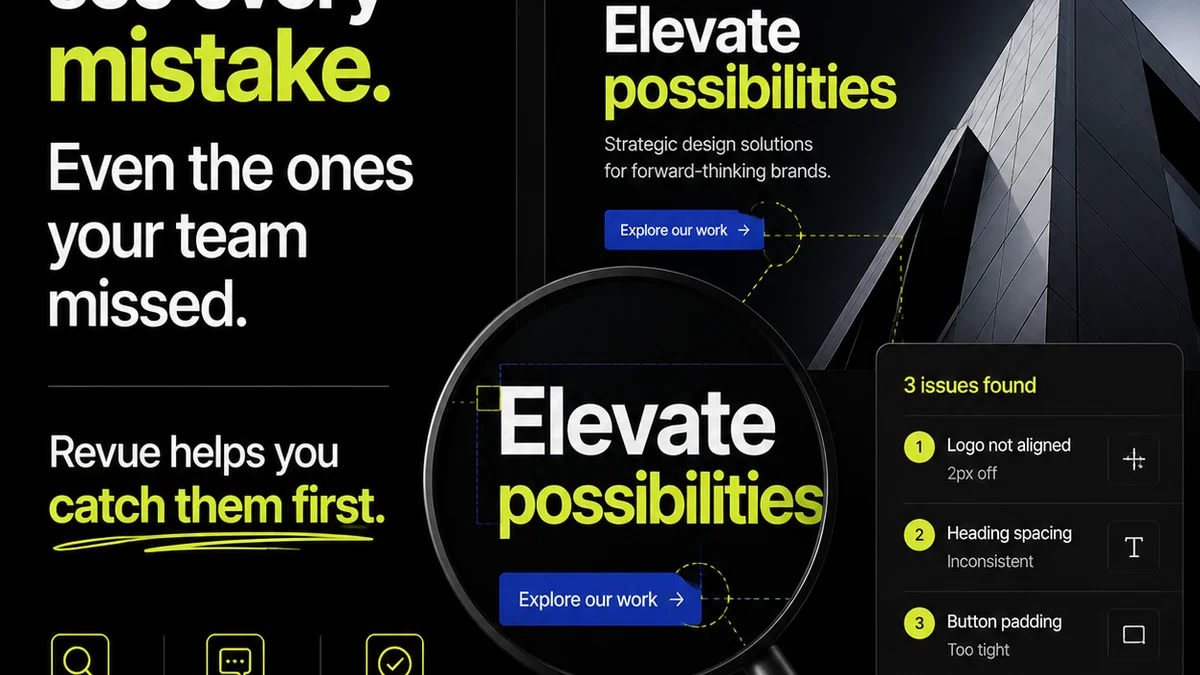
Revue provides a centralized hub for managing client feedback, revisions, and approvals. Instead of scattered email threads and confusing annotation layers, all feedback is consolidated in one place, linked directly to the creative asset.
This means:
- Centralized Feedback: No more hunting for comments across multiple platforms or email chains. All client input is in one organized location.
- Revision Visibility: Track the history of changes, understand the evolution of a design, and easily revert to previous versions if needed.
- Clear Approval Workflow: Define and manage approval stages, ensuring that work progresses only when all necessary sign-offs are obtained. This minimizes ambiguity and speeds up the decision-making process.
- Quality Control: By having a clear record of feedback and revisions, and by ensuring all feedback is addressed, you build quality checks directly into your workflow.
This level of control and clarity empowers creative operations managers to execute their checklists with greater precision and less friction, ultimately protecting creative output and client relationships.
Final Thought
Is your creative operations manager's checklist merely a task list, or is it a strategic blueprint for resilience, quality, and growth? The difference lies in moving beyond the obvious to address the underlying systems and human factors that truly drive success in a creative environment.
Frequently asked questions
What is the primary role of a creative operations manager?
A creative operations manager is responsible for ensuring the smooth and efficient execution of creative projects. This involves managing workflows, resources, timelines, budgets, and facilitating communication between creative teams and clients. They focus on optimizing processes to maximize creative output and maintain quality.
How does a creative operations manager contribute to quality control?
A creative operations manager implements quality assurance processes throughout the project lifecycle. This includes defining quality metrics, establishing review and approval gates, ensuring adherence to brand guidelines and technical standards, and fostering a culture where quality is prioritized. They help prevent subpar work from reaching clients.
What are the key differences between a basic and an advanced creative operations manager checklist?
A basic checklist focuses on task completion (timelines, budgets, meetings). An advanced checklist goes deeper, incorporating proactive risk mitigation, detailed workflow optimization, team enablement strategies, and mechanisms for maintaining creative integrity and quality. It views operations as a strategic function, not just an administrative one.
Why is proactive risk mitigation important for creative operations?
Proactive risk mitigation is crucial because it prevents issues before they impact projects, clients, or the team. By identifying potential bottlenecks, anticipating resource needs, and establishing clear communication protocols, operations managers can avoid delays, scope creep, budget overruns, and client dissatisfaction, leading to more predictable and successful project outcomes.