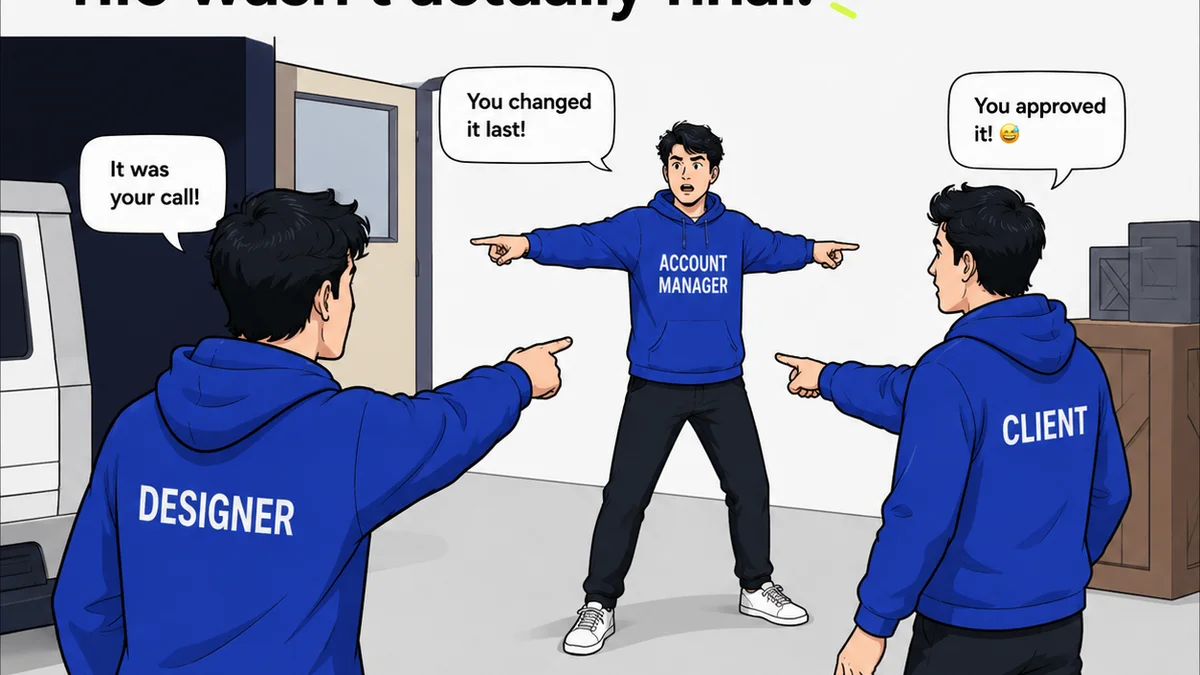
Everyone thinks the Creative Operations Manager is just the person who keeps the project timelines in check. The one who herds cats and makes sure deadlines aren't missed. That’s part of it, sure. But it’s a surface-level view.
The hard truth is, a great Creative Operations Manager builds the entire operating system for a creative team. They’re the architects of efficiency, the guardians of quality, and the catalysts for innovation.
1. Beyond the Gantt Chart: Strategic Workflow Design
Project management is tactical. Creative operations is strategic. It’s about understanding the *why* behind the *how*.
What are the bottlenecks in your creative process? Where does feedback get lost? How can approvals be streamlined without sacrificing quality?
A true ops manager doesn't just assign tasks; they analyze the flow of work from brief to final delivery. They identify inefficiencies that drain time and talent.
Common Workflow Pitfalls
- Fragmented communication channels
- Lack of clear roles and responsibilities
- Manual, repetitive tasks
- Poorly defined review and approval gates
- Inconsistent file management and version control
These aren't just minor annoyances. They’re systemic issues that stifle creativity and lead to burnout.
2. The Tech Stack Architect: Connecting the Dots
Creative teams today are drowning in tools. DAMs, PM tools, communication apps, design software, time trackers, budgeting tools… the list is endless.
The ops manager is the one who understands how these pieces fit together. Or, more importantly, how they *should* fit together.
It’s not about having the most tools; it’s about having the *right* tools, integrated effectively. This is where operational excellence begins.
Key Integration Points
- Connecting client brief intake to project management
- Linking design deliverables to review and approval workflows
- Integrating asset management with final output
- Ensuring seamless handoffs between different teams or disciplines
A fragmented tech stack creates friction. A cohesive one empowers the team.
3. The Quality Control Champion: Upholding Standards
Creativity thrives on freedom, but it also demands precision. The ops manager ensures that creative output meets rigorous standards.
This isn't about stifling ideas. It's about ensuring that brilliant ideas are executed flawlessly.
Think about brand guidelines, accessibility standards, technical specifications. These aren't optional extras; they're foundational.
Operational Checks and Balances
- Brand consistency audits
- Accessibility compliance reviews (WCAG guidelines are a great benchmark)
- Technical spec verification for various platforms
- Proofreading and error checking before final release
This function prevents costly rework and protects the client's brand integrity.
4. The Resource Alchemist: Optimizing Talent and Budget
Creative talent is the agency’s most valuable asset. And it’s expensive.
The ops manager ensures that this talent is deployed effectively. It's about matching the right people to the right tasks at the right time.
This also extends to budget management. Tracking project costs, forecasting resource needs, and identifying areas for cost savings without compromising quality.
It’s a delicate balancing act.
Resource Management Strategies
- Accurate project scoping and estimation
- Resource allocation based on skill sets and availability
- Monitoring team capacity to prevent overbooking
- Budget tracking and reporting for project profitability
This level of oversight allows for proactive adjustments, not reactive fire-fighting.
5. Where Revue Fits In
Centralizing client feedback is a massive operational challenge. It’s often scattered across emails, Slack messages, and random documents.
Revue offers a clear solution for this specific pain point.
It provides a single source of truth for all client feedback and revisions. This means less time spent chasing down comments and more time spent acting on them.
Visibility into the revision and approval process is critical. Revue offers that clarity. Teams can track the status of feedback, manage versions, and ensure that every iteration is accounted for.
Ultimately, this streamlines communication, reduces misunderstandings, and accelerates the path to final approval.
6. Fostering a Culture of Operational Excellence
A great ops manager doesn't just implement processes; they foster a mindset.
They champion clarity, communication, and continuous improvement.
They empower the creative team by removing obstacles and providing the structure needed to thrive.
This isn't about bureaucracy for its own sake. It's about creating an environment where creativity can flourish efficiently.
Final Thought
Is your Creative Operations Manager simply a project tracker, or are they the strategic architect of your team's success? The distinction matters more than you think.
Frequently asked questions
What's the difference between a Project Manager and a Creative Operations Manager?
A Project Manager typically focuses on the execution of specific projects, managing timelines, resources, and deliverables for that project. A Creative Operations Manager has a broader, more strategic role. They design, implement, and optimize the overall systems, processes, and workflows that enable the entire creative team to function efficiently and effectively, often overseeing multiple projects and the technology stack.
How does a Creative Operations Manager improve creative output?
By streamlining workflows, reducing administrative burdens, clarifying communication channels, and ensuring quality control, a Creative Operations Manager frees up creative talent to focus on ideation and execution. They remove bottlenecks and provide a stable operational foundation, allowing creativity to flourish without being hampered by inefficiency.
What are the key responsibilities of a Creative Operations Manager?
Key responsibilities include designing and refining creative workflows, managing and integrating the team's tech stack, establishing quality control standards, optimizing resource allocation (both human and financial), facilitating clear communication, and fostering a culture of operational excellence.
Can a small agency benefit from a Creative Operations Manager?
Yes, even small agencies can benefit. While a dedicated full-time role might be for larger teams, the principles of creative operations are crucial for any agency. A founder, operations lead, or even a senior project manager can adopt these responsibilities to improve efficiency, client satisfaction, and profitability.