Everyone talks about the creative operations manager. They’re the new essential role, the linchpin, the strategic partner. You’ve probably heard they streamline workflows, manage budgets, and ensure on-time delivery. None of that is wrong. But it’s incomplete.
The hard truth? A great creative ops manager doesn’t just *manage* operations; they fundamentally *improve* them. They’re not just process enforcers; they’re architects of creative efficiency and quality.
1. The Myth of the Purely Process Person
We often picture the ops manager as someone who loves Gantt charts and hates creative chaos. They’re seen as the gatekeeper of the calendar, the stern enforcer of timelines. This view is too narrow. It misses the core challenge: balancing structure with the inherently unpredictable nature of creativity.
Creative work isn’t like manufacturing widgets. It’s iterative, subjective, and often requires unexpected pivots. A manager who only understands linear processes will clash with the reality of creative production. They’ll become a bottleneck, not a facilitator.
The Real Role: Facilitator, Not Dictator
The best creative ops managers understand that their job is to create an environment where creativity can thrive, *within* a framework. They don’t dictate the creative process; they enable it.
- They anticipate bottlenecks before they happen.
- They identify opportunities for parallel processing.
- They know when to push back on a deadline and when to absorb a minor slip.
- They facilitate communication, not just track tasks.
This requires a deep understanding of the creative disciplines themselves—design, copywriting, video, etc. You can’t optimize what you don’t understand.
2. Mastering the Art of Feedback Loops
Client feedback. It’s the lifeblood of agency work, and often, the source of immense friction. A common assumption is that the ops manager simply collects and distributes feedback.
This is where most operations fall apart. Feedback, poorly managed, leads to:
- Endless revision cycles.
- Scope creep.
- Team burnout.
- Unhappy clients.
- Lower quality output.
The creative ops manager’s true skill lies not in simply passing messages, but in *structuring* the feedback process itself.
From Chaos to Clarity
This means implementing systems that ensure feedback is:
- Consolidated: All input in one place, no scattered emails or Slack messages.
- Actionable: Clearly defined, specific, and tied to project goals. Vague comments like “make it pop” are useless.
- Prioritized: Differentiating between critical changes and minor tweaks.
- Timely: Delivered within agreed-upon windows.
- Approved: With clear sign-off points to prevent scope creep.
This isn’t just about software; it’s about establishing clear protocols and expectations with both clients and internal teams. It requires diplomacy, clear communication, and a firm grasp of project objectives.
3. The Quality Control Conundrum
Many think quality control (QC) is solely the domain of the creative director or the final reviewer. The ops manager’s involvement is often seen as a final check on file formats or adherence to brand guidelines.
This is a missed opportunity. Quality isn't just a final stamp; it’s baked into the process. A proactive ops manager embeds quality checks throughout the project lifecycle.
Building Quality In, Not Bolting It On
How do they do this?
- Defining Standards Early: Ensuring creative briefs are crystal clear and measurable.
- Resource Allocation: Making sure the right people with the right skills are on the job.
- Mid-Project Checkpoints: Facilitating reviews that aren’t just about aesthetics but about strategic alignment and technical feasibility.
- Tooling for Consistency: Implementing style guides and asset management systems that ensure brand consistency across all deliverables.
- Process Audits: Regularly reviewing completed projects to identify where quality slipped and why.
This proactive approach prevents costly rework and ensures the final output consistently meets strategic goals and client expectations. It elevates the ops role from a taskmaster to a guardian of excellence.
4. Budgeting: Beyond the Spreadsheet
The ops manager is often seen as the budget watcher. They track hours, manage invoices, and report on spend. This is necessary, but it’s the superficial layer.
The deeper truth is that effective budget management in a creative context is about strategic resource allocation and risk mitigation.
Strategic Financial Oversight
A truly valuable ops manager uses budget data to inform decisions that impact creativity and profitability. This involves:
- Forecasting Accurately: Understanding project complexity and potential pitfalls to create realistic budgets, not just estimates.
- Identifying Efficiency Gains: Spotting where time or money is being wasted and proposing solutions. This might involve new tools, process tweaks, or better team structures.
- Scenario Planning: Budgeting for contingencies and understanding the financial impact of scope changes.
- Client Communication: Translating budget concerns into clear conversations with clients, managing expectations around cost and deliverables.
- Profitability Analysis: Understanding which types of projects are most profitable and why, feeding this insight back to leadership.
This isn't about cutting corners; it's about maximizing value. It's about ensuring that every dollar spent contributes directly to the project's success and the agency's bottom line.
5. The Human Element: Bridging Gaps
Perhaps the most overlooked aspect of creative operations is its impact on people. A poorly run operation breeds frustration, burnout, and resentment. A well-run one fosters collaboration, clarity, and a sense of accomplishment.
The ops manager is often the bridge between different departments, personalities, and working styles. They need to be more than just a process expert; they need to be a skilled communicator and mediator.
Cultivating a Productive Environment
This means:
- Clear Communication Channels: Ensuring information flows freely and accurately.
- Conflict Resolution: Helping teams navigate disagreements constructively.
- Onboarding Support: Making sure new team members understand workflows and expectations.
- Feedback Culture: Championing a culture where constructive feedback is welcomed and acted upon.
- Tool Adoption: Guiding teams through the implementation and use of new operational tools.
They are the grease in the gears, smoothing friction points so that creatives can focus on creating, not on navigating internal politics or bureaucratic hurdles.
Where Revue Fits In
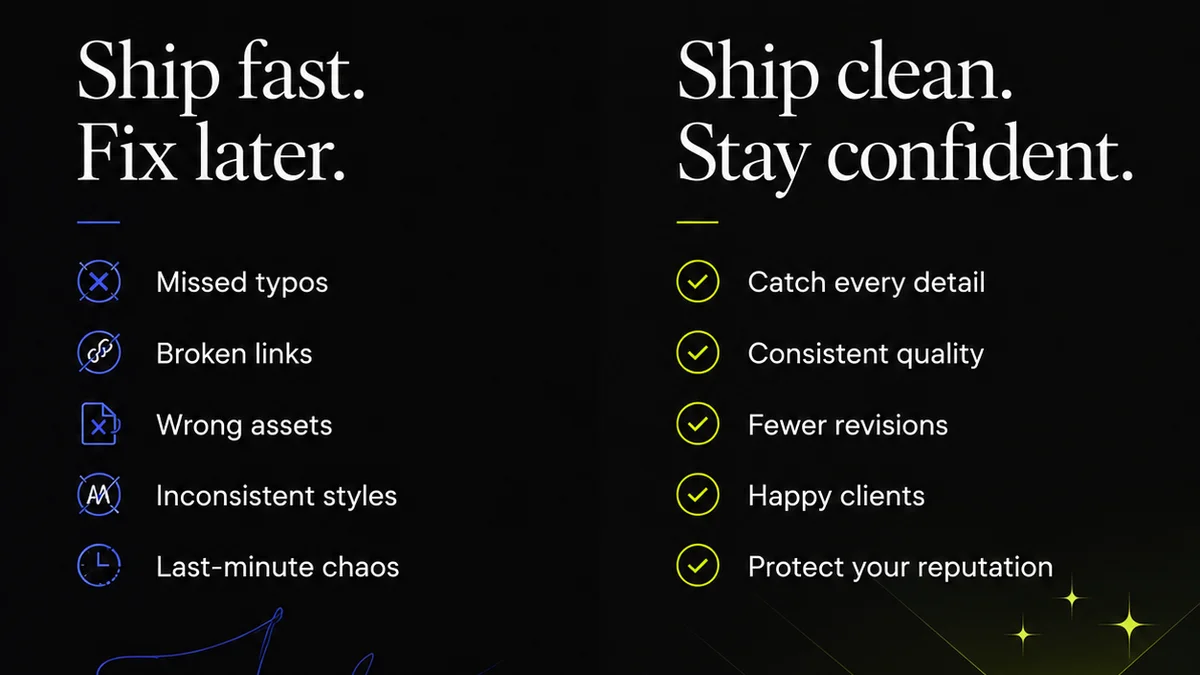
Managing the complex interplay of feedback, revisions, and approvals is central to effective creative operations. This is precisely where a tool like Revue can make a tangible difference.
Centralizing client feedback within a dedicated platform eliminates the scattered communication that plagues so many projects. When all comments, annotations, and decisions live in one place, the risk of misinterpretation or missed input drops dramatically.
Visibility into revision cycles becomes clear. You can track the history of changes, understand the rationale behind them, and ensure that approvals are formally logged. This not only streamlines the process but also provides an invaluable audit trail.
Furthermore, by providing a structured environment for feedback and approvals, Revue helps enforce the very quality checks that are so critical. It ensures that feedback is addressed, changes are validated, and the final output meets agreed-upon standards.
Final Thought
The creative operations manager is far more than a logistical cog. They are a strategic force multiplier, shaping the very environment in which creative work is produced. Their success hinges not on rigid adherence to process, but on the adaptive, insightful management of the complex, human-centric reality of creative production.
Are you treating your operations manager as a mere administrator, or empowering them as a true architect of creative success?
Frequently asked questions
What is the primary goal of a creative operations manager?
The primary goal is to optimize the creative process for efficiency, quality, and team well-being. This involves managing workflows, resources, communication, and feedback loops to ensure projects are delivered successfully and creatively.
How can a creative operations manager improve client feedback processes?
They can improve feedback by establishing clear protocols for submission, consolidation, and actionability. This includes defining what constitutes actionable feedback, setting timelines, and ensuring all input is tracked and addressed systematically, often using specialized tools.
What skills are essential for an effective creative operations manager?
Essential skills include strong project management, communication, problem-solving, and an understanding of creative disciplines. They also need to be adaptable, diplomatic, and possess a strategic mindset to balance process with creative needs.
How does a creative operations manager contribute to quality control?
They embed quality checks throughout the project lifecycle, from defining clear briefs to facilitating mid-project reviews and ensuring adherence to standards. This proactive approach prevents issues rather than just catching them at the end.