Everyone in the creative industry talks about “creative operations.” It sounds like the new hotness, a buzzword for optimizing workflows and making things run smoother. And yes, that’s part of it.
But that’s not the whole story. Not even close.
The real reason creative operations matters isn't just about shaving minutes off a task. It's about building a sustainable, predictable, and ultimately more creative agency or in-house team. It’s about moving from reactive chaos to proactive excellence.
1. The Illusion of Creative Freedom
There’s a common assumption: creativity and strict processes are enemies. That the messy, unpredictable nature of creative work can’t (and shouldn’t) be managed.
This leads to a dangerous myth: that the best creative output happens when artists and designers are left to their own devices, free from the “constraints” of operational structure.
This isn't just wrong; it's actively damaging.
Unmanaged creative work isn't freedom. It’s often a recipe for burnout, missed deadlines, and inconsistent quality. It’s a breeding ground for scope creep and client frustration.
The Hidden Costs of Chaos
What does this operational chaos actually look like?
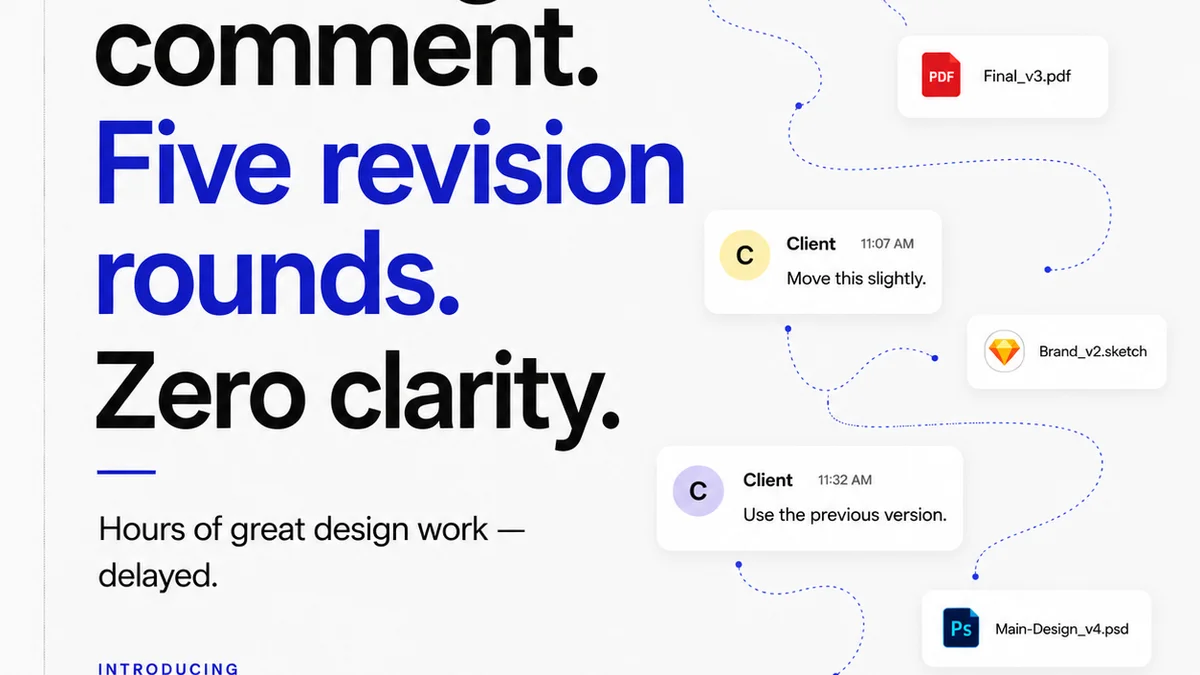
- Endless, unproductive revision rounds.
- Team members constantly pulled in different directions.
- Key stakeholders unaware of project status.
- Difficulty in forecasting capacity and timelines.
- Inconsistent client feedback loops.
- Errors slipping through the cracks because no one owns the quality check.
- Talent leaving due to stress and lack of clear direction.
These aren't minor inconveniences. They are systemic failures that erode profitability and morale.
True creative freedom doesn't come from a lack of structure. It comes from having a robust framework that handles the noise, so the creative minds can focus on the signal.
2. Defining the
Frequently asked questions
What is the primary goal of creative operations?
The primary goal of creative operations is to optimize the creative process, ensuring efficiency, consistency, and quality in creative output. It aims to remove bottlenecks and enable creative teams to focus on delivering high-quality work by managing resources, workflows, and technology effectively.
How does creative operations improve client satisfaction?
By streamlining communication, managing revisions efficiently, and ensuring timely delivery, creative operations directly impacts client satisfaction. Clear processes for feedback and approvals reduce misunderstandings and build trust, leading to happier clients.
Is creative operations only for large agencies?
No, creative operations is essential for agencies and in-house teams of all sizes. Smaller teams can benefit significantly from structured processes that prevent burnout and ensure consistency, allowing them to scale effectively.
What are the key components of a creative operations strategy?
Key components include workflow management, resource allocation, technology stack optimization, process standardization, quality assurance, and clear communication protocols. Centralizing feedback and approvals is also a critical element.