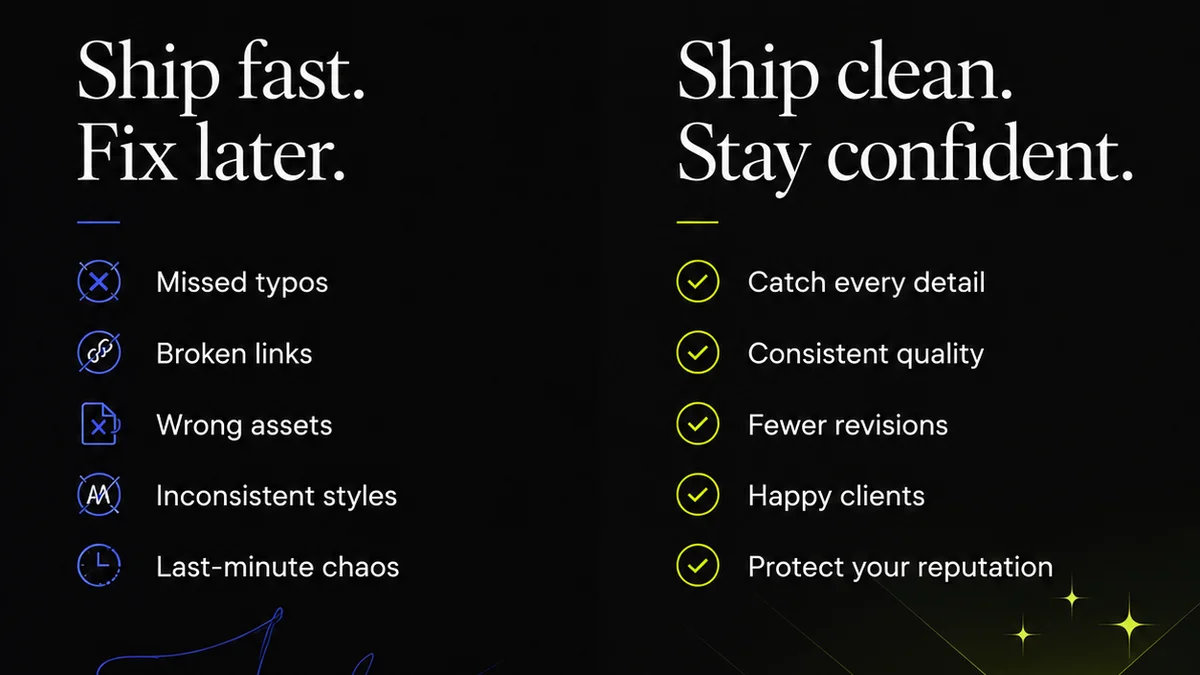
Everyone talks about creative operations software as the magic bullet for agency efficiency. You add it, and suddenly feedback is clear, revisions are managed, and approvals happen on time.
None of that is wrong. But it’s incomplete.
The hard truth? Most agencies buy software based on what it *promises*, not what their actual workflow *demands*. They chase features, then struggle to integrate them. The result isn't efficiency; it's just more complexity.
True creative operations software doesn't just offer a new way to manage tasks; it forces a better way to manage work. It’s about clarity, accountability, and reducing friction at every step of the creative process. Here’s how to cut through the noise and find software that actually delivers.
1. Centralized Client Feedback Isn't Optional
This is ground zero. If your client feedback lives in emails, Slack DMs, or worse, verbal notes, you're already losing. This chaos breeds misinterpretation, lost assets, and endless
Frequently asked questions
What are the core functions of creative operations software?
Core functions typically include centralized client feedback collection, revision and approval tracking, version control, task management, and reporting on project timelines and resource allocation.
How can software improve client feedback loops?
By providing a single, organized platform for all feedback, software reduces miscommunication, ensures all comments are captured, and allows for clear tracking of revisions directly on the creative assets.
Is it better to use a general project management tool or specialized creative operations software?
While general tools can work for basic tasks, specialized creative operations software is built to handle the unique nuances of creative workflows, such as visual annotation, versioning, and specific approval processes, leading to greater efficiency and fewer errors.
How does creative operations software help with quality control?
It provides a structured process for reviews and approvals, ensures all stakeholders sign off at key stages, and can integrate with checklists or templates to maintain brand consistency and adherence to project briefs.