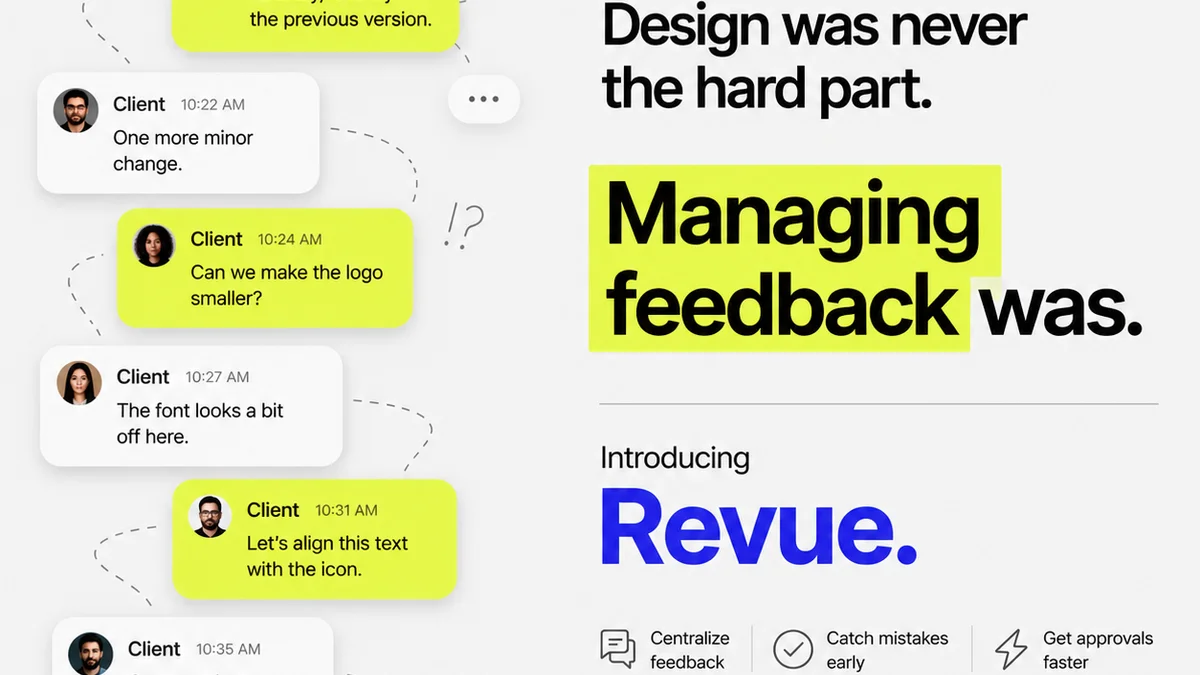
Everyone’s talking about creative operations trends. You see them in webinars, read them in industry reports, and hear them at conferences. The common wisdom? More AI, better automation, streamlined workflows.
None of that is wrong. But it’s incomplete.
The hard truth is that most creative operations trends are symptoms, not causes. The real challenge isn't adopting the latest tech; it's building a foundational system that can actually leverage it. It's about operational resilience.
1. The Myth of the 'All-In-One' Solution
The allure of a single platform to solve all creative production woes is powerful. Agencies and in-house teams are constantly searching for that magic bullet. The reality? No single tool perfectly addresses the complex, often messy, lifecycle of creative work.
Why the Search Continues
Creative projects involve distinct phases: ideation, briefing, creation, feedback, revision, approval, and delivery. Each phase has unique needs and often benefits from specialized tools. Trying to force a single tool to excel at all of them leads to compromises.
- Briefing tools might lack robust review capabilities.
- Project management software can struggle with granular creative feedback.
- Asset management systems often don't integrate deeply with design software.
This fragmentation isn't just inconvenient; it creates bottlenecks. Information gets lost. Revisions are tracked in emails, not alongside the creative. Approvals are a black box.
2. Feedback Loops Are the Real Bottleneck
The most common complaint in creative production? Vague, contradictory, or delayed feedback. This isn't a minor annoyance; it's a productivity killer that impacts timelines, budgets, and morale.
The Cost of Poor Feedback
When feedback is unclear, the design team has to guess. This leads to extra rounds of revisions, often going in circles.
- Wasted Time: Designers redo work based on unclear instructions.
- Budget Overruns: Extended revision cycles cost more in billable hours or internal resources.
- Client Frustration: Clients get annoyed by the lack of progress.
- Team Burnout: Constant rework and unclear direction wear down creatives.
Many so-called
Frequently asked questions
What are the biggest challenges in creative operations today?
The biggest challenges often stem from fragmented workflows, unclear client feedback, inefficient revision and approval processes, and a lack of centralized project visibility. Many teams struggle to integrate new technologies effectively without addressing these foundational issues.
How can AI truly improve creative operations?
AI can enhance creative operations by automating repetitive tasks like asset tagging, generating initial drafts, analyzing performance data, and even assisting with quality control checks. However, its effectiveness hinges on having well-defined processes and clean data to feed into the AI systems.
Is a centralized feedback system really necessary?
Yes, a centralized system is crucial. It eliminates the chaos of scattered feedback across emails, chat, and documents. Centralization ensures all stakeholders see the same version, feedback is contextualized directly on the creative, and revision history is transparent, drastically reducing miscommunication and wasted effort.
How do I measure the success of my creative operations improvements?
Measure improvements by tracking key metrics such as project turnaround time, number of revision cycles per project, client satisfaction scores related to the process, team utilization rates, and on-time delivery percentages. Compare these metrics before and after implementing changes.