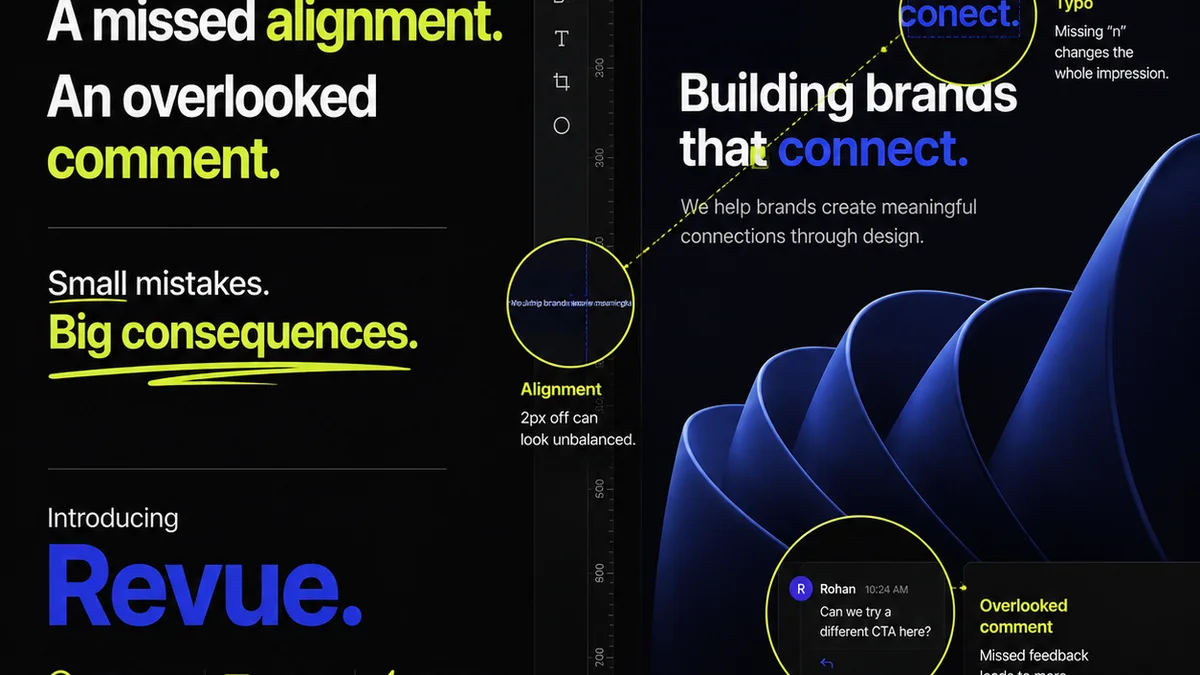
Everyone talks about the latest creative operations trends. Automation. AI. Project management software. Digital asset management. It sounds like a futuristic utopia where everything runs itself. None of that is wrong. But it’s incomplete.
The real trend in creative operations isn't a tool; it's a fundamental shift in how we think about workflow. It's about moving from reactive problem-solving to proactive system design.
1. The Myth of the 'Set It and Forget It' Workflow
Many agencies chase the idea of a perfect, automated workflow. They invest in software, hoping it will magically fix all their bottlenecks. Then they’re surprised when the same old problems reappear.
Why?
- People still resist change.
- Processes aren't truly understood.
- Tools are implemented without strategy.
- Communication breaks down.
- Bad habits persist.
This isn't a tech problem. It's a human problem. And human problems require more than just new software.
The Hard Truth: Workflow is a Living System
Your creative operations are a living system. They need constant attention, iteration, and adaptation. A workflow implemented today will be outdated tomorrow.
The real trend is building a culture of continuous improvement. It’s about empowering your team to identify issues and experiment with solutions.
2. Feedback Loops: The Unsung Hero of Creative Ops
Client feedback is the lifeblood of creative work. But how it’s managed is a major operational bottleneck. Scattered emails, endless Slack threads, conflicting notes on shared docs – it’s chaos.
Many agencies assume more feedback channels mean better clarity. The opposite is often true. More channels mean more noise and less accountability.
Operationalizing Feedback
Effective creative operations means structuring feedback. Not just collecting it, but organizing it, prioritizing it, and ensuring it’s acted upon clearly.
This involves:
- Centralizing all client communication related to a project.
- Establishing clear points of contact for feedback.
- Defining what constitutes actionable feedback versus subjective opinion.
- Creating a system for tracking feedback and revisions.
- Ensuring all stakeholders see the same version of truth.
This isn't about making feedback difficult. It's about making it precise and efficient.
3. The Evolution of the Creative Director Role
The creative director’s role is changing. It’s no longer just about creative vision and mentorship. Now, it’s also about operational oversight.
Many CD's are drowning in administrative tasks. They’re bogged down by:
- Chasing down approvals.
- Mediating feedback disputes.
- Managing resource allocation.
- Tracking project timelines.
This pulls them away from what they do best: guiding creative strategy and inspiring their teams.
From Creative Lead to Operational Architect
The best creative leaders are becoming operational architects. They design systems that free them up to focus on high-value creative work.
This means:
- Delegating operational tasks effectively.
- Leveraging technology to automate administrative burdens.
- Championing clear, efficient processes.
- Understanding the impact of operations on creative output.
This isn't a demotion; it's an evolution. It’s about leading with both vision and efficiency.
4. Quality Assurance: More Than Just a Final Check
QA is often seen as the last step before delivery. A quick once-over to catch typos or broken links. But great creative operations embed quality throughout the entire process.
Treating QA as an afterthought leads to:
- Last-minute rushes and stress.
- Missed errors that damage client trust.
- Rework that eats into margins.
- Burnout for the QA team (or whoever is stuck with it).
Building Quality In, Not Checking It Out
The trend is to integrate quality checks at every stage. This means:
- Clear briefs with defined success criteria.
- Regular internal reviews, not just client reviews.
- Standardized checklists for common deliverables.
- Automated checks where possible (e.g., accessibility).
- A culture where everyone is responsible for quality.
This proactive approach prevents problems before they start, saving time, money, and sanity.
5. The Rise of Specialized Roles
The
Frequently asked questions
What are the biggest challenges in creative operations today?
Common challenges include managing client feedback effectively, ensuring consistent quality across projects, optimizing resource allocation, streamlining revision cycles, and integrating new technologies without disrupting existing workflows.
How can agencies improve their client feedback process?
Agencies can improve client feedback by centralizing communication, establishing clear feedback guidelines, defining actionable feedback, and using tools that provide visibility into the revision and approval process. This reduces ambiguity and speeds up iterations.
What is the role of technology in modern creative operations?
Technology, including project management software, DAM systems, and communication platforms, plays a crucial role in automating tasks, enhancing collaboration, centralizing assets and feedback, and providing data for process optimization. However, technology is a tool, not a solution in itself.
How can creative directors adapt to evolving operational demands?
Creative directors can adapt by focusing on operational architecture, empowering their teams to manage processes, leveraging technology to reduce administrative burdens, and championing a culture of continuous improvement. This allows them to focus more on strategic creative leadership.