Everyone’s talking about the latest creative operations trends. AI in workflows. Hyper-personalization. Seamless cross-channel integration. It sounds cutting-edge. Revolutionary, even.
None of that is wrong. But it’s incomplete. It’s a surface-level view of what’s happening in creative operations.
The hard truth? The real shifts aren't in the flashy new tools. They're in the fundamental, often unglamorous, operational bedrock that supports creative output. They’re about efficiency, clarity, and control.
1. Centralized Feedback Loops Are Non-Negotiable
The dream is a smooth, linear creative process. The reality? Feedback often arrives in disjointed emails, Slack messages, and random calls. This fragmentation kills momentum and breeds misinterpretation.
Effective creative operations demand a single source of truth for all feedback. This isn't just about convenience; it’s about reducing errors and saving precious time.
The Symptoms of Fragmented Feedback
- Endless revision cycles based on misunderstood comments.
- Key stakeholders missed, leading to last-minute roadblocks.
- Difficulty tracking who said what and when.
- Lost feedback in overflowing inboxes or chat histories.
- Teams working off outdated versions due to unclear approval statuses.
This chaos isn't a minor annoyance. It’s a direct hit to your bottom line, increasing project costs and delaying market entry.
2. Revision and Approval Visibility is Paramount
You might think your team is agile. But are your clients? Are your internal stakeholders?
The ability to see the exact status of revisions and approvals at any given moment is critical. Without it, you're flying blind.
Why Visibility Matters
- Clients get frustrated waiting for updates they can’t see.
- Internal teams can’t plan dependencies without knowing what’s approved.
- Managers spend too much time chasing down status reports.
- The risk of duplicating work or making changes to already-approved elements increases dramatically.
This isn’t about micromanagement. It’s about transparency and proactive project management. It builds trust and streamlines the entire delivery process.
3. Quality Assurance is an Operational Pillar, Not an Afterthought
Many teams treat QA as the final hurdle. A quick check before launch. This is a mistake. Quality assurance needs to be baked into the workflow from the start.
This means establishing clear, repeatable processes for checking creative output against client briefs, brand guidelines, and technical specifications.
Integrating QA Effectively
- Define clear acceptance criteria upfront for every project.
- Implement staged review gates, not just a final sign-off.
- Automate checks where possible (e.g., accessibility checks, file format validation).
- Ensure a consistent review process for all creative assets.
- Train reviewers on brand standards and technical requirements.
A robust QA process prevents costly errors, protects brand integrity, and ensures client satisfaction. It’s proactive risk management.
4. Workflow Automation: The Right Tools, The Right Way
The trend is toward automation. But it’s not about adopting every shiny new tool. It’s about identifying specific bottlenecks and automating them strategically.
Think less about AI replacing creatives, and more about automating the repetitive, administrative tasks that drain creative energy.
Areas Ripe for Automation
- File organization and version control.
- Status updates and notifications.
- Basic proofing and annotation.
- Reporting on project progress and resource allocation.
- Onboarding new clients or projects with standardized templates.
The goal is to free up your team to focus on high-value creative work, not to replace human ingenuity. Smart automation supports, it doesn’t supplant.
5. Scalable Resource Management
Growth is the goal. But can your operations scale with it?
Many agencies and in-house teams hit a wall when demand increases. They lack the systems to efficiently allocate talent, manage workloads, and onboard new projects without a significant dip in quality or turnaround time.
Building Scalability
- Maintain a clear overview of team capacity and individual workloads.
- Develop standardized project intake and scoping processes.
- Cross-train team members to improve flexibility.
- Utilize project management software to track assignments and deadlines effectively.
- Establish clear communication channels for workload adjustments and escalations.
Scalability isn't just about hiring more people. It’s about building operational muscle that can handle increased volume without breaking.
6. Data-Driven Decision Making in Creative
Gut feeling has its place. But relying solely on intuition for creative operations is a risky bet.
The trend is towards using data to inform decisions about project timelines, resource allocation, and even creative direction. This requires capturing and analyzing relevant operational data.
What Data to Track
- Project completion times vs. estimates.
- Number of revisions per project.
- Client feedback turnaround times.
- Resource utilization rates.
- Common points of friction in the workflow.
This data isn't just for reporting. It’s for identifying inefficiencies, predicting future challenges, and making smarter operational choices.
Where Revue Fits In
Operational trends often sound complex. But the core needs are simple: clarity, control, and efficiency.
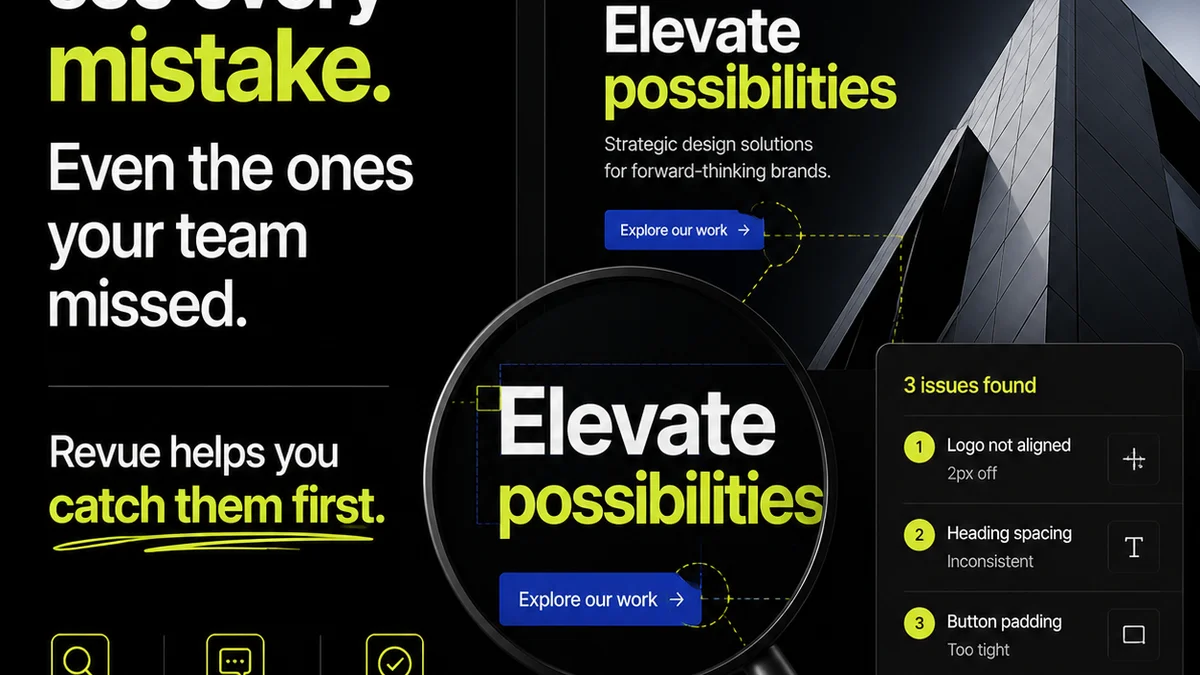
Revue is built to address these fundamental operational challenges head-on. It provides a centralized hub for managing client feedback, ensuring every comment is captured, tracked, and acted upon. The clear visibility into revision stages and approval statuses eliminates guesswork and keeps projects moving.
By streamlining the feedback and approval process, Revue directly supports better quality assurance and reduces the friction that slows down creative delivery. It helps operationalize the creative process, allowing teams to focus on what they do best.
Final Thought
The real creative operations trends aren’t about the next big software update. They’re about mastering the fundamentals. Are your operations built on a solid foundation, or are you just chasing the latest shiny object?
Frequently asked questions
What are the most critical creative operations trends for agencies in 2024?
Beyond buzzwords like AI, the most critical trends focus on core operational strengths: centralized feedback, clear revision/approval visibility, integrated quality assurance, strategic workflow automation, scalable resource management, and data-driven decision-making. These fundamentals drive efficiency and profitability.
How can I improve my team's feedback process?
Implement a centralized system for all client and stakeholder feedback. This eliminates fragmented communication across emails, chats, and calls. Ensure all feedback is captured, tracked, and assigned, providing a clear audit trail and reducing misinterpretations.
What is the role of automation in creative operations?
Automation in creative operations should focus on tackling repetitive, administrative tasks that drain creative energy. This includes things like file organization, status notifications, basic proofing, and reporting. The goal is to free up your team for higher-value creative work, not to replace their ingenuity.
Why is visibility in revisions and approvals so important?
Visibility ensures transparency for clients and internal teams. It reduces frustration, prevents duplicate work, and allows for better project planning by clearly showing what has been approved and what still needs attention. It's key for maintaining momentum and trust.