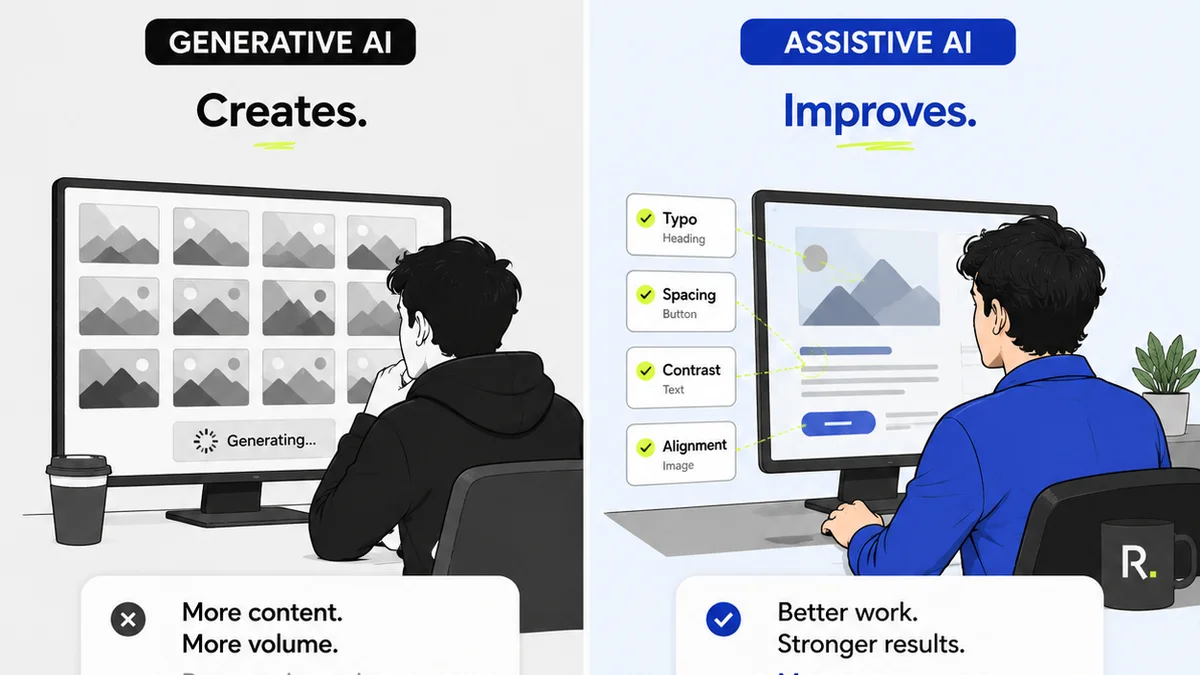
Everyone’s talking about creative operations trends. You see the shiny new software, the AI promises, the streamlined workflows. It’s easy to assume that adopting the latest tools is the magic bullet for agency chaos.
None of that is wrong. But it’s incomplete.
The real truth is that trends are just symptoms. The underlying disease is often a lack of clear processes, inconsistent communication, and a failure to truly understand how creative work gets done – and approved – within your walls. Software doesn’t fix bad operations; it amplifies them. Good software, however, can supercharge great operations.
1. The Illusion of 'All-in-One'
The biggest trend is the promise of a single platform to rule them all. Project management, client feedback, asset storage, time tracking, billing – it’s all supposed to live in one magical dashboard.
And yes, integrated platforms are powerful. But chasing the mythical ‘all-in-one’ solution can lead you down a rabbit hole of compromise. You end up with a tool that’s ‘good enough’ at everything, but exceptional at nothing.
Think about it:
- Does your current PM tool have robust version control for design files?
- Does your feedback tool integrate seamlessly with your DAM?
- Does your time tracker offer the granular detail needed for project profitability analysis?
Often, the answer is no. The ‘all-in-one’ tool forces you to adapt your workflow to its limitations, rather than the other way around.
The Hard Truth: Specialization Wins
The best creative operations software isn't necessarily the one that does everything. It's the one that excels at a critical part of your workflow and integrates intelligently with other best-in-class tools.
Consider the core needs of creative production:
- Clear Briefing: Getting requirements right upfront.
- Efficient Collaboration: Keeping clients and teams in sync.
- Streamlined Approvals: Reducing back-and-forth.
- Organized Assets: Ensuring easy access and version control.
- Accurate Tracking: Understanding time and resources.
You might need a dedicated tool for client feedback, another for robust project management, and a third for digital asset management. The key is how well they talk to each other.
2. Feedback is King (and Often a Mess)
Client feedback is the lifeblood of agency work, but it's also a notorious bottleneck. Emails get lost, comments are vague, and version confusion reigns supreme.
Creative operations trends highlight the need for structured feedback loops. This means moving beyond simple email threads or scattered Slack messages.
What does structured feedback look like?
- Contextual annotations directly on the creative asset.
- Clear status indicators for feedback rounds.
- Centralized communication tied to specific deliverables.
- Automated notifications for outstanding feedback.
If your current system relies on deciphering cryptic client notes from a forwarded email chain, you’re not operating efficiently.
The Software Solution: Visual & Contextual
Look for software that allows for visual, in-context feedback. Tools that let clients click directly on a design, a video frame, or a webpage section to leave a comment are invaluable.
This eliminates ambiguity. Instead of “The logo is too big,” you get a precise markup on the exact element that needs adjustment.
Furthermore, the system should track feedback history. Who said what, when, and what was the resolution? This audit trail is crucial for managing scope creep and protecting your team.
3. The Rise of Automation (Where It Actually Matters)
AI and automation are buzzwords in every industry, and creative operations is no exception. But let’s be clear: AI isn't going to design your next campaign (yet).
The real value of automation in creative operations lies in the mundane, repetitive tasks that drain your team’s energy and introduce errors.
Think about:
- Automated file naming conventions.
- Automated version control updates.
- Automated notifications for approaching deadlines or stalled tasks.
- Automated client onboarding checklists.
- Automated reporting on project status or team utilization.
These aren’t glamorous, but they are the bedrock of smooth operations. Freeing up your creative directors and project managers from manual busywork allows them to focus on strategic oversight and creative direction.
Focus on Process, Not Just Promises
When evaluating software for automation, ask: “What specific, time-consuming task does this automate?” Don’t get swayed by vague promises of ‘efficiency.’
Look for tools that offer:
- Workflow triggers based on task completion.
- Automated routing of assets to the next stage.
- Smart notifications that reduce manual check-ins.
- Integration capabilities that allow data to flow between systems, reducing manual re-entry.
The goal is to reduce friction, not add another layer of complexity.
4. Visibility is Non-Negotiable
If you can’t see it, you can’t manage it. This is the fundamental principle behind effective creative operations.
Are projects on track? Are resources allocated effectively? Where are the bottlenecks? Without clear visibility, you’re flying blind.
Trends in creative operations software are all pushing towards greater transparency.
What does visibility mean in practice?
- Real-time project dashboards.
- Clear workload indicators for team members.
- Up-to-the-minute status on client approvals.
- Financial overviews showing budget vs. actuals.
- Resource allocation views across all active projects.
If your team is still relying on weekly status meetings and manually compiled spreadsheets to understand project health, you’re lagging behind.
Dashboards That Actually Inform
The software you choose must provide actionable insights, not just data dumps. A good dashboard should:
- Highlight potential risks (e.g., a project falling behind schedule, a team member overloaded).
- Show key performance indicators (KPIs) relevant to your agency’s goals.
- Allow for filtering and drill-down to understand the root cause of issues.
- Be customizable to surface the information most critical to different roles (e.g., account managers, creatives, leadership).
Without this level of insight, you’re constantly reacting instead of proactively managing.
5. Integration: The Glue That Holds It Together
We touched on this earlier, but it bears repeating. The idea of a monolithic, perfect, all-encompassing creative operations platform is largely a myth. The reality is a connected ecosystem of specialized tools.
Therefore, the most critical feature of any creative operations software you consider is its ability to integrate with your existing stack.
Think about the tools you already rely on:
- Your design software (Adobe Creative Cloud, Figma).
- Your communication tools (Slack, Teams).
- Your file storage (Google Drive, Dropbox, Box).
- Your accounting software.
If a new tool doesn’t play nicely with these, it creates more work, not less.
API First Thinking
Look for software with robust APIs (Application Programming Interfaces) or pre-built integrations. This allows different applications to communicate and share data seamlessly.
Key integration points include:
- Project Management <-> Time Tracking: Automatically log time against specific tasks.
- Feedback Tool <-> DAM: Ensure the latest approved version is easily accessible.
- PM Tool <-> Communication Tool: Post task updates automatically to Slack channels.
- Asset Management <-> Design Software: Pull assets directly into design projects.
Seamless integration reduces manual data transfer, minimizes errors, and ensures that information is consistent across all platforms.
Where Revue Fits In
Navigating these creative operations trends can feel overwhelming. You’re trying to balance client demands, team capacity, and the constant evolution of technology.
Revue was built to address the core friction points in creative workflows, particularly around client feedback and approvals.
We provide:
- Centralized Client Feedback: A single source of truth for all client comments, annotations, and decisions, directly on the creative asset. No more digging through emails or Slack.
- Revision & Approval Visibility: Clear tracking of feedback rounds, revisions made, and final approvals. Everyone knows where things stand, reducing confusion and speeding up the process.
- Quality Assurance Support: By providing a structured environment for feedback and approvals, Revue helps ensure that work meets client expectations before final delivery, minimizing costly revisions later.
Our focus is on simplifying the most complex part of creative collaboration – getting clear, actionable feedback and moving towards approval efficiently. We integrate with the tools you already use, ensuring your operational data flows smoothly.
Final Thought
The real trend in creative operations isn't about adopting the flashiest new software. It’s about building resilient, transparent, and efficient processes that empower your team and delight your clients.
Software is the enabler, not the solution itself. Are you investing in tools that support your processes, or are you hoping new tools will magically create them?
Frequently asked questions
What are the most important creative operations trends for agencies in 2024?
Key trends include the move towards more integrated yet specialized software, the critical need for structured and contextual client feedback, the practical application of automation for routine tasks, enhanced visibility into project status and resource allocation, and the increasing importance of seamless tool integration via APIs.
Should I look for an all-in-one creative operations platform?
While tempting, a true 'all-in-one' platform often means compromising on specific functionalities. It's generally more effective to build a stack of best-in-class tools that excel in their respective areas and integrate well with each other. Focus on tools that solve your biggest pain points exceptionally well.
How can software improve client feedback processes?
Software can significantly improve client feedback by offering visual, in-context annotation tools directly on assets, centralizing all communication, tracking feedback history, and automating notifications. This reduces ambiguity and speeds up the revision cycle compared to traditional email or chat methods.
What kind of automation is most valuable in creative operations?
The most valuable automation focuses on eliminating repetitive, low-value tasks. This includes automated file naming, version control updates, task notifications, client onboarding steps, and data synchronization between systems. This frees up your team for more strategic and creative work.
Why is integration so important for creative operations software?
Integration is crucial because it creates a connected ecosystem where data flows seamlessly between tools. This reduces manual data entry, minimizes errors, ensures consistency, and provides a holistic view of your operations. Look for software with robust APIs or pre-built integrations.