Everyone’s talking about optimizing their creative operations workflow. You hear about agile, lean, Six Sigma, and a dozen other methodologies promising to cut waste and boost output. It sounds great. Like a magic bullet for agency chaos.
None of that is wrong. But it’s incomplete.
The hard truth? True creative operations excellence isn’t about adopting a trendy framework. It’s about building a system that anticipates problems, empowers your team, and delivers consistently brilliant work without burning everyone out.
1. The Illusion of Speed: Why Rushing Kills Quality
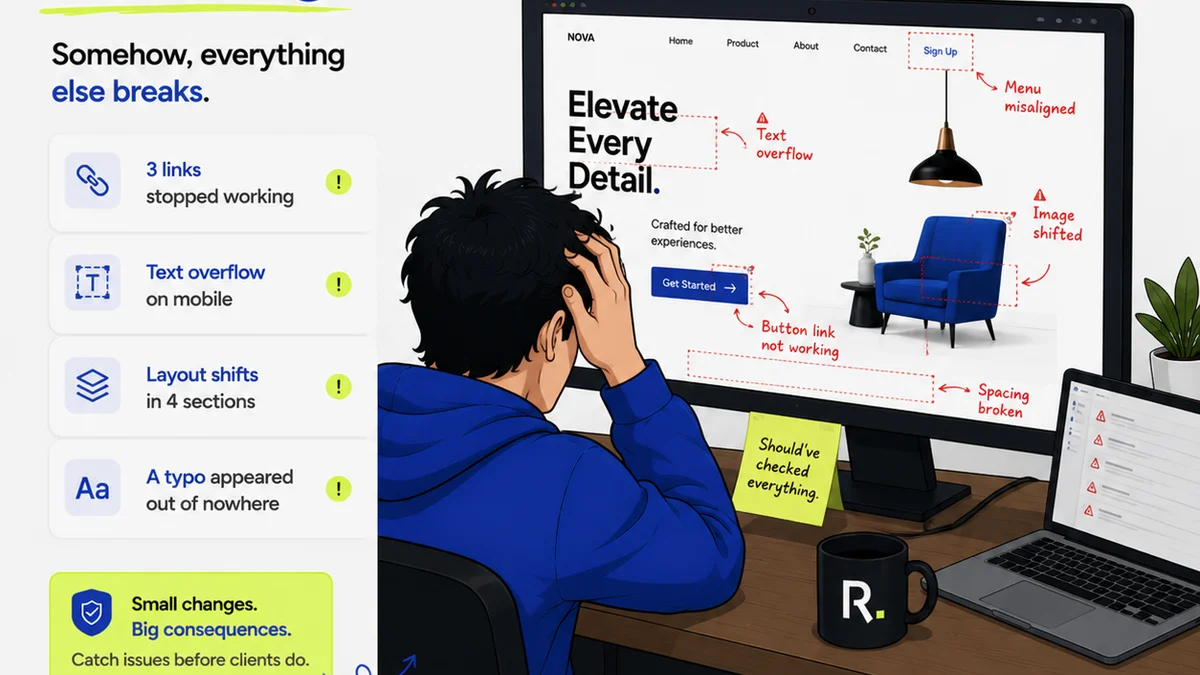
The common assumption is that faster means better. More projects out the door, more revenue, happier clients. But this often leads to a frantic pace where corners are cut, feedback is rushed, and the final output suffers.
This frantic pace creates a cycle of rework and client dissatisfaction. It's not efficient; it's just busywork disguised as progress.
The Symptoms of Speed Sickness
- Constant
Frequently asked questions
What is the most critical element of a creative operations workflow?
Clarity and communication. Without clear briefs, defined roles, and open channels for feedback, even the most sophisticated workflow will falter. Centralizing communication and feedback is key.
How can I improve my creative operations workflow without expensive software?
Start by mapping your current process. Identify bottlenecks and areas of confusion. Standardize your brief templates, establish clear approval stages, and train your team on communication protocols. Even simple checklists and shared documents can make a difference.
What are the biggest mistakes agencies make in their workflow?
Assuming everyone understands the process, lacking a clear intake system for new projects, not having a defined revision and approval process, and failing to track project performance. Essentially, it's a lack of systemization and oversight.
How does client feedback fit into a good workflow?
Client feedback should be structured and consolidated. Instead of scattered emails and calls, feedback should be collected in one place, clearly attributed, and reviewed before action. This prevents misinterpretations and ensures all stakeholders are aligned.