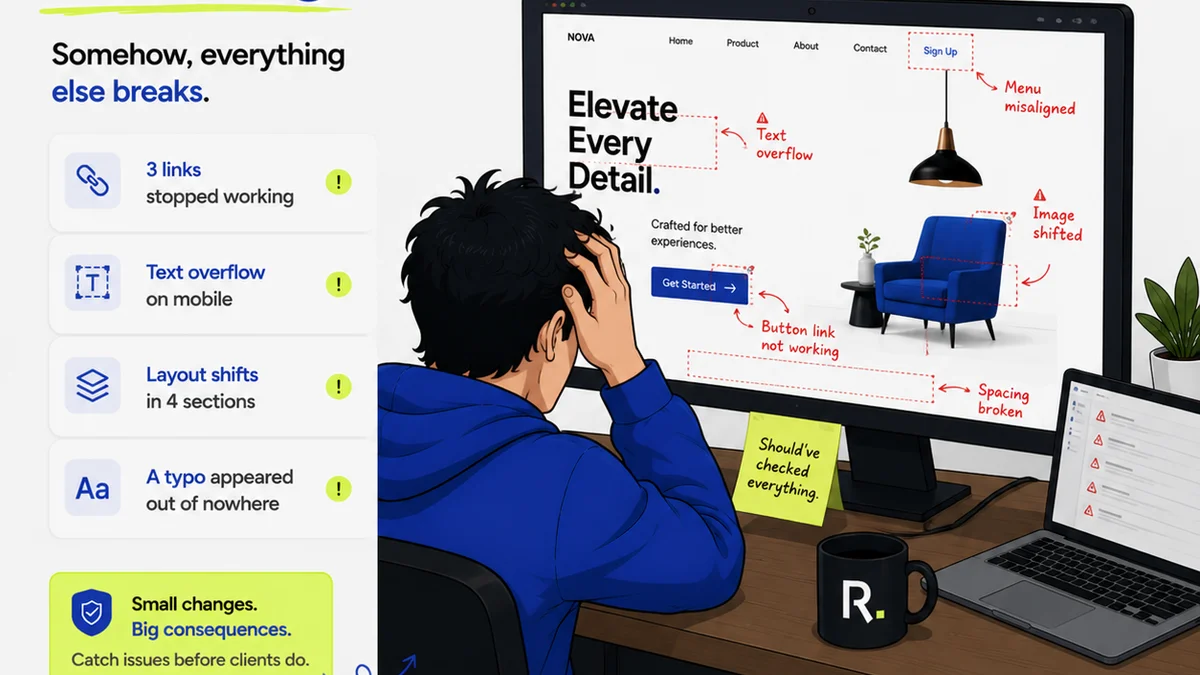
Everyone talks about the creative process. They imagine artists locked away, waiting for inspiration to strike like a bolt of lightning. The ‘Eureka!’ moment. The sudden flash of genius that solves everything.
None of that is wrong. But it’s incomplete.
The hard truth is that relying on spontaneous inspiration is a terrible business strategy. For agencies and in-house teams, creative output isn't a lottery win; it's a predictable, repeatable outcome. It's built on a robust process, not luck.
1. Deconstructing the 'Creative Process' Myth
The romanticized view of creativity ignores the messy, iterative, and often unglamorous work that actually gets projects done. It’s not about waiting for the muse; it’s about building a system that invites her in, and more importantly, lets you work even when she’s out.
This isn't about stifling creativity. It's about channeling it. It's about understanding that the 'magic' happens when disciplined execution meets inspired thinking.
The Real Bottlenecks
What actually slows down creative work?
- Unclear briefs
- Ambiguous feedback
- Endless revision cycles
- Lack of stakeholder alignment
- Poor communication
- Inefficient handoffs
These aren't creative problems; they are operational problems masquerading as creative ones.
2. The Stages of a Practical Creative Process
A functional creative process isn't a rigid set of rules, but a flexible framework. It guides your team from initial concept to final delivery, ensuring quality and efficiency.
Stage 1: Discovery & Strategy
This is where you understand the 'why' and 'what'. It’s about gathering information, defining objectives, and setting the strategic foundation for the creative work.
- Client Briefing: Deep dives, not surface-level chats. Understand their business, audience, and goals.
- Research: Market analysis, competitor review, audience insights. What’s the landscape?
- Strategy Development: Define the core message, target audience, and key performance indicators (KPIs).
- Scope Definition: Clearly outline deliverables, timelines, and budget.
A well-defined strategy prevents scope creep and ensures everyone is working towards the same goal.
Stage 2: Ideation & Concepting
This is the 'blue sky' thinking phase, but with guardrails. It's about exploring possibilities based on the strategy.
- Brainstorming: Divergent thinking. Generate as many ideas as possible, no matter how wild.
- Mood Boards & References: Visual exploration to establish tone and style.
- Concept Development: Refining promising ideas into tangible concepts.
- Internal Review: Gut checks and critical feedback from your team.
This stage requires psychological safety. Ideas must be shared without fear of immediate judgment.
Stage 3: Design & Development
This is where concepts take shape. It's the execution phase, translating ideas into tangible assets.
- Wireframing & Prototyping: For digital projects, mapping out user flow and structure.
- Visual Design: Applying aesthetics, branding, and user interface elements.
- Content Creation: Writing copy, sourcing imagery, developing video assets.
- Technical Implementation: For web or app development, coding and building.
Maintain consistent communication with stakeholders during this phase. Regular check-ins are crucial.
Stage 4: Feedback & Iteration
This is often the most challenging stage. It’s about refining the work based on constructive input.
- Presenting Concepts: Clearly articulate the rationale behind the design choices.
- Gathering Feedback: Systematically collect input from clients and internal stakeholders.
- Review & Prioritize: Evaluate feedback against the original brief and strategy. Not all feedback is created equal.
- Revisions: Implement agreed-upon changes efficiently.
This is where a clear feedback process saves lives. Ambiguous comments lead to wasted time.
Stage 5: Approval & Delivery
The final push. Ensuring everything is polished, signed off, and ready for launch.
- Final Review: Quality assurance, proofreading, and technical checks.
- Client Approval: Formal sign-off on the final deliverables.
- Asset Handoff: Organizing and delivering final files in the required formats.
- Project Archiving: Storing project assets and documentation for future reference.
A smooth approval process requires clear expectations set from the beginning.
3. Building a Resilient Creative Workflow
A great process isn't just about the stages; it's about the systems that support them. It’s about making the difficult parts manageable.
The Power of Structure
Structure provides clarity and predictability. It helps teams:
- Manage workload effectively
- Reduce errors and rework
- Ensure consistent quality
- Improve client satisfaction
- Foster team collaboration
Think of it as the scaffolding that supports your creative construction.
Common Pitfalls to Avoid
Where do creative processes often break down?
- Vague Briefs: Leading to guesswork and off-target work.
- Unstructured Feedback: Drowning in subjective opinions and conflicting requests.
- Scope Creep: Projects expanding beyond initial agreements without proper adjustments.
- Lack of Ownership: No clear accountability for tasks or decisions.
- Poor Communication Tools: Relying on scattered emails and chat messages.
These issues aren't minor annoyances; they erode profitability and team morale.
4. Where Revue Fits In
Managing the creative process, especially the feedback and revision loops, can be chaotic. This is where a centralized platform becomes invaluable.
Revue helps streamline the entire workflow by providing a single source of truth for creative assets and client communication.
- Centralized Feedback: Collect all client comments directly on the creative assets themselves. No more hunting through emails or chat logs.
- Revision Visibility: Track every change, comment, and approval. Understand the history of revisions at a glance.
- Streamlined Approvals: Clearly define who needs to approve what, and when. Reduce back-and-forth and get to sign-off faster.
- Quality Assurance: Ensure all necessary checks are completed before final delivery, minimizing post-launch issues.
By centralizing these critical touchpoints, Revue empowers your team to focus on creativity, not on managing the administrative overhead of the process.
5. Final Thought
The most successful creative teams don't just have talented individuals; they have robust, repeatable processes. They understand that creativity thrives not in a vacuum, but within a well-defined system.
Are you building a business that relies on the unpredictable magic of inspiration, or are you crafting a system that consistently delivers exceptional creative work?
Frequently asked questions
What is the most important stage of the creative process?
While all stages are crucial, the 'Discovery & Strategy' phase is arguably the most important. A clear, well-defined strategy ensures that all subsequent creative work is aligned with business objectives, preventing wasted effort and off-target results.
How can I get better feedback from clients?
Set clear expectations for feedback early on. Provide specific questions for clients to answer. Use a centralized tool like Revue to gather feedback directly on assets, which reduces ambiguity. Train clients on how to provide constructive, actionable feedback tied to the project brief.
How do I prevent scope creep in the creative process?
Clearly define project scope, deliverables, and timelines in the initial brief and contract. Implement a change order process for any requests that fall outside the original scope. Regularly communicate project status and potential impacts of new requests on timelines and budget.
Is the creative process the same for all types of creative work?
The core stages (Discovery, Ideation, Development, Feedback, Delivery) are universal, but the specific activities within each stage will vary. For example, a web design process will involve wireframing and prototyping, while a branding project might focus more on logo exploration and brand guidelines. The framework remains, but the tactics adapt.