Everyone thinks creative success in hospitality is about beautiful photography and aspirational lifestyle shots. That’s part of it, sure. But it’s a dangerously incomplete picture.
The hard truth? Hospitality creative needs to do more than look good. It needs to perform. It needs to be built on a process that’s as robust as the service you offer.
This isn't about chasing trends. It's about building a repeatable system that delivers on business goals, from attracting new guests to encouraging repeat visits.
1. Define the Business Objective First, Aesthetic Second
Too many creative briefs start with mood boards and end with a vague goal like “increase brand awareness.” That’s a recipe for pretty, but pointless, work.
In hospitality, every creative asset should serve a specific business objective. Are you trying to fill rooms during the shoulder season? Drive F&B revenue? Promote a new spa package? Increase direct bookings?
Be brutally specific. What does success look like?
Key Questions to Nail Down Objectives:
- What specific business metric are we trying to move?
- Who is the target audience for this specific campaign or asset?
- What is the desired guest action (e.g., book a room, reserve a table, sign up for a newsletter)?
- What is the budget and timeline?
- What are the non-negotiables (brand guidelines, legal disclaimers)?
This clarity acts as your filter. If a creative concept doesn't directly support a defined objective, it's a distraction, no matter how stunning it looks.
2. Understand Your Audience’s Journey (Not Just Their Wishlist)
Hospitality customers aren't monolithic. They move through distinct stages before, during, and after their stay. Your creative needs to speak to them at each touchpoint.
Think beyond the aspirational vacation photos. What information does a potential guest need when they’re comparing hotels? What reassurances do they need before booking? What post-stay content encourages loyalty?
Mapping the guest journey reveals the opportunities for targeted creative.
Touchpoints and Creative Needs:
- Awareness: Social media ads, influencer collaborations, PR placements. Focus on destination appeal and unique selling propositions.
- Consideration: Website imagery, virtual tours, detailed amenity descriptions, guest testimonials. Focus on tangible benefits and social proof.
- Decision: Clear calls-to-action, package details, booking engine integration, special offers. Focus on ease of booking and value.
- Experience: In-room materials, local guides, event promotions. Focus on enhancing the stay and local discovery.
- Post-Stay/Loyalty: Email newsletters, loyalty program offers, personalized follow-ups. Focus on relationship building and encouraging return visits.
Each stage requires a different creative approach. A stunning sunset shot might work for awareness, but it won't help someone understand your cancellation policy.
3. Embrace the Power of Practicality in Visuals
People book hotel rooms, not just vibes. While aesthetics are crucial, they must be grounded in reality.
Showcase the actual amenities. Highlight the comfort of the beds. Demonstrate the functionality of the workspace. If your restaurant is known for a specific dish, show it prepared and plated appealingly.
This doesn't mean abandoning artistry. It means balancing aspirational with tangible.
Consider the details that matter to a guest:
- Room layout and space
- Bathroom features and toiletries
- Views from the window
- On-site dining options and ambiance
- Accessibility features
- Proximity to local attractions
Authenticity builds trust. Overly polished, unrealistic imagery can create a disconnect between expectation and reality, leading to disappointment and negative reviews.
4. Streamline Feedback and Approvals for Agility
The hospitality industry moves fast. Last-minute events, seasonal promotions, and competitor actions demand quick creative turnarounds.
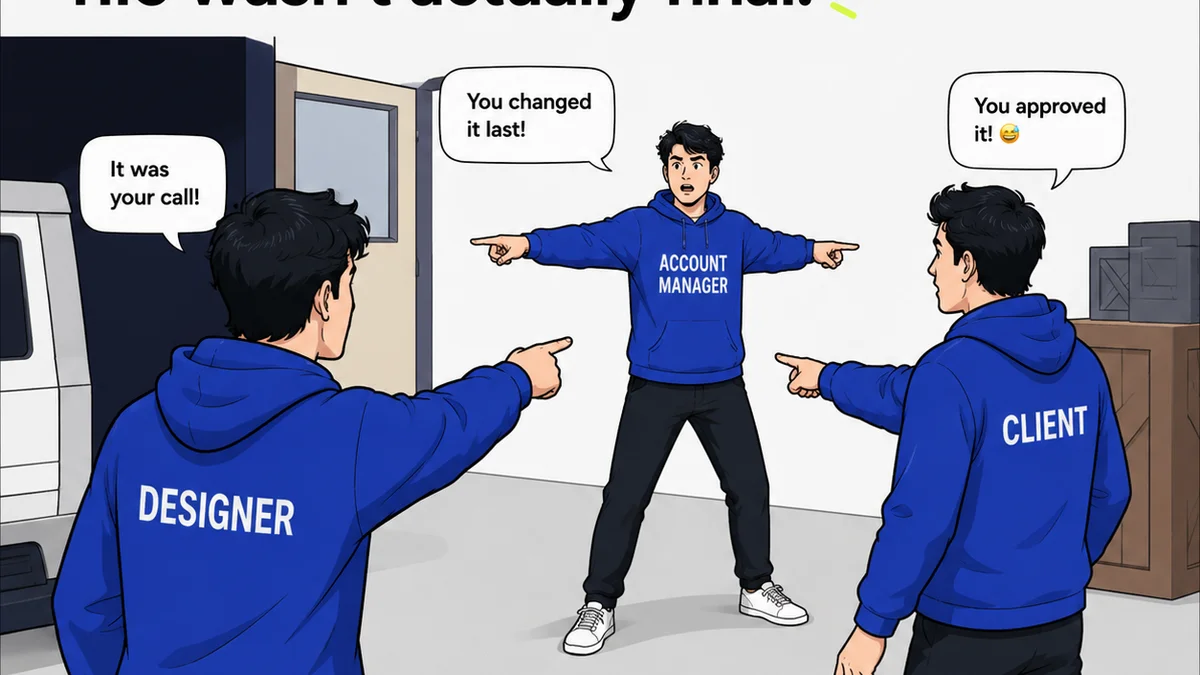
A clunky, email-chain-heavy feedback process is your enemy. It leads to missed comments, version control nightmares, and delays that cost money and opportunities.
You need a system that centralizes all communication and makes approvals clear and trackable.
Common Feedback Bottlenecks:
- Endless email threads with scattered feedback.
- Difficulty tracking which version is the latest.
- Unclear who has the final say on approvals.
- No central record of revisions or decisions.
- Misinterpretations leading to rework.
This friction slows down your entire operation. It impacts your ability to react to market changes or capitalize on spontaneous opportunities.
Where Revue Fits In
Revue is built to solve these exact workflow challenges for creative teams.
Instead of drowning in emails and spreadsheets, you can centralize all your creative assets and client feedback in one place. Visual annotations allow stakeholders to comment directly on images and videos, eliminating ambiguity.
Revision history is automatically tracked, providing a clear audit trail. Approval workflows ensure that the right people sign off at the right time, reducing bottlenecks and speeding up your time to market.
This level of clarity and control allows your team to be more agile, responsive, and ultimately, more effective in delivering creative that meets business objectives.
5. Measure, Learn, Iterate
Creative isn’t a “set it and forget it” endeavor, especially in a dynamic industry like hospitality.
Track the performance of your creative assets against the initial business objectives. Which campaigns drove the most bookings? Which visuals generated the highest engagement? What content led to the most positive reviews?
Use analytics to understand what resonates with your audience.
This data is gold. It informs your next creative brief, helping you refine your targeting, messaging, and visual style.
Key Metrics to Consider:
- Conversion rates (bookings, reservations)
- Website traffic and engagement
- Social media reach and interaction
- Direct booking vs. OTA bookings
- Guest satisfaction scores and reviews
- Return on Ad Spend (ROAS)
Treat your creative process as an ongoing experiment. Continuously test, learn, and optimize based on real-world results.
Final Thought
The most successful hospitality brands don't just sell rooms; they sell experiences. And those experiences are built, in part, by creative that is strategic, practical, and efficiently produced.
Are you treating your creative process as a critical business function, or just a necessary expense?
Frequently asked questions
What's the most common mistake hospitality brands make with their creative?
The most common mistake is focusing solely on aesthetics without clearly defining the underlying business objective. Pretty pictures are great, but if they don't drive bookings or achieve a specific goal, they're ineffective.
How can hospitality brands better understand their audience through creative?
Map the guest journey. Understand what information and reassurances a potential guest needs at each stage – from initial awareness to post-stay loyalty. Tailor creative assets to address these specific needs at every touchpoint.
Why is streamlining feedback crucial for hospitality creative?
The hospitality industry is fast-paced. Slow feedback and approval processes lead to missed opportunities, delays in launching promotions, and ultimately, lost revenue. Centralized feedback and clear approval workflows are essential for agility.
How can hospitality creative be measured for success?
Measure creative performance against the initial business objectives. Track metrics like conversion rates (bookings, reservations), website engagement, social media interaction, and guest satisfaction scores. Use this data to iterate and improve future creative.