Everyone talks about the creative process like it’s a mystical journey. You need inspiration, collaboration, a bit of magic. For retail brands, that’s not wrong. But it’s incomplete.
The hard truth is, a flawed creative process isn't just inefficient; it's actively costing retail brands sales, damaging brand perception, and eroding customer loyalty. The stakes are higher than you think.
1. The Myth of the Infinite Creative Well
Retail demands relentless content. New product launches, seasonal campaigns, social media drops, website updates, email newsletters – the list is endless. Many teams operate as if creativity is an inexhaustible resource, fueled by late nights and caffeine.
This assumption leads to burnout, rushed work, and ultimately, mediocre creative. It’s not sustainable.
The Operational Reality
A sustainable creative process requires structure, not just spontaneity. It means:
- Defining clear project scopes and realistic timelines.
- Building in time for strategic thinking, not just execution.
- Establishing efficient workflows that don't rely on heroics.
- Recognizing when to say
Frequently asked questions
What is the biggest creative process mistake retail brands make?
The biggest mistake is treating creativity as an inexhaustible resource. This leads to burnout, rushed work, and a lack of strategic depth, ultimately harming brand perception and sales.
How can retail brands improve their creative feedback process?
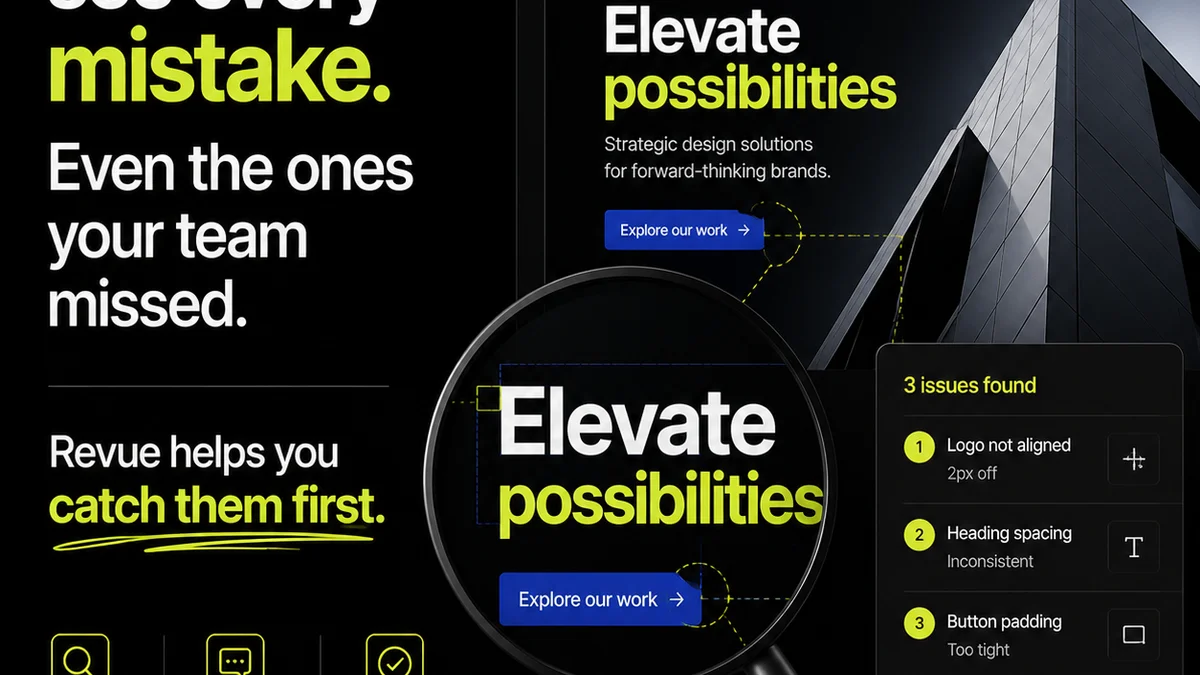
Centralize feedback in one platform, establish clear review stages with defined stakeholders, and use annotation tools for precise comments. This eliminates confusion and speeds up revisions.
Why is version control important for retail creative assets?
Poor version control leads to the wrong assets being used in campaigns, causing brand inconsistencies, wasted ad spend, and potential legal issues. A clear approval history is vital.
How does a streamlined creative workflow benefit a retail brand?
It ensures faster time-to-market for campaigns and products, reduces operational costs, minimizes errors, and frees up creative teams to focus on strategic, high-impact work rather than chasing approvals.