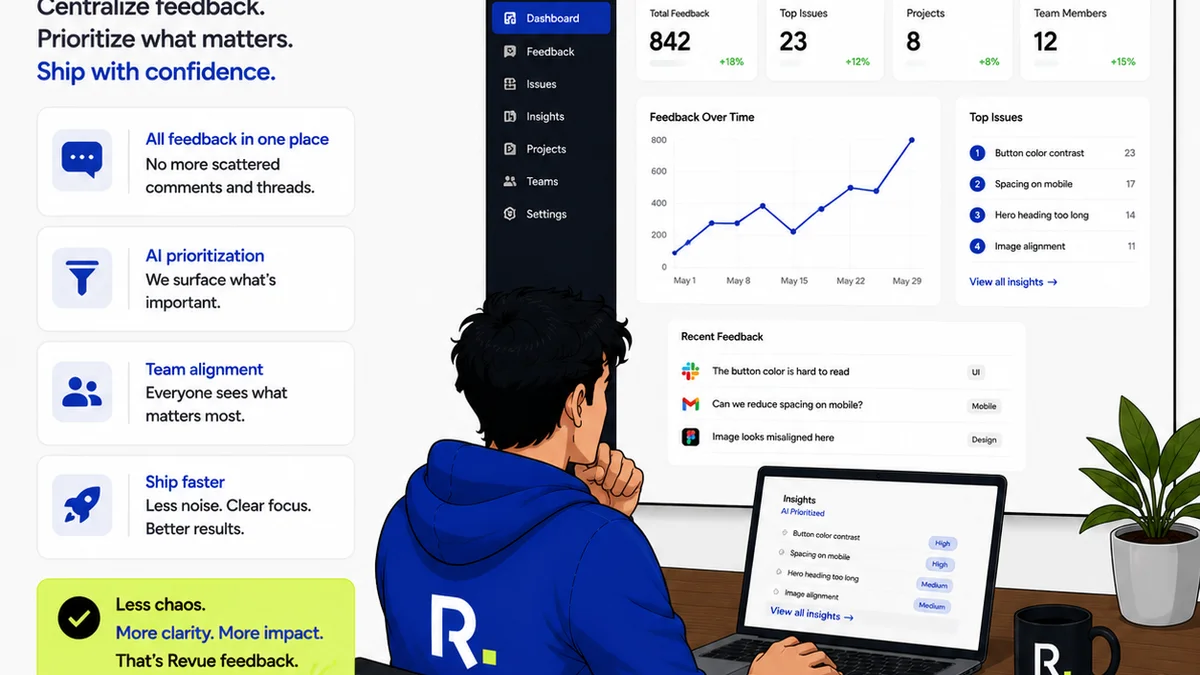
Everyone thinks creative production efficiency software is about faster workflows. About automation. About slick dashboards that tell you what you already know.
None of that is wrong. But it’s incomplete.
The real value isn't in the speed of the software. It's in the clarity it brings to your creative process. It’s about removing friction, not just adding speed.
The Hard Truth: It's About Control, Not Just Speed
Creative work is inherently messy. Clients change their minds. Stakeholders inject feedback late. Unexpected scope creep is the norm, not the exception.
Software that promises pure speed often breaks when confronted with this reality. It forces your process into its rigid structure, leading to workarounds, frustration, and ultimately, more inefficiency.
True creative production efficiency comes from having control over that mess. It means understanding where things are, who’s responsible, and what needs to happen next — without digging through endless email chains or Slack messages.
This is what you should demand from your production software. Not just features, but fundamental operational control.
1. Centralized Feedback: The Single Source of Truth
The biggest bottleneck in creative production isn't the design or copywriting itself. It’s the communication chaos surrounding client feedback.
Think about it:
- Feedback scattered across email threads.
- Verbal feedback given in meetings, never documented.
- Multiple versions of a file, each with different comments.
- Stakeholders giving conflicting input without realizing it.
This isn't just annoying; it’s a direct drain on time and resources. It leads to rework, missed deadlines, and unhappy clients who feel their input isn’t being heard or acted upon correctly.
The Problem with
Frequently asked questions
What is the primary goal of creative production efficiency software?
The primary goal is not just to speed up tasks, but to bring clarity and control to the creative process by centralizing feedback, managing revisions, and ensuring clear communication.
How does centralized feedback improve creative production?
Centralized feedback eliminates confusion and rework caused by scattered comments across emails and messages. It creates a single source of truth for all client input, ensuring everyone is working from the same, documented information.
What are the risks of relying solely on speed-focused software?
Speed-focused software can be rigid. When faced with the inherent messiness of creative projects (changing client minds, scope creep), it can lead to workarounds, frustration, and ultimately, more inefficiency because it doesn't handle exceptions well.
How can software help manage revisions and approvals effectively?
Effective software provides clear visibility into the revision history, tracks who approved what and when, and flags any potential bottlenecks in the approval process, preventing delays and ensuring accountability.