Everyone wants to be more productive. Especially in creative agencies and in-house teams, where deadlines loom and inspiration can be fickle. You’ve seen the articles: "5 Quick Tips to Boost Your Creative Output!" "Hack Your Workflow for Maximum Efficiency!" They promise magic bullets, quick fixes, and instant results.
None of that is wrong. But it’s incomplete.
The hard truth is that sustainable creative productivity isn’t about a handful of tricks. It’s about building a resilient system that supports your team’s best work, day in and day out. It’s about operational excellence, not just creative sprints.
1. The Myth of the Lone Genius
We love the idea of the solitary creative genius, locked away, emerging with a masterpiece. This romantic notion is a productivity killer.
Real creative work is collaborative. It involves feedback, iteration, and refinement. Relying on individual bursts of brilliance ignores the essential, messy, and often slow process of bringing complex ideas to life.
The Assumption: Productivity is an individual sport.
The Reality: Productivity is a team sport, heavily reliant on clear communication and structured processes.
The Bottlenecks You Can't See
When one person is the sole gatekeeper of an idea or a crucial piece of feedback, they become an unintentional bottleneck. This isn't about blame; it's about workflow design.
Consider these common friction points:
- Unclear ownership of tasks
- Delayed feedback loops
- Lack of centralized decision-making
- Information silos
- Manual handoffs between stages
These aren't just minor annoyances. They erode momentum, increase the risk of errors, and drain creative energy. The lone genius myth hides these systemic issues under the guise of individual output.
2. Feedback Isn't Free: The Cost of Ambiguity
Client feedback is essential. But it's also a frequent source of wasted time and frustration. "Make it pop more." "I don't love the blue." These vague directives are the enemy of efficient creative production.
The Assumption: Feedback is straightforward input.
The Reality: Unstructured, ambiguous feedback is a costly distraction that requires significant effort to decipher and implement correctly.
From Vague to Valuable
How do you turn subjective commentary into actionable direction?
It starts with process. You need a system for collecting, organizing, and acting on feedback. This means:
- Establishing clear feedback channels.
- Defining who provides feedback and when.
- Training stakeholders on how to give constructive, specific input.
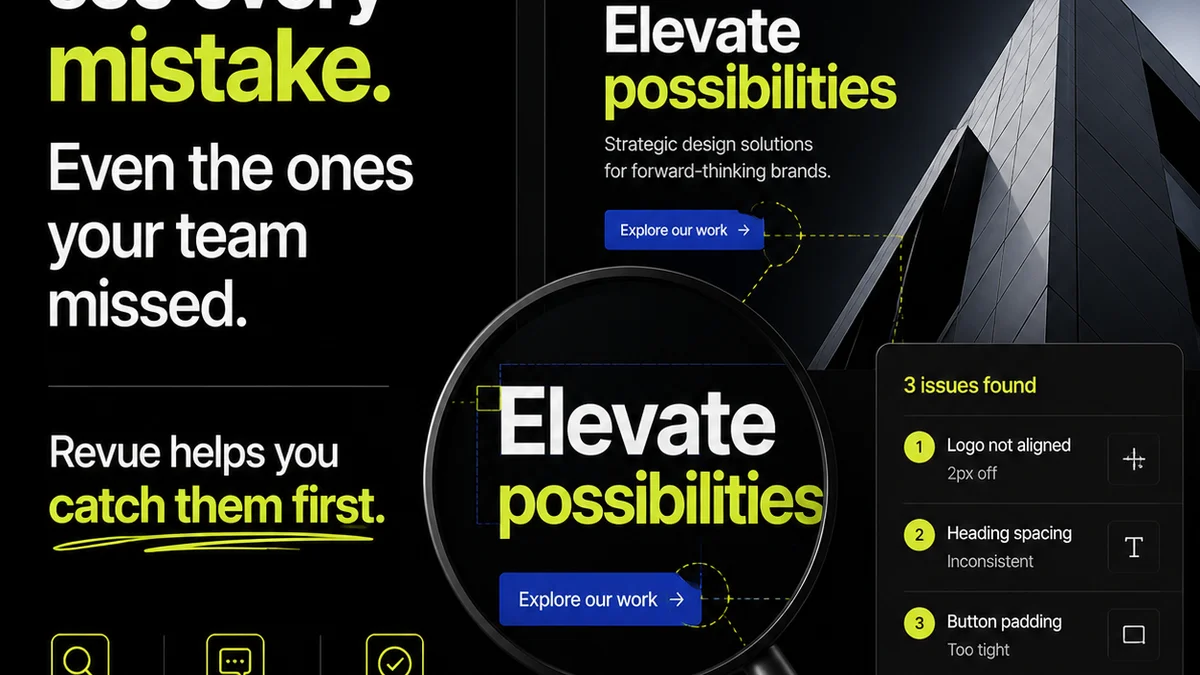
- Using tools that allow for contextual comments directly on the creative work.
Without this structure, feedback becomes a game of telephone, with meaning getting lost at each stage. The result? Endless revisions and a team that feels like they're constantly chasing a moving target.
3. Revision Hell: The Infinite Loop
Every agency owner and creative director knows the feeling. A project enters a seemingly endless cycle of revisions, each one pushing the deadline further out and draining profitability.
The Assumption: Revisions are a natural, manageable part of the process.
The Reality: Uncontrolled revisions are a symptom of deeper workflow problems, leading to scope creep and burnout.
Breaking the Cycle
What causes this
Frequently asked questions
What is the biggest misconception about creative productivity?
The biggest misconception is that creative productivity is about individual hacks or inspiration. In reality, sustainable productivity is built on robust, well-defined team workflows and operational systems.
How can I improve client feedback processes?
Improve client feedback by establishing clear channels, defining who provides input and when, and training stakeholders on giving specific, actionable comments. Use tools that enable contextual feedback directly on the creative asset.
What causes endless revision cycles in creative projects?
Endless revision cycles are often caused by a lack of clear project scope, ambiguous feedback, undefined approval processes, and poor communication. Addressing these workflow issues is key to breaking the cycle.
How can a team manage creative revisions more effectively?
Effective revision management involves setting clear revision limits, documenting all changes, ensuring feedback is consolidated and specific, and using a centralized platform to track progress and approvals. This prevents scope creep and maintains project momentum.