Everyone wants to be more productive. Especially creatives. The assumption is that productivity is about tools, tactics, and time management hacks. A shiny new app, a faster keyboard, a strict Pomodoro timer. None of that is wrong. But it’s incomplete.
The hard truth is that true creative productivity isn't about doing more, faster. It's about building a reliable, repeatable workflow that minimizes friction and maximizes creative output. It’s about the systems you put in place *before* the creative work even begins.
1. Define Your Creative Process (and Stick to It)
What does your ideal creative project lifecycle look like? From initial brief to final delivery, map it out. Don't just think about the big steps; break them down.
What are the key inputs at each stage? What are the expected outputs? Who is responsible for what? What are the decision points?
This isn't about rigid bureaucracy. It's about clarity. Knowing the path prevents getting lost on the way.
Discovery & Briefing
- Clear client brief intake form.
- Mandatory stakeholder interviews.
- Defined scope of work document.
Concepting & Ideation
- Dedicated brainstorming time (no interruptions).
- Mood board creation and sign-off.
- Initial concept presentation guidelines.
Design & Development
- Version control for all assets.
- Regular internal check-ins.
- Clear file naming conventions.
Feedback & Revisions
- Centralized feedback platform.
- Defined revision rounds (e.g., max 2 rounds).
- Time buffer for unexpected scope creep.
Approval & Delivery
- Final sign-off checklist.
- Organized asset delivery folder structure.
- Post-project debrief.
This level of detail might seem like overkill. It’s not. It’s the scaffolding that supports high-quality creative work, consistently.
2. Master Client Communication & Feedback Loops
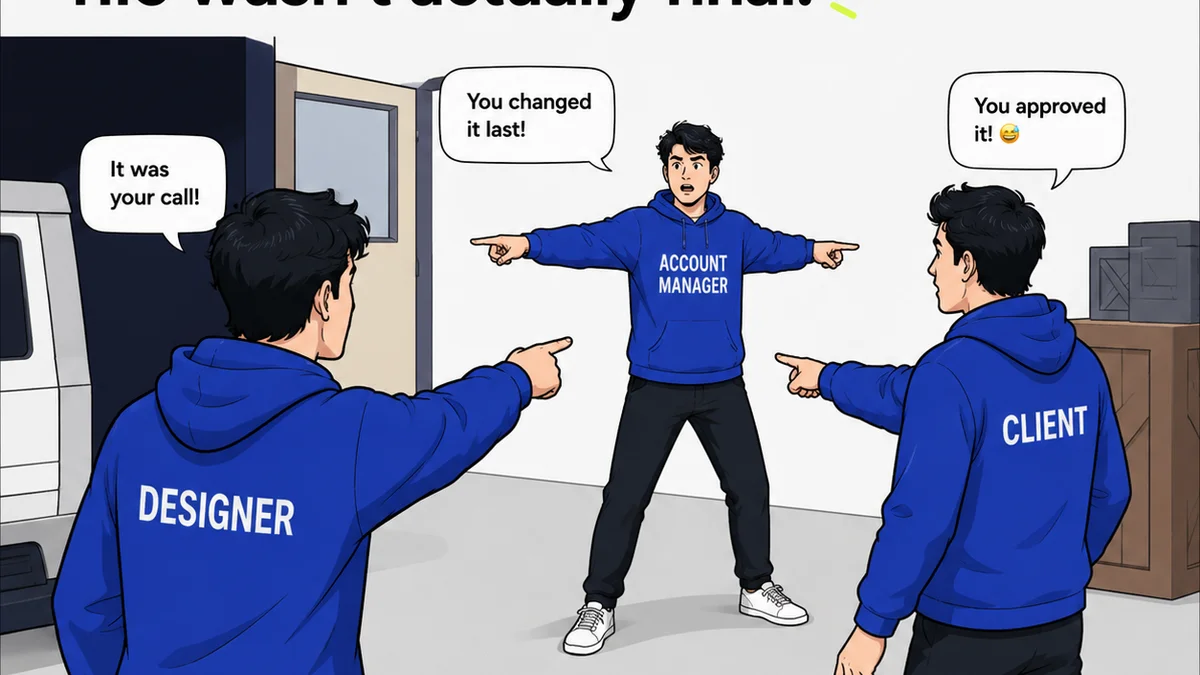
Miscommunication is the silent killer of creative projects. It leads to wasted time, endless revisions, and frustrated teams and clients. Your productivity checklist must address this head-on.
Clients don't always know what they want. And they often don't know how to articulate it. Your job is to create a system that guides them.
This means establishing clear expectations from day one. Define how feedback will be collected, who provides it, and how it will be actioned. Avoid the dreaded
Frequently asked questions
What is a creative productivity checklist?
A creative productivity checklist is a structured guide designed to streamline the creative process, from initial brief to final delivery. It outlines key steps, required inputs, and expected outputs to ensure efficiency, minimize errors, and maximize creative output.
Why is a defined creative process important for productivity?
A defined process provides clarity and predictability. It reduces ambiguity, ensures all necessary steps are considered, and helps teams avoid common pitfalls like scope creep or miscommunication, leading to more efficient and higher-quality work.
How can I improve client feedback loops for better productivity?
Improve feedback loops by establishing clear channels for communication, defining who provides feedback and when, setting limits on revision rounds, and using a centralized platform to consolidate comments. This prevents confusion and streamlines the revision process.
What are common productivity killers in creative agencies?
Common productivity killers include unclear briefs, poor communication, endless revision cycles, lack of clear roles and responsibilities, inefficient feedback mechanisms, and context switching. Addressing these systematically is key to boosting productivity.
How does a tool like Revue help with creative productivity?
Revue centralizes client feedback, manages revision and approval workflows, and helps maintain quality checks. By providing a single source of truth for all project communication and assets, it significantly reduces friction and saves valuable time.