Everyone talks about creative productivity as if it’s a mystical force. You either have it, or you don’t. It’s about waiting for the muse, staying up all night, fueled by caffeine and pure genius.
None of that is wrong. But it’s incomplete.
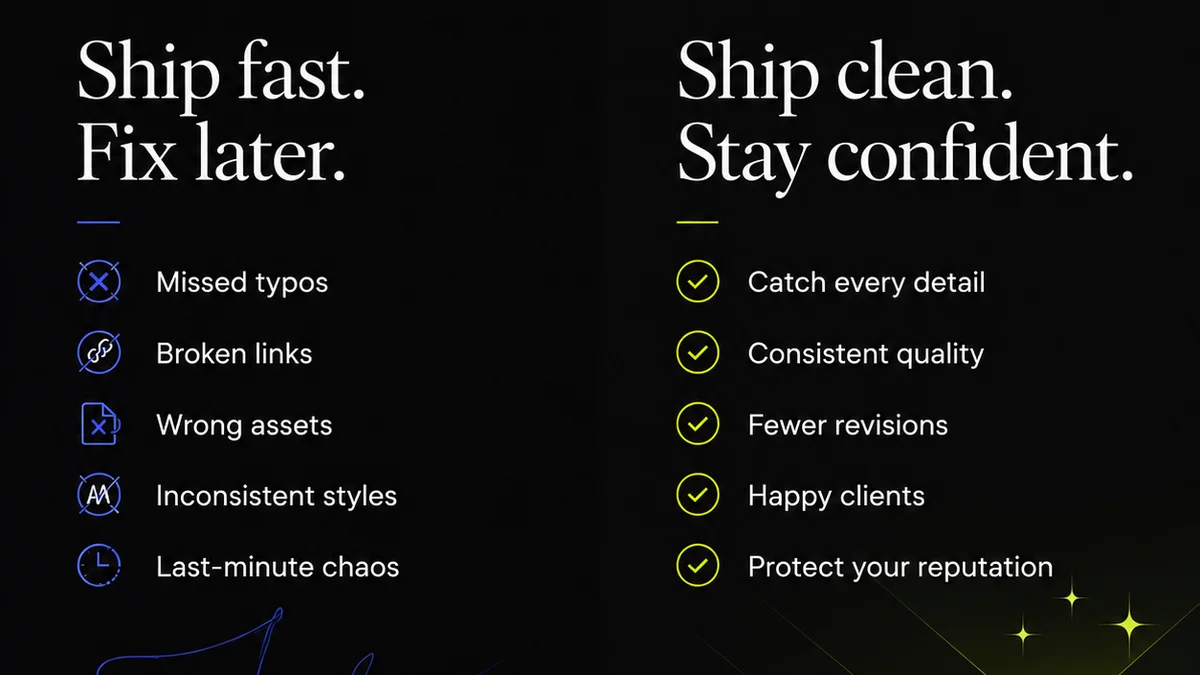
The hard truth is that true, sustainable creative productivity isn’t about luck or sporadic bursts of inspiration. It’s about building a robust workflow that supports your best work, consistently. It’s about systems, not just serendipity. Let’s break down how to build yours.
1. Define Your Creative Process
Before you can optimize anything, you need to understand what you’re optimizing. What does your creative process *actually* look like, from brief to final delivery?
Most creatives have a general idea, but few have mapped it out. This mapping reveals bottlenecks, redundancies, and points of friction you might not even realize exist.
Map Your Current Workflow
Grab a whiteboard, a notebook, or a digital tool. Start at the beginning: receiving a client brief. Follow every step:
- Brief analysis
- Research and ideation
- Concept development
- Internal review
- Client presentation
- Feedback incorporation
- Revision cycles
- Final approval
- Asset delivery
- Archiving
Be brutally honest. Where do things get stuck? Where is communication unclear? Where are you waiting on others, or others waiting on you?
Identify Your Personal Rhythms
When do you do your best creative thinking? Is it early morning? Late at night? Do you need deep focus blocks, or do you thrive on collaborative sprints? Understanding your personal energy cycles is key to scheduling your work effectively.
Don’t try to force yourself into a 9-to-5 creative mold if that’s not when your brain fires on all cylinders. Schedule your most demanding creative tasks during your peak hours.
2. Master the Art of Feedback
Client feedback is the lifeblood of agency work, but it’s often the biggest productivity killer. Unclear, contradictory, or excessive feedback can derail projects and drain creative energy.
The goal isn’t to eliminate feedback—it’s to manage it. Effectively.
Establish Clear Feedback Channels
Where does feedback live? Is it a chaotic email chain? A Slack thread? Scattered across sticky notes? This fragmentation leads to lost information and missed revisions.
Centralizing feedback is crucial. This means having one agreed-upon place where all client input is logged, discussed, and actioned. This single source of truth prevents misinterpretations and ensures nothing falls through the cracks.
Set Feedback Guidelines
Educate your clients on *how* to give feedback. Provide clear instructions on what constitutes actionable feedback. This might include:
- Requesting specific comments tied to project elements.
- Asking for consolidated feedback rather than piecemeal comments.
- Defining what constitutes a
Frequently asked questions
What is the biggest myth about creative productivity?
The biggest myth is that creative productivity is purely about inspiration or innate talent. While inspiration plays a role, true, sustainable productivity is built on structured workflows, efficient processes, and effective management of tasks and feedback.
How can I get better client feedback?
Establish clear feedback channels and guidelines. Centralize all feedback in one place, request consolidated input, and educate clients on providing specific, actionable comments tied to project elements. This reduces confusion and speeds up revisions.
What's the role of technology in creative productivity?
Technology, like centralized feedback and project management tools, is essential. It streamlines communication, provides a single source of truth for revisions, tracks progress, and automates tasks, freeing up creatives to focus on their core work.
How do I avoid burnout while trying to be more productive?
Prioritize your personal rhythms and energy cycles. Schedule demanding creative tasks during your peak hours and less intensive tasks during lower energy periods. Importantly, build in time for rest and creative recharge; productivity isn't about working non-stop, but working smarter.