Everyone talks about creative productivity. They’ll tell you to block out distractions, use time-tracking apps, or wake up earlier. None of that is wrong. But it’s incomplete.
The real truth about creative productivity for agencies and design teams isn't about individual hacks. It's about the messy, collaborative workflow. The bottlenecks aren't usually in your designers' heads; they're in your processes.
1. The Illusion of 'More Feedback'
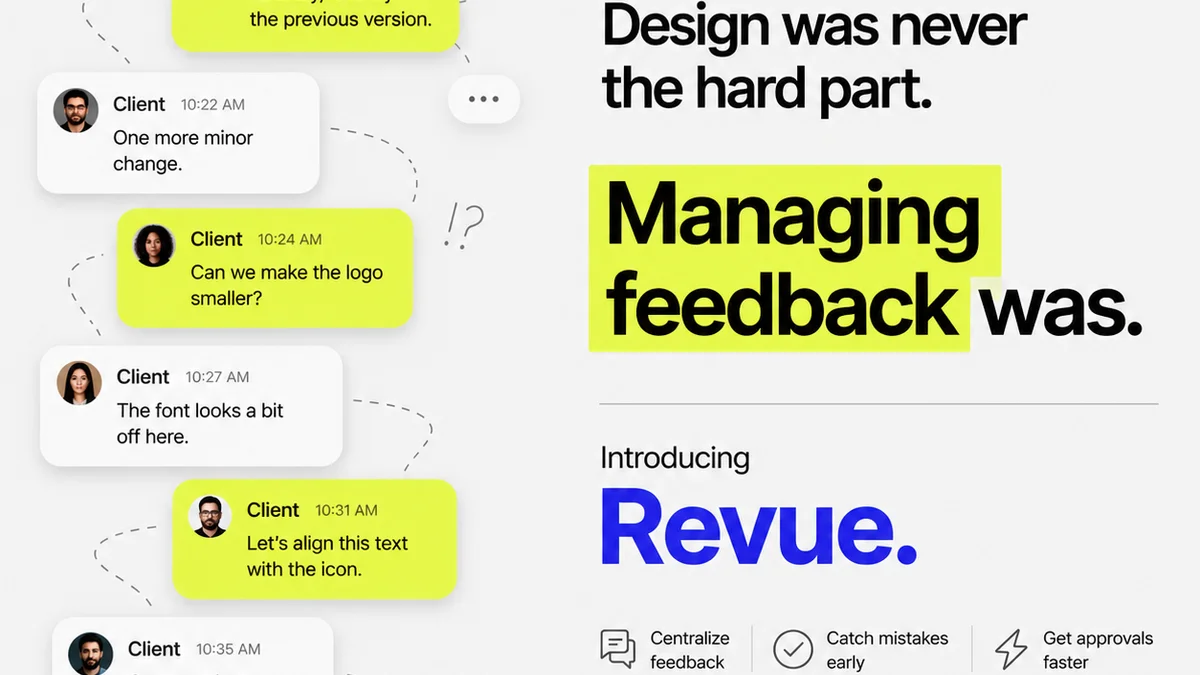
The assumption: More eyes on a project mean better creative. The reality: Unstructured, chaotic feedback is a productivity killer. It leads to endless revisions, scope creep, and demoralized teams.
When feedback is a free-for-all, it becomes subjective noise. Designers get conflicting directions. Stakeholders feel unheard, so they add *more* feedback. The cycle repeats, draining time and budget.
Symptoms of Feedback Chaos
- Endless rounds of revisions without clear direction.
- Designers spending more time deciphering vague comments than designing.
- Client frustration and delays due to unclear approval processes.
- Team members duplicating effort or working on outdated versions.
- A general feeling of
Frequently asked questions
What's the biggest mistake agencies make regarding creative productivity?
Focusing on individual hacks instead of optimizing collaborative workflows. Many teams try to fix productivity by asking individuals to work harder or smarter, ignoring the systemic issues in feedback, revision, and approval processes that actually cause the bottlenecks.
How does unstructured feedback harm productivity?
It creates confusion and endless revision cycles. When feedback is vague, conflicting, or lacks clear ownership, designers spend excessive time trying to interpret comments and make changes that don't align with project goals, leading to scope creep and delays.
What's the role of technology in creative productivity?
Technology, like Revue, can be a powerful tool for centralizing feedback, streamlining revisions, and providing clear approval workflows. It helps move from subjective chaos to objective process, saving time and reducing frustration for both the agency and the client.
How can I improve revision management in my agency?
Implement a structured process for collecting, organizing, and acting on feedback. Use tools that allow for clear annotation, version control, and approval tracking. Ensure feedback is consolidated, prioritized, and assigned to the right people, rather than scattered across emails and chats.