Everyone talks about boosting creative productivity. They point to tools, techniques, and the latest Silicon Valley wisdom. They say it’s about focus, deep work, and eliminating distractions.
None of that is wrong. But it’s incomplete.
The hard truth is that for modern creative teams, especially in agencies and in-house departments, true productivity isn't about making individuals faster. It’s about fixing the systemic friction that slows everyone down.
1. The Myth of Individual Output
The default approach to productivity often centers on the individual. How can *I* work faster? How can *I* be more focused? This mindset overlooks the collaborative nature of creative work.
Creative projects rarely live or die by a single person’s output. They are built, reviewed, revised, and approved by teams. They involve clients, stakeholders, and multiple departments.
Focusing solely on individual speed ignores the biggest time sinks:
- Waiting for feedback
- Chasing down lost files
- Unclear revision requests
- Endless, unproductive meetings
- Rework due to miscommunication
- Manual quality checks
If you’re waiting on someone else, your individual productivity is irrelevant. If feedback is unclear, you’ll waste time on the wrong thing. If approvals are a black hole, the project stalls. These are team-level problems.
2. Diagnosing Workflow Bottlenecks
Real creative productivity gains come from identifying and eliminating these workflow bottlenecks. It requires a critical look at how work actually flows, not how we wish it would.
Where does work get stuck? Where is information lost? Where do handoffs break down?
Common Bottleneck Areas
- Briefing: Vague briefs lead to wasted creative effort.
- Feedback Rounds: Unstructured, conflicting, or delayed feedback.
- Revisions: Ambiguous comments leading to incorrect changes.
- Approvals: Lack of clear ownership or processes for sign-off.
- Asset Management: Difficulty finding the latest versions or related files.
- Quality Assurance: Inconsistent checks or last-minute issues discovered too late.
Think about your last few projects. What were the most common points of delay? What caused the most frustration? Chances are, it wasn't someone not working hard enough. It was a process issue.
3. The Power of Centralized Information
Creative teams thrive on clear information. When project details, assets, feedback, and approvals are scattered across emails, chat threads, and cloud storage folders, chaos ensues.
This fragmentation forces team members to become detectives instead of creators. They spend valuable time hunting for context or the latest version of a file.
A centralized hub for all project-related information is crucial. This isn't just about file storage. It's about creating a single source of truth for:
- Project briefs and requirements
- Design assets and mockups
- Client and stakeholder feedback
- Revision history and status
- Final approvals and sign-offs
When everyone can access the same, up-to-date information, the need for constant back-and-forth is drastically reduced. This frees up mental energy and actual time.
4. Streamlining Feedback and Revisions
Feedback is essential, but it’s often the biggest productivity killer. Vague comments, conflicting opinions, and endless back-and-forth can derail even the most efficient individual.
The goal isn't to get *less* feedback, but to get *better*, more actionable feedback, and to manage the revision process efficiently.
Strategies for Better Feedback Loops
- Structured Feedback Forms: Guide reviewers to provide specific, actionable comments.
- Visual Annotation Tools: Allow feedback directly on the creative asset, eliminating ambiguity.
- Clear Feedback Ownership: Designate who is responsible for consolidating and prioritizing feedback.
- Version Control: Track changes and ensure everyone is working from the latest iteration.
- Defined Feedback Rounds: Set clear expectations for the number and scope of feedback cycles.
When feedback is clear, contextual, and manageable, creative teams can execute revisions faster and with greater accuracy. This dramatically reduces wasted effort and accelerates project timelines.
5. Visibility and Accountability in Approvals
Approvals are the gatekeepers of progress. Yet, they are often a black box. Who needs to approve? What are they approving against? When is it due?
A lack of transparency here leads to stalled projects and missed deadlines.
Implementing a clear approval workflow ensures accountability and provides visibility:
- Automated Notifications: Alert the right people when an item is ready for their review.
- Status Tracking: Clearly show who has approved, who is pending, and who has rejected.
- Audit Trails: Maintain a record of who approved what and when.
- Defined Approval Hierarchies: Ensure the right stakeholders are involved at the right stages.
When the approval process is visible and streamlined, bottlenecks are identified early, and projects move forward with confidence.
Where Revue Fits In
This is where tools designed for creative workflows make a difference. They aren't just about pretty interfaces; they solve these specific operational challenges.
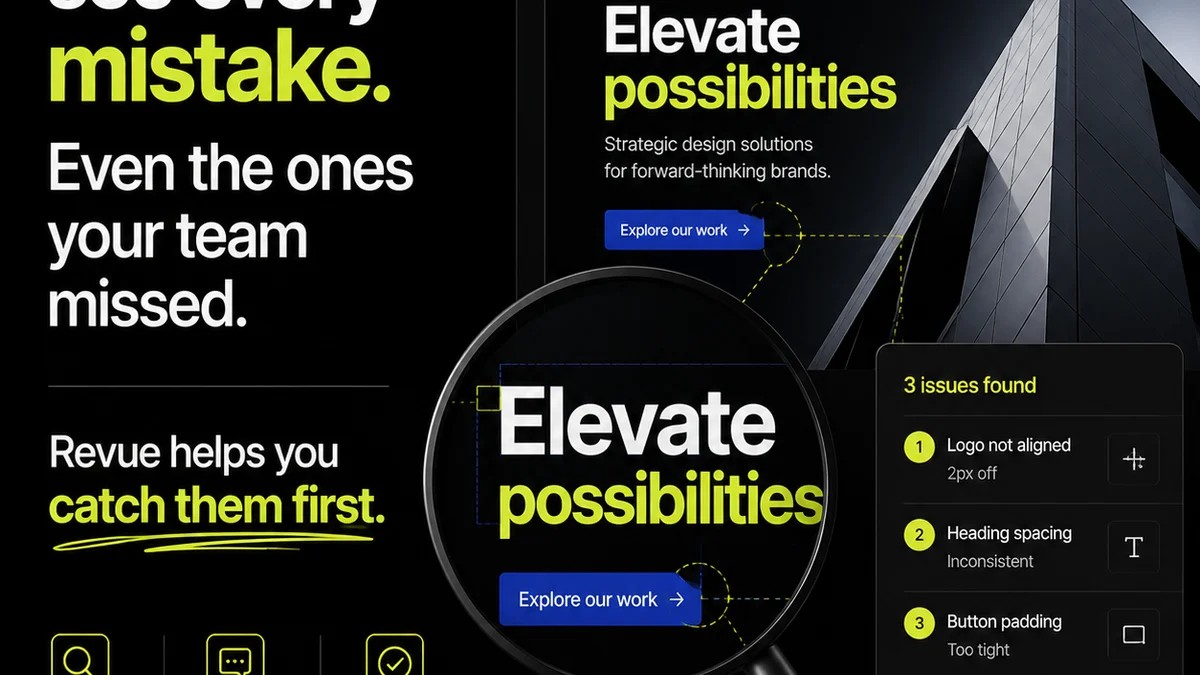
Revue provides a centralized platform specifically built for creative teams to manage the entire feedback, revision, and approval lifecycle.
- Centralized Feedback: Consolidate all client and stakeholder comments directly on your creative assets, eliminating scattered emails and chat messages.
- Revision Management: Track every version, see who made what changes, and ensure clarity on revision requests.
- Approval Visibility: Streamline sign-offs with clear status tracking, notifications, and audit trails, so you always know where a project stands.
- Quality Assurance: Integrate checks and balances into your workflow to catch issues before they become critical problems.
By bringing these elements together, Revue helps teams reduce friction, improve communication, and ultimately, boost their collective creative output.
Final Thought
Is your team truly struggling with individual focus, or are you battling systemic workflow friction? The answer dictates where you should invest your energy.
Stop optimizing for the individual and start optimizing the system. That’s where real creative productivity lies.
Frequently asked questions
What is the biggest misconception about creative productivity?
The biggest misconception is that creative productivity is solely about individual output and focus. While important, it often overlooks the systemic workflow bottlenecks that slow down entire teams, such as inefficient feedback loops, unclear revision requests, and scattered communication.
How can creative teams identify workflow bottlenecks?
Creative teams can identify bottlenecks by analyzing where projects consistently get stuck or cause the most frustration. Common areas include the briefing process, feedback rounds, revision execution, approval stages, asset management, and quality assurance. Asking 'Where does work get stuck?' is a good starting point.
Why is centralized information important for creative teams?
Centralized information creates a single source of truth for project briefs, assets, feedback, and approvals. This eliminates the time wasted hunting for context or the latest file versions, reduces miscommunication, and allows team members to focus on creative tasks rather than administrative detective work.
How can feedback and revisions be managed more effectively?
Effective management involves getting better, more actionable feedback and streamlining the revision process. This can be achieved through structured feedback forms, visual annotation tools, clear feedback ownership, robust version control, and defined feedback rounds to minimize ambiguity and rework.